
Sukari’s gold mine runs beside a 3,000-year-old Egyptian mining camp
Its workshops trace how gold-bearing rock was processed across successive eras, while the modern mine remains in production.
en.wikipedia.org
Why it matters: The settlement preserves evidence of ancient gold processing and daily life beside a mine that is still operating.
More than 3,000 years — age of the mining settlement
Two years — time spent excavating, studying and restoring the remains
3 kilometres — distance the ancient structures were moved north to protect them
628 ostraca — inscribed pottery fragments recovered at the site
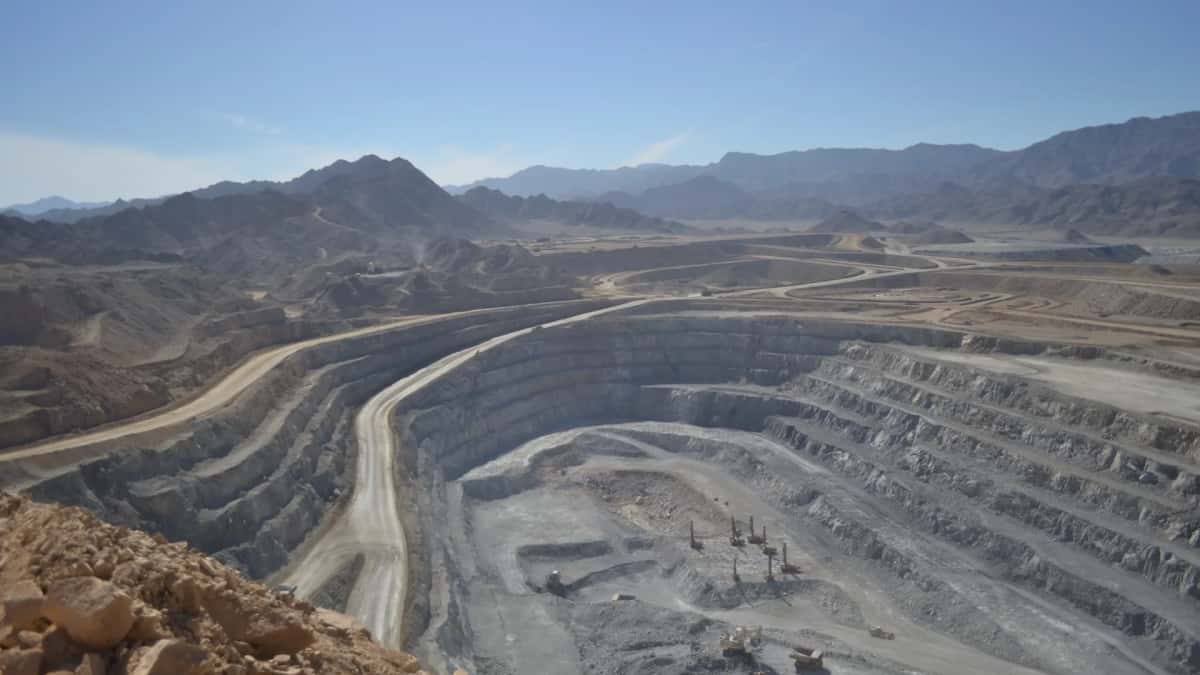
Archaeologists working beside the operating Sukari gold mine in Egypt’s Eastern Desert have identified a mining settlement more than 3,000 years old, with workshops, processing areas and workers’ homes. The Ministry of Tourism and Antiquities announced the find on February 25, 2025, as part of a project led by the Supreme Council of Antiquities. Because modern mining continues at Sukari, the ancient structures were moved about three kilometres north for protection.
Workshops document ancient gold processing
The settlement offers evidence of both mineral treatment and everyday life, rather than only a record of extraction. During Egypt’s Third Intermediate Period, dated from 1069 to 664 BC, workers processed gold-bearing rock by crushing and grinding it, then washing and filtering the material in shallow basins. The described process ended with heating the gold in clay furnaces fuelled by charcoal.
The site’s use extended beyond that period. Archaeologists also found Ptolemaic-era temples, administrative buildings and baths, along with remains from Roman and Islamic periods. The range of structures points to activity at the settlement across multiple phases of Egyptian history.
Inscriptions and objects add detail to the record
Among the finds are 628 ostraca—pottery fragments bearing hieroglyphic, Demotic and Greek inscriptions. The team also recovered Ptolemaic bronze coins, small terracotta figures of people and animals, and stone representations of the deities Bastet and Harpocrates.
Other objects include five Ptolemaic offering tables, precious-stone beads and mother-of-pearl ornaments. Mohamed Ismaïl Khaled, secretary-general of the Supreme Council of Antiquities, said the materials could help researchers investigate the working lives, everyday practices and religious beliefs of mining communities over time.
A 2.5-hectare reconstruction is proposed
The project proposes recreating the settlement across 2.5 hectares, with visitor access and displays about the archaeological work and the site’s history. The announcement did not give an opening date or specify how far reconstruction has progressed. The relocated structures, meanwhile, preserve remains that had to be moved to make way for the continuing modern mine.
More in Resources
Chile's hypothetical copper mine could lift regional GDP, but exploration lacks public funding
The model starts with a deposit that has not been found, while Chile already distributes copper royalty revenue.
Red Metal’s Farellon lifts ENAMI shipments, but has no resource estimate
Level 9 is driving recent deliveries, but assays and final settlement for November’s lots remain outstanding.
Satellite Miner tracks Argentina’s Hombre Muerto salt flat, but not its land disputes
In Catamarca’s producing lithium basin, open radar data is being adapted for a new kind of territorial monitoring.