
Sudan’s Mridan gold mine faces water-safety scrutiny after 62 livestock die
An open pond at the Talodi site was reportedly left untreated after operations were suspended, while nearby reservoirs supply the town.
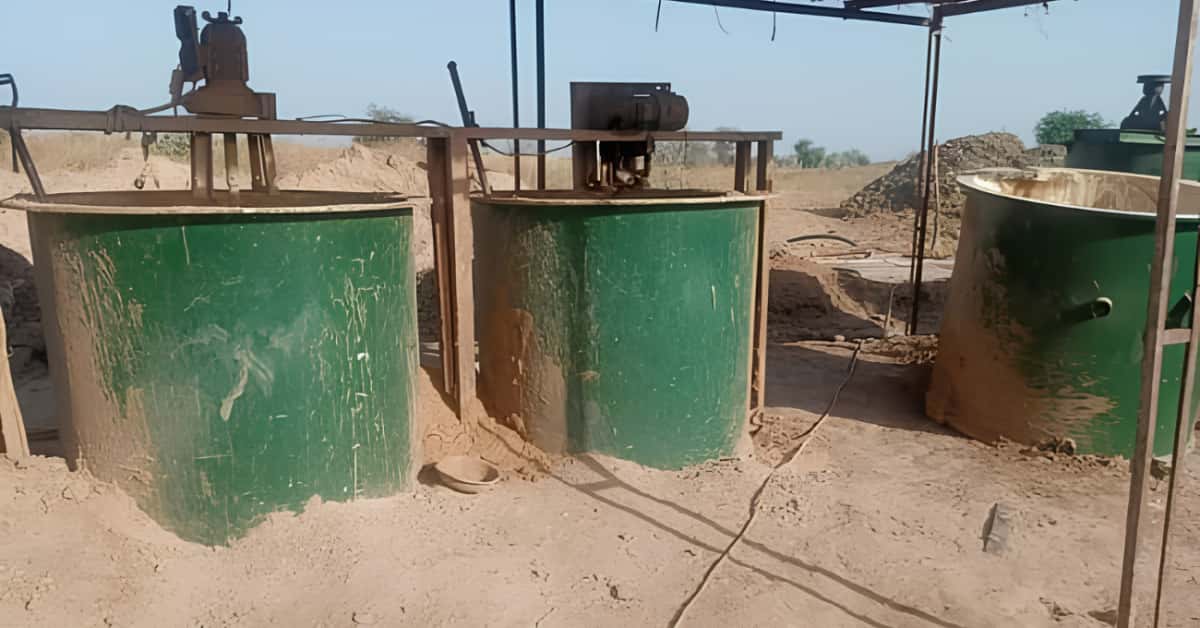
Why it matters: The incident raises an immediate water-quality risk near Talodi, where residents rely on reservoirs that activists fear could be exposed to mine chemicals.
62 sheep and goats — died after drinking from a pond at the Mridan mine, according to HUDO Centre.
About 30 kilometres — the mine’s approximate distance southeast of Talodi town.
150 million Sudanese pounds — the fine imposed on the pond operator, equivalent to US$15,000.
The deaths of 62 sheep and goats after they drank from a pond at the Mridan gold mine in Talodi, South Kordofan, have prompted calls for an investigation and urgent testing of water sources serving the town. The HUDO Centre attributed the deaths to the pond water, but no test results confirming contamination were reported.
The animals belonged to Ismail Hussein Hamed, who filed a formal complaint with Talodi police and the Sudanese Mineral Resources Company after the incident on November 7. HUDO Centre said both institutions had been notified but had not taken decisive action.
HUDO Centre says the pond was left open
The mine, also known as Bashair, is about 30 kilometres southeast of Talodi. HUDO Centre said cyanide, mercury and thiourea are used in mixing facilities and open ponds at the site to recover gold, and alleged that chemicals had been used without meeting environmental and safety requirements.
According to the local mining committee, the Sudanese Mineral Resources Company suspended the pond operator’s activities in September 2026 for breaching mining rules and imposed a fine of 150 million Sudanese pounds, equivalent to US$15,000. The operator later handed the site to the company.
HUDO Centre said the pond remained open after the handover, without water treatment or environmental safety measures. It held the company responsible for site safety after it took control and called for rehabilitation of the area and removal of contaminated ponds. The organisation’s account of the pond’s condition and chemical use has not been accompanied by publicly reported test results.
Activists seek tests of Talodi’s water sources
The concern extends beyond the livestock deaths. Activists in Talodi told HUDO Centre they feared toxic substances could reach nearby reservoirs, which are an important water source for the town. HUDO Centre urged health authorities to test local water sources urgently and publish the findings.
The organisation also called on local authorities to investigate the deaths, disclose the results and compensate Hamed. It asked the governor of South Kordofan to enforce rules governing the use of cyanide, mercury and thiourea at mining operations in the state.
HUDO Centre cited an earlier livestock incident near Talodi in January 2025, when five cattle and 15 goats died after drinking contaminated water, according to the organisation. It said pond operators reached financial settlements with affected owners in both cases, while authorities and local administrations did not intervene. The requested water testing and publication of results would establish whether the reservoirs near Talodi have been affected.
More in Resources
Chile's hypothetical copper mine could lift regional GDP, but exploration lacks public funding
The model starts with a deposit that has not been found, while Chile already distributes copper royalty revenue.
Red Metal’s Farellon lifts ENAMI shipments, but has no resource estimate
Level 9 is driving recent deliveries, but assays and final settlement for November’s lots remain outstanding.
Satellite Miner tracks Argentina’s Hombre Muerto salt flat, but not its land disputes
In Catamarca’s producing lithium basin, open radar data is being adapted for a new kind of territorial monitoring.