
Marimaca gets Sprott approval for up to US$450m, but MOD still awaits FID
The proposed package could fund construction of the Antofagasta oxide deposit, but legal review and final agreements remain outstanding.
cruxinvestor.com
Why it matters: The proposal could provide construction capital for Marimaca's oxide project, but committee approval is not a financing close or a decision to build.
Up to US$450 million — proposed package combining debt and equity.
US$425 million — maximum proposed senior secured loan.
US$100 million — first draw, conditional on FID and other requirements.
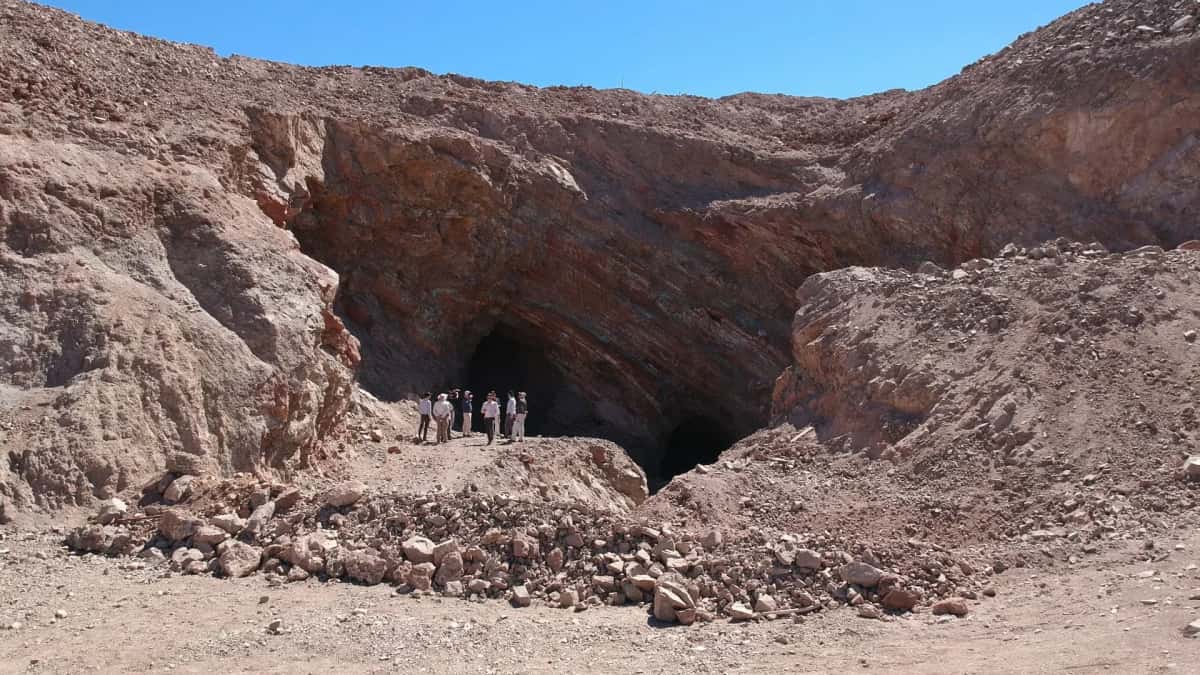
Marimaca Copper has received approval from Sprott Resource Lending’s investment committee for a proposed financing package of up to US$450 million to build its Marimaca Oxide Deposit (MOD) project in Chile’s Antofagasta Region. The proposal comprises up to US$425 million in debt and up to US$25 million in equity, but remains subject to Sprott’s legal and financial review and the signing of definitive agreements. It does not constitute a financing close or a construction decision.
The financing would be channelled through Compañía Minera Cielo Azul, a Marimaca subsidiary. The first proposed draw, for US$100 million, would require the company to make a final investment decision (FID) and meet the transaction’s other conditions.
Proposed loan terms include no copper-price hedging
The term sheet provides for a senior secured loan with a seven-and-a-half-year tenor. Proceeds could fund construction and commissioning of the oxide deposit, working capital, financing costs and other corporate needs associated with the project.
The proposed interest rate is variable: 5.75% a year plus the greater of the SOFR rate and 2.75%. Marimaca could capitalise up to 85% of interest during the loan’s availability period. Principal repayments would begin on March 31, 2031.
The proposed structure would not require copper-price hedging and would not include production-linked payments. Those provisions remain part of a financing proposal, however, and are subject to final documentation.
Final agreements and FID remain outstanding
The committee’s approval advances negotiations but does not make funds available for construction. Sprott must complete its legal and financial due diligence, after which both parties would need to execute definitive agreements. The first US$100 million disbursement would also depend on Marimaca’s FID and satisfaction of the applicable conditions.
The development follows Marimaca’s selection of a preferred lender in October 2026 to negotiate a loan initially described at US$375 million to US$400 million. The current proposal outlines a larger package, including the potential equity investment, but the financing terms have not yet been finalised.
Pampa Medina excluded from proposed security package
The proposed security package would exclude Pampa Medina, Marimaca’s copper project about 30 kilometres from MOD. That separation would leave the company able to advance exploration and development work there independently of the proposed oxide-project financing.
Marimaca has reported that drilling at Pampa Medina identified extensions of copper oxide mineralisation and high-grade copper sulphides at depth. The project remains under evaluation and is not among the stated uses of the proposed MOD financing. Marimaca reported the Sprott committee approval on November 25, 2026; the next steps are completion of Sprott’s review and negotiation of definitive agreements, with the initial draw also dependent on an FID.
More in Resources
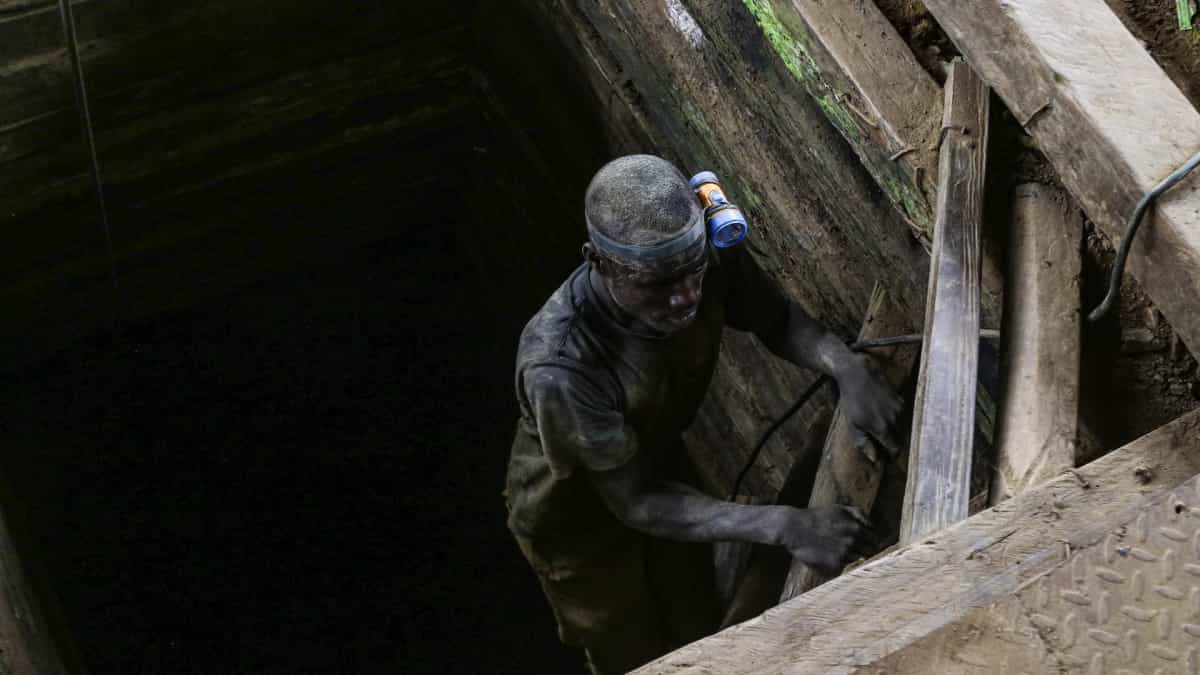
Kenya gold-mine collapses kill three as Kakamega rescue search continues
The Kwirenyi shaft’s cause remains unknown, and police had not confirmed how many miners could still be underground.

Chile–Minas Gerais trade chamber targets mining links, but access terms remain unclear
Trade already moves in both directions, giving the new platform an existing commercial base to build on.

DELPRO adds AI to mining CAPEX control, targeting the monthly reporting gap
On mining investment projects, monthly reports can leave owners looking backward while cost and schedule changes continue on site.