
Kenya gold-mine collapses kill three as Kakamega rescue search continues
The Kwirenyi shaft’s cause remains unknown, and police had not confirmed how many miners could still be underground.
trtafrika.com
Why it matters: The deaths highlight the immediate safety risks at small-scale gold workings, while the number of people potentially trapped at Kwirenyi remained unknown.
3 miners — bodies recovered across the two incidents
2 incidents — reported in West Pokot and Kakamega on 23 November 2026
13:30 — approximate time police received the Kwirenyi collapse alert
16:16 — approximate time residents reported the Kambi Karaya burial
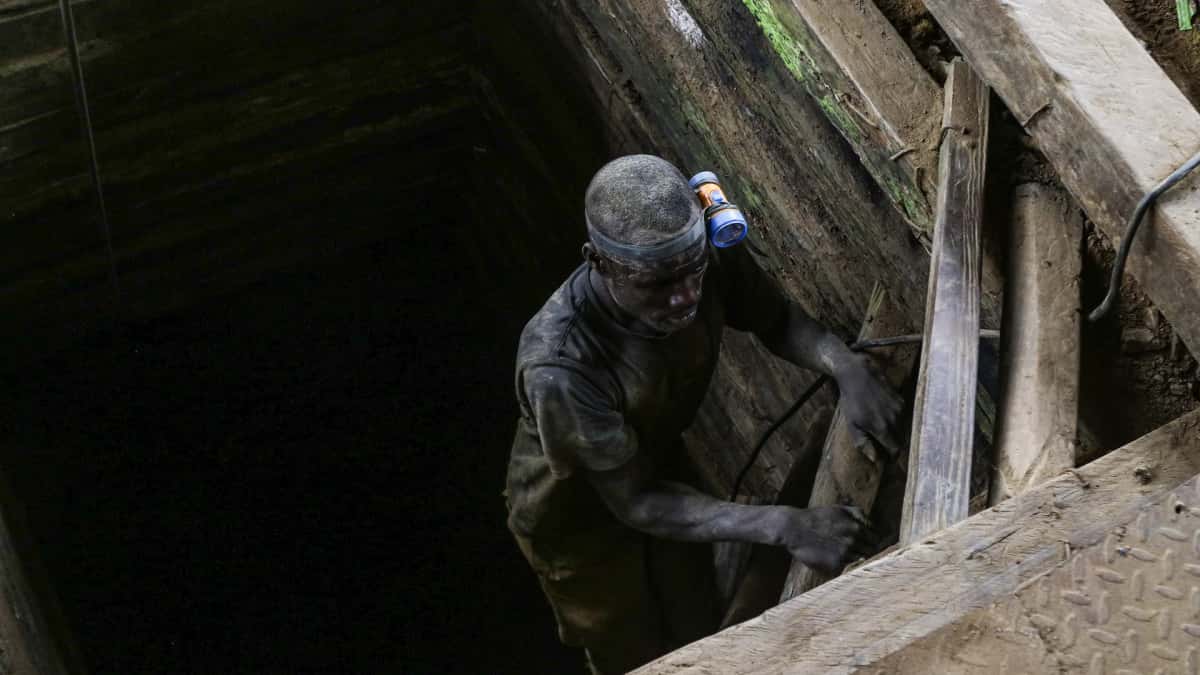
Three miners died in separate gold-mine collapses in Kenya’s West Pokot and Kakamega counties on 23 November 2026. Two men were buried by loose earth at Kambi Karaya, while a third body was recovered after a mine shaft collapsed at Kwirenyi; rescue work continued there to establish whether others were trapped.
Two miners recovered at Kambi Karaya
The first incident was reported in Kambi Karaya, in Pokot Central, West Pokot. Residents alerted police at about 16:16 that two miners might have been buried by loose earth at the workings. Police coordinated the arrival of an excavator, and both bodies were recovered after the machinery reached the site.
The dead were identified as Charles Riongo, about 38, from Sebit, and Enos Ngorialima, approximately 52, from the Sigor area. Their bodies were taken to Kapenguria Level Five Hospital mortuary pending post-mortem examinations.
The report said the deaths followed other fatal collapses in the Kambi Karaya area in recent months, but did not give dates or a count for those earlier incidents.
Kwirenyi rescue work continued
In Kwirenyi, in Kakamega East subcounty, police received a phone alert at about 13:30 that a gold mine had collapsed. Officers and community members went to the site and began rescue work amid the possibility that several miners were underground.
Rescuers recovered the body of Nixon Mbai, 30, which was taken to St. Elizabeth Mission Hospital for preservation. At the time of the report, crews were still checking whether anyone else remained beneath the collapsed shaft. Authorities had not confirmed how many miners might have been inside, and the cause of the collapse had not been established.
More in Resources

Chile–Minas Gerais trade chamber targets mining links, but access terms remain unclear
Trade already moves in both directions, giving the new platform an existing commercial base to build on.

DELPRO adds AI to mining CAPEX control, targeting the monthly reporting gap
On mining investment projects, monthly reports can leave owners looking backward while cost and schedule changes continue on site.
Chile's hypothetical copper mine could lift regional GDP, but exploration lacks public funding
The model starts with a deposit that has not been found, while Chile already distributes copper royalty revenue.