
Macleod sees gold at US$8,000 as Fed faces a dollar-versus-stability choice
The six-month call collides with expectations of another rate rise and a market Macleod says could face indiscriminate selling.
Why it matters: Macleod’s forecast puts currency risk, rather than bullion demand, at the centre of his case for gold.
US$8,000 per ounce — Macleod’s projected gold price.
Six months — the horizon he gives for that scenario.
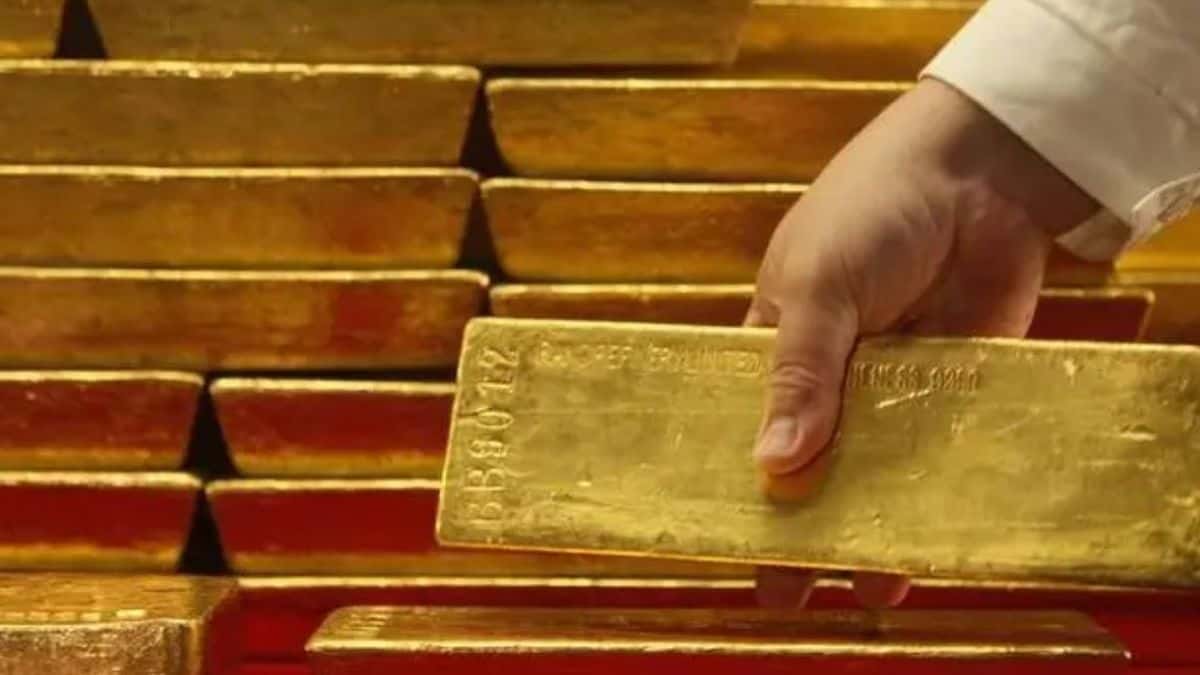
Alasdair Macleod says gold could reach US$8,000 per ounce within six months, arguing that such a move would chiefly reflect a sharp loss in the US dollar’s value. The economist and financial commentator’s projection is not a market consensus or an observed outcome; it comes as investors weigh expectations of another Federal Reserve rate increase against concerns about US liquidity and asset markets.
The forecast rests on a dollar-depreciation thesis
Macleod argues that describing a rise to US$8,000 as a gain in gold misses what he sees as the central change: the currency used to price the metal would have lost purchasing power. His view challenges the conventional focus on interest rates and gold’s opportunity cost relative to assets that generate income.
In Macleod’s framework, the question is not only whether interest-bearing assets become more attractive when rates rise. It is also whether gold can preserve wealth if confidence in the currency weakens. The available information does not set out a valuation model, quantitative assumptions or probabilities for the six-month scenario. The price level should therefore be read as Macleod’s outlook, not as a quantified consensus forecast.
Macleod warns of indiscriminate asset sales
Macleod focuses his risk assessment on the United States, where he says investors hold little gold as equities approach what he describes as an uncomfortable bear market. He warns that a contraction in liquidity could trigger broad selling, with investors disposing of assets without distinguishing between their underlying fundamentals.
His proposed response is to reduce exposure to credit and move into physical gold. That is his investment position, rather than a recommendation supported here by portfolio or fund-flow data. The material does not quantify US investors’ gold holdings or measure the scale of any potential liquidity shortfall.
The distinction matters to his argument: if assets are sold broadly to meet liquidity needs, gold could also face selling pressure in the near term, even as Macleod sees it as a store of value against monetary depreciation. He does not provide a timetable for when the advance might resume.
Fed policy puts the dollar and financial system in tension
Macleod says the Fed faces a choice over what to protect: the dollar or the financial system. In his view, policymakers would take steps to support the economy and markets, potentially giving greater weight to financial stability than to defending the currency.
He also warns that central-bank action to ease liquidity pressure could weaken confidence in the dollar. His claim that the currency is already losing value—and could face a more severe loss of confidence if that becomes widely recognised—is a risk scenario, not an established outcome. Expectations of another rate rise add to the tension in his outlook, but he does not specify how the Fed’s next decision would affect the timing or likelihood of his gold-price projection.
More in Resources
Copper hits an 11-month low as tariff and rate fears spread across metals
US inflation and new tariff news met falling equities, reviving bets on higher rates as investors cut risk exposure.
Ora Banda targets 300,000 ounces at Davyhurst as a new plant takes shape
Riverina and Sand King are supplying the current base, but the next production step rests on mines still being developed.

Arminera 2027 eyes a supplier-meeting record, but leaves its target unquantified
The business round returns across all three days as the Buenos Aires exhibition adds space at La Rural.