
ITT adds 285-psi Fabri-Valve for mining slurries, but key specs are absent
The valve targets slurries with larger particles, but ITT has not disclosed the particle-size range it can handle.
engvalves.com
Why it matters: The PTB adds a high-pressure option for coarse-particle slurry service, but the disclosed specifications are too limited to assess its fit for particular processes.
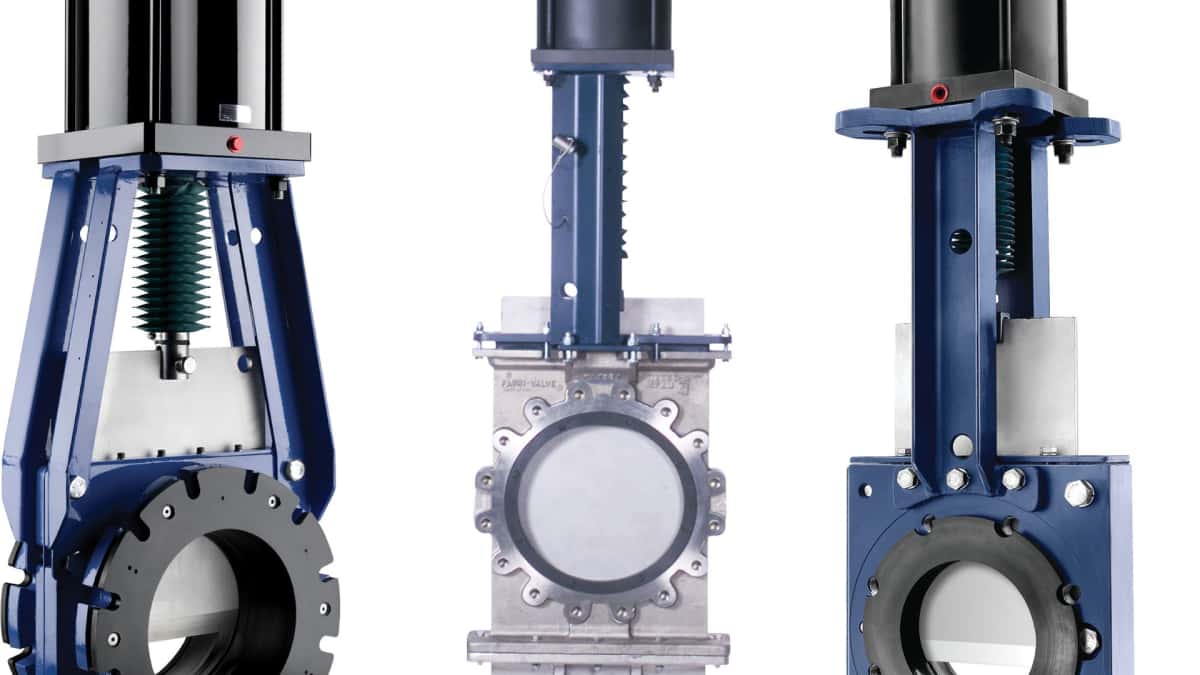
ITT Engineered Valves has added the Fabri-Valve PTB, a push-through valve for mining and mineral-processing slurry applications that the company says can operate at pressures of up to 285 psi. ITT says the design is intended to handle larger particles, but it has not disclosed the particle-size range or other operating parameters.
PTB targets larger particles in slurry service
The PTB is part of ITT’s Fabri-Valve line. The company described the model as a high-pressure option for handling slurries in mining operations and mineral-processing plants, with the ability to admit larger particles as a defining feature.
The announcement does not specify particle dimensions, materials of construction or the operating conditions associated with that capability. ITT also provided no further performance parameters. Without those details, the stated pressure rating and broad particle-handling description do not allow a direct comparison with other valves in the company’s range.
ITT signals a broader push-through valve range
The launch is the first step in a company plan to develop a wider range of push-through valves for mining, classified to ANSI pressure standards, ITT said. Emill Melliz, Fabri-Valve’s global product manager, said a broader selection could allow the company to compete in more project processes and tailor valve options to specific applications.
ITT has not provided a schedule for additional models or identified the pressure ratings and configurations it may offer. The announcement therefore sets out a product-development direction rather than a dated rollout plan. Further technical details on the PTB’s particle-size limits and operating conditions would be needed to evaluate its suitability for a specific slurry circuit.
More in Resources

Epic Gold defines Wilson and Fenton resources, but mine economics remain unproven
Cartier Resources retains royalties on both Quebec properties, while inferred classification and undisclosed terms limit what the figures can establish.
CuFe links Orlando and Gecko, but Tennant Creek’s early-feed option remains unproven
A combined development study is nearing completion, while historic mine dumps could offer an earlier processing route if their material proves suitable.

Gold miners outpace bullion in rebound after metal’s steepest weekly fall since March
The reversal puts the cost structure behind producer shares back in focus, while recent losses show the trade has not been uniform.