
Gold falls to its lowest since 2025 as sustaining costs hit records
Record mine-maintenance spending is meeting a weaker bullion market, but output and company-level cost trends are moving in different directions.
Why it matters: Higher costs are narrowing miners’ margins just as a weaker gold price could limit the cash available for projects and shareholder returns.
US$3,513.54/oz — gold’s Friday price in New York, its lowest since September 2025
US$1,930/oz — industry all-in sustaining costs in the second quarter of 2026
1,071 tonnes — global gold production in the third quarter, a record for that period
US$6,390/oz — B2Gold’s sustaining cost per ounce sold at the Goose mine in the second quarter
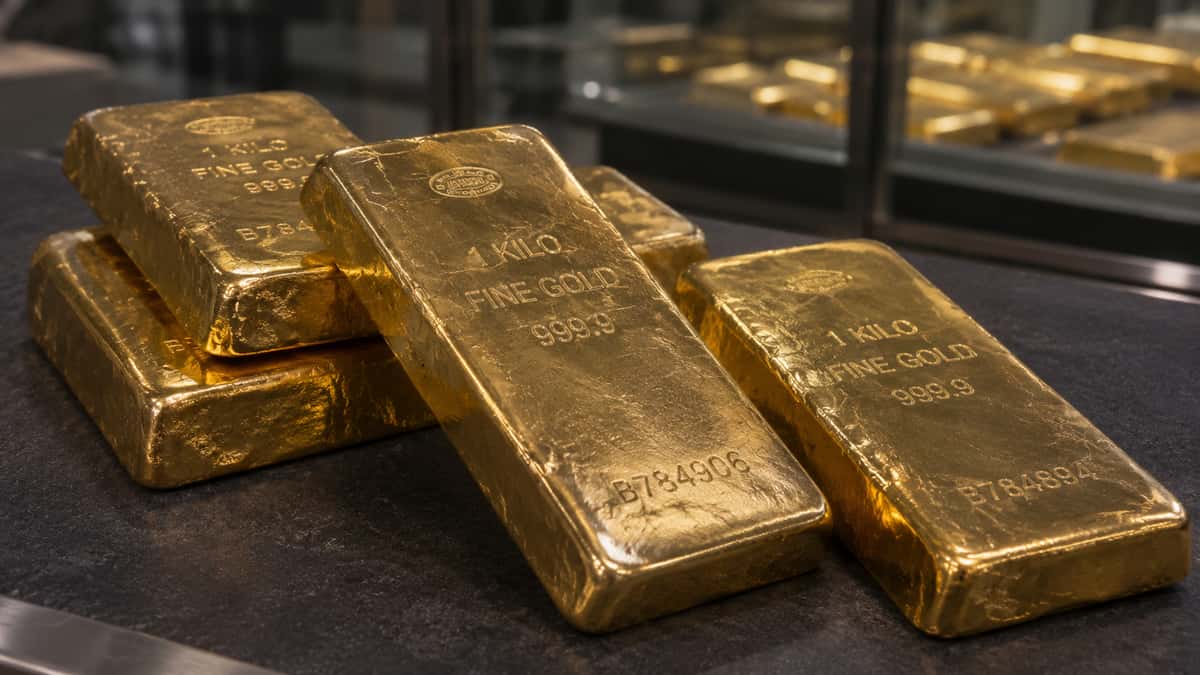
Gold fell to US$3,513.54 an ounce in New York on Friday, its lowest level since September 2025, as miners contended with rising costs to maintain production. Industry all-in sustaining costs (AISC) reached US$1,930 an ounce in the second quarter of 2026, while the metal’s retreat added pressure to producer margins.
Sustaining capital drove the cost increase
World Gold Council data show industry AISC rose 22% year on year in the second quarter, the steepest annual increase since 2013. Sustaining capital spending — investment to maintain existing production — climbed to US$441 an ounce, up 34% from the previous quarter. That increase accounted for about 80% of the rise in total costs.
The cost pressure came as the gold price faced competing forces in financial markets. Expectations of a possible US Federal Reserve rate increase in December lifted Treasury yields, which can draw investor interest away from non-yielding gold. A stronger US dollar also makes bullion more expensive for buyers using other currencies. The latest decline deepened a fall on November 18, when gold dropped nearly 3% to about US$3,735 an ounce.
Metals Focus precious-metals consultant Oliver Blagden recorded a 16% quarterly decline in producers’ operating margins, to US$2,582 an ounce. The margin was still the firm’s second-highest on record, but the contraction reduced cash available for new projects and shareholder returns.
Producer results show different cost pressures
Barrick Gold said its realised gold price fell US$174 an ounce in the third quarter, while AISC rose US$45 to US$1,911 an ounce. Together, those changes cut its operating margin by US$219 to US$2,332 an ounce.
Agnico Eagle Mines said a gold price of US$3,000 an ounce would not change its operating plans. Its sustaining expenses increased from US$237 million in the second quarter to US$287 million in the third, including US$96 million at Detour Lake in Ontario. Agnico expects capital spending to exceed US$3.5 billion in 2027.
Goose mine highlights the effect of operating disruptions
Global gold production reached 1,071 tonnes in the third quarter, up 3% year on year and a record for that quarter, according to the World Gold Council. Canadian production rose 22%, with the Goose mine in Nunavut contributing to the increase. An April fire had reduced the plant’s processing capacity, illustrating how operational interruptions can weigh on output and raise costs per ounce.
B2Gold produced 17,426 ounces at Goose in the second quarter and reported AISC of US$6,390 per ounce sold. In the third quarter, production increased to 30,894 ounces and the mine’s cost fell 25% to US$4,816 an ounce. However, B2Gold’s average AISC rose from US$2,356 to US$2,602 an ounce over the same period.
Bullion weakness has not brought a similar ETF outflow
The VanEck Gold Miners ETF closed at US$72 in New York on Thursday, down 12% from the previous week. Saxo Bank commodities strategy head Ole Hansen said some investors had turned to gold to raise liquidity as losses mounted in technology shares and other assets.
Despite gold’s nearly 10% decline over the past month, holdings in exchange-traded funds tracked by Bloomberg were little changed over that period. The divergence between stable fund holdings and weaker mining shares leaves rate expectations and their effect on bullion as key market factors.
More in Resources
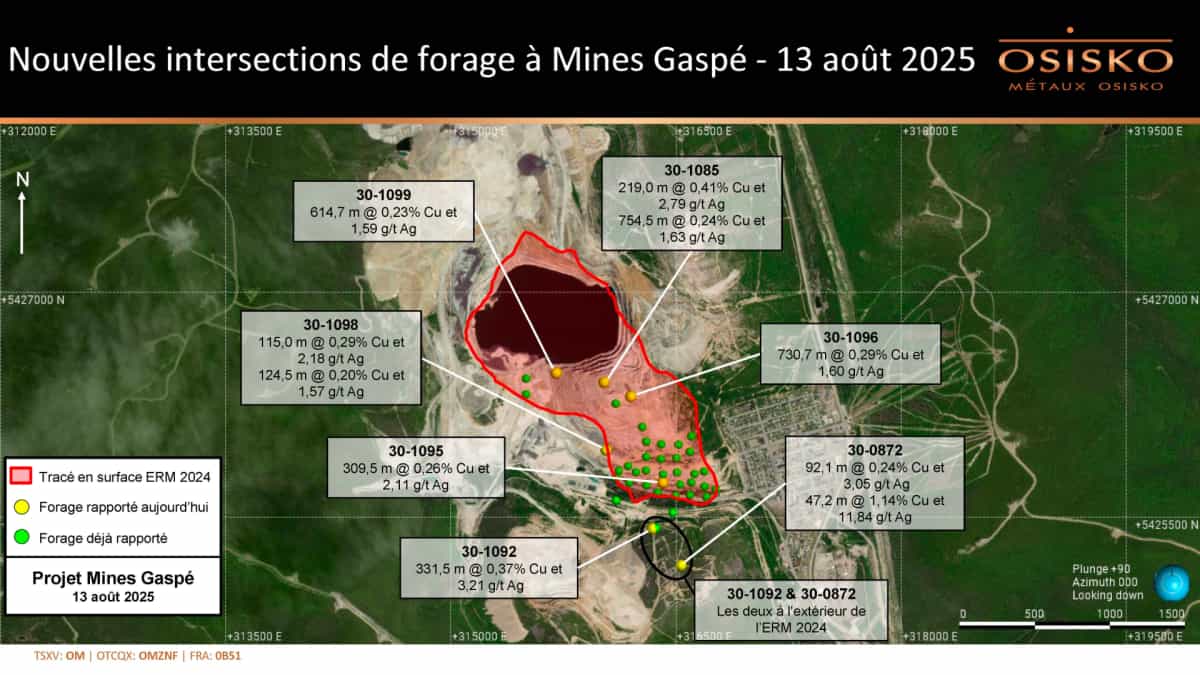
Osisko adds Porphyry Mountain to Gaspé estimate, but new drilling is excluded
Porphyry Mountain’s underground model draws on holes drilled as far back as 1994, while current campaign assays await a later update.

Panama and First Quantum begin Cobre Panama talks with court ruling unresolved
With the mine still closed, any path forward must address the legal, environmental and economic conditions Panama has set.
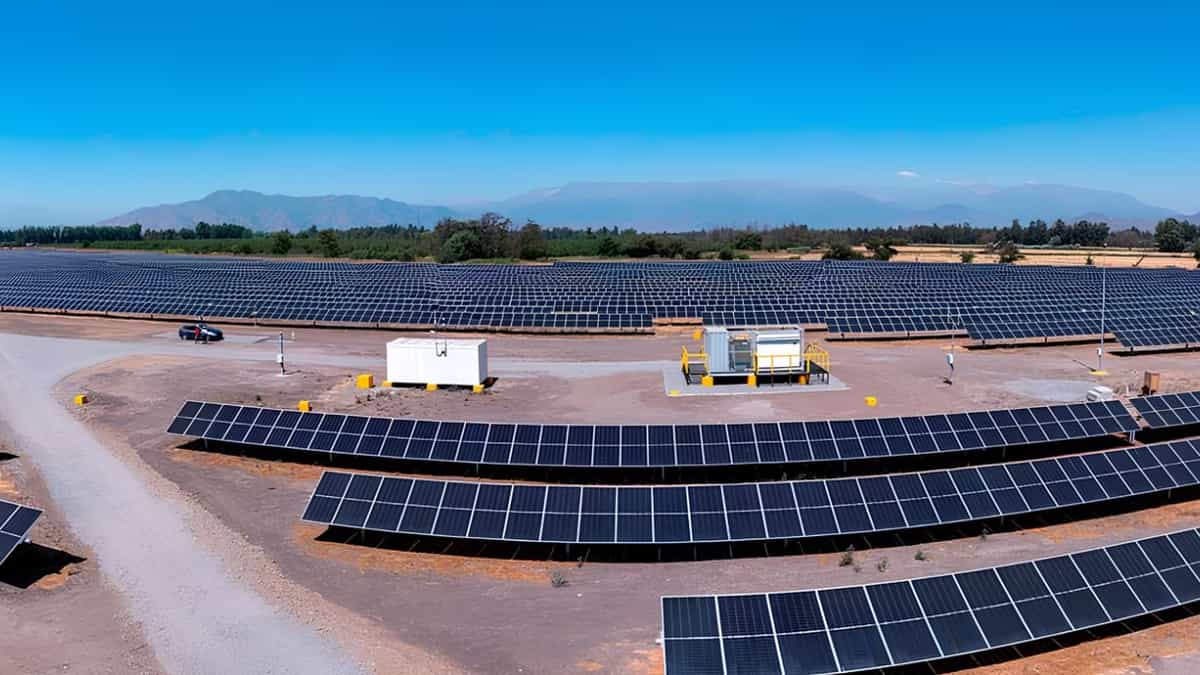
GIE asks Chile’s SEC to probe PMGD cap imposed after grid fault
The Chena–Cerro Navia outage triggered curbs, but GIE says the order does not explain which plants were selected or how the risk was assessed.