
First Quantum names Argentina country manager as Taca Taca awaits permits
The Salta copper project’s environmental approval also gates its application to Argentina’s large-investment incentive regime.

Why it matters: Taca Taca’s scale could make it a major source of new copper, but permits, financing and a construction decision remain outstanding.
US$5.25 billion — estimated investment, including the planned expansion.
291,000 tonnes — projected average annual copper production in the first decade.
35 years — projected mine life.
5,000 jobs — potential construction workforce, according to estimates presented by the company to Salta’s government.
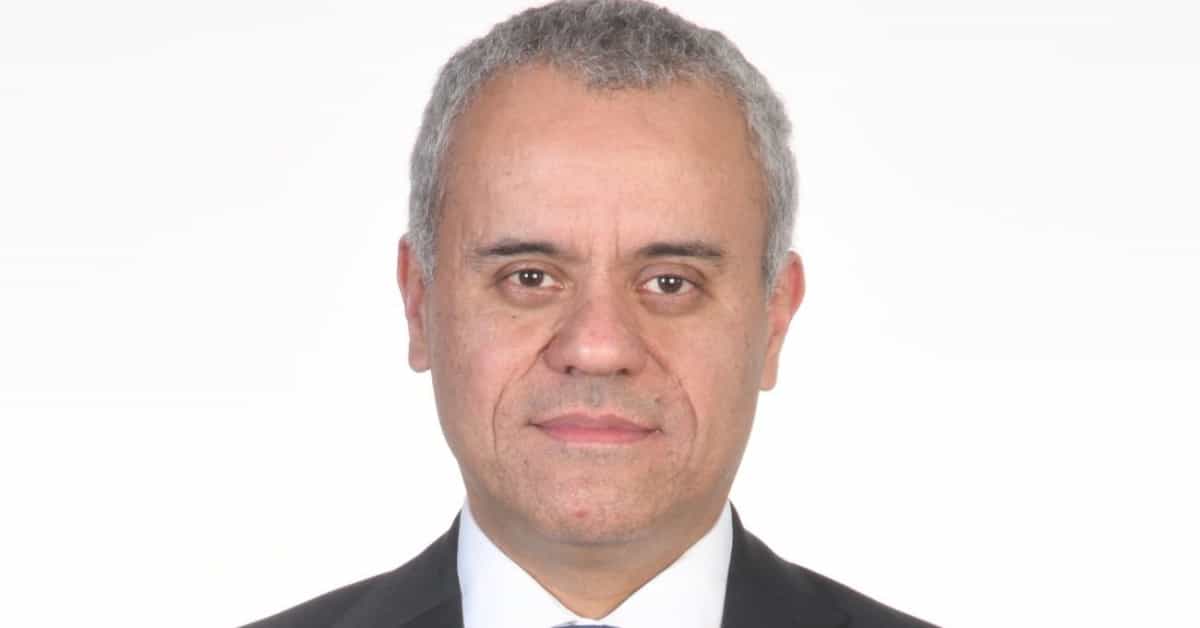
First Quantum Minerals has appointed Miguel Gimenez Zapiola as its Argentina country manager as it advances environmental and financial work on the Taca Taca copper project in Salta province. The project remains at the feasibility stage, with no final decision to build.
Gimenez Zapiola has more than 30 years of experience in corporate affairs, government and institutional relations, and communications, mainly in mining and energy. Before joining First Quantum, he was Eramet’s general delegate in Argentina and led corporate affairs for Eramine, a lithium producer at the Centenario Ratones salt flat. He has also held senior roles at Corporación América and Barrick Gold, including responsibility for institutional relations at the Veladero mine and the Pascua Lama project.
Taca Taca’s scale and mine plan
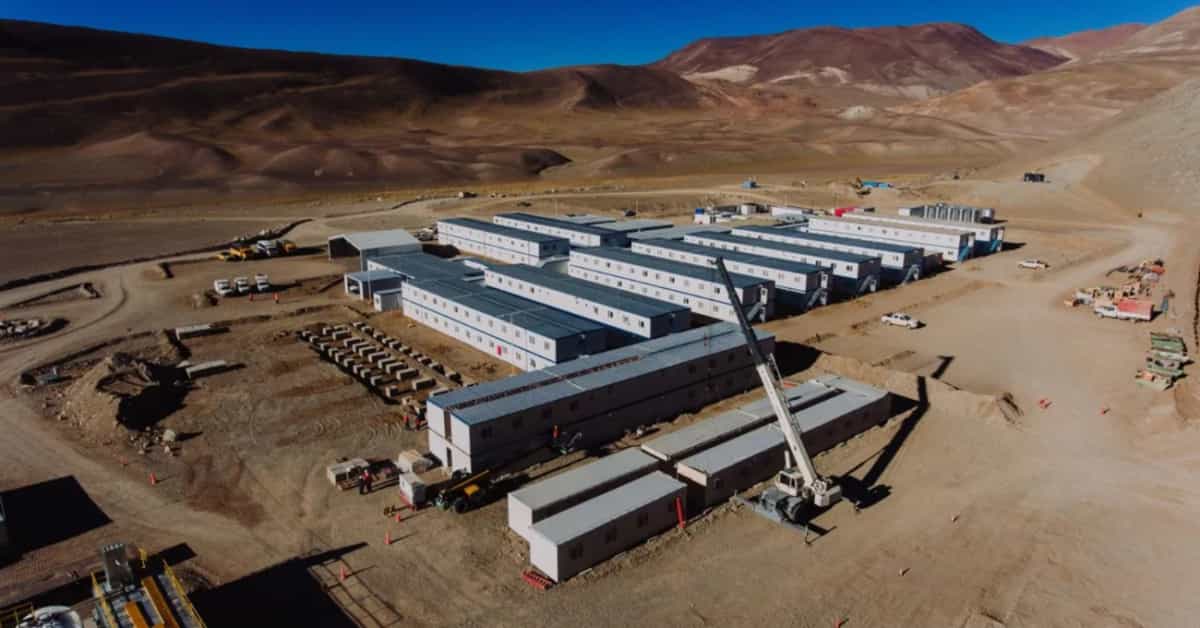
First Quantum acquired Taca Taca in 2014. The deposit sits at about 3,500 metres above sea level, roughly 55 kilometres from the Chilean border. A technical update submitted by the company in February 2026 reported mineral reserves of 1.99 billion tonnes grading an average 0.42% copper, with a projected mine life of 35 years.
The proposed open-pit operation would initially process 40 million tonnes of ore a year, increasing to 60 million tonnes from the fifth year. First Quantum estimates an initial outlay of US$4.232 billion, plus US$1.019 billion for the plant expansion. The company projects average copper output of 291,000 tonnes a year during the first 10 years, with a peak of 323,000 tonnes in one year. Average annual production over the full mine life is projected at about 209,000 tonnes, alongside gold and molybdenum by-products.
Environmental approval and investment conditions
A public hearing on the project’s environmental assessment took place in Tolar Grande on Nov. 12, 2026. Community representatives and authorities discussed water supply, environmental monitoring, local hiring and opportunities for local suppliers. In its third-quarter 2026 results report, First Quantum said it expected to receive environmental approval before year-end.
The company is preparing an application to Argentina’s Regime of Incentives for Large Investments (RIGI). Submission depends on securing environmental approval and water-use concessions, leaving those authorisations among the conditions for the project’s next steps.
A proposed route to Chilean ports
The development plan also raises a cross-border logistics question. First Quantum representatives told Salta’s Senate Mining Commission that the C-14 railway branch would need to return to operation through the Socompa border crossing to provide a connection to Chilean ports.
Estimates presented by the company to Salta’s government in October indicate construction could generate up to 5,000 jobs, while operations could require more than 2,000 direct employees. Those projections, and the proposed investment, depend on permits, financing and First Quantum’s final construction decision.
More in Resources
Escondida’s Alejandro Tapia wins Minnovex award as lower grades test the mine
A recent production peak is colliding with declining ore grades and a proposed replacement concentrator.
Coquimbo courts role in San Juan copper projects as transport links lag
A technical mission is planned for early 2027, but a cross-border supply chain still depends on transport links and company-level agreements.
Antofagasta’s US$200 copper treatment-charge proposal puts 2027 talks at risk
Chinese smelters face shrinking sulphuric-acid revenues as annual concentrate terms are negotiated.