
Antofagasta’s US$200 copper treatment-charge proposal puts 2027 talks at risk
Chinese smelters face shrinking sulphuric-acid revenues as annual concentrate terms are negotiated.
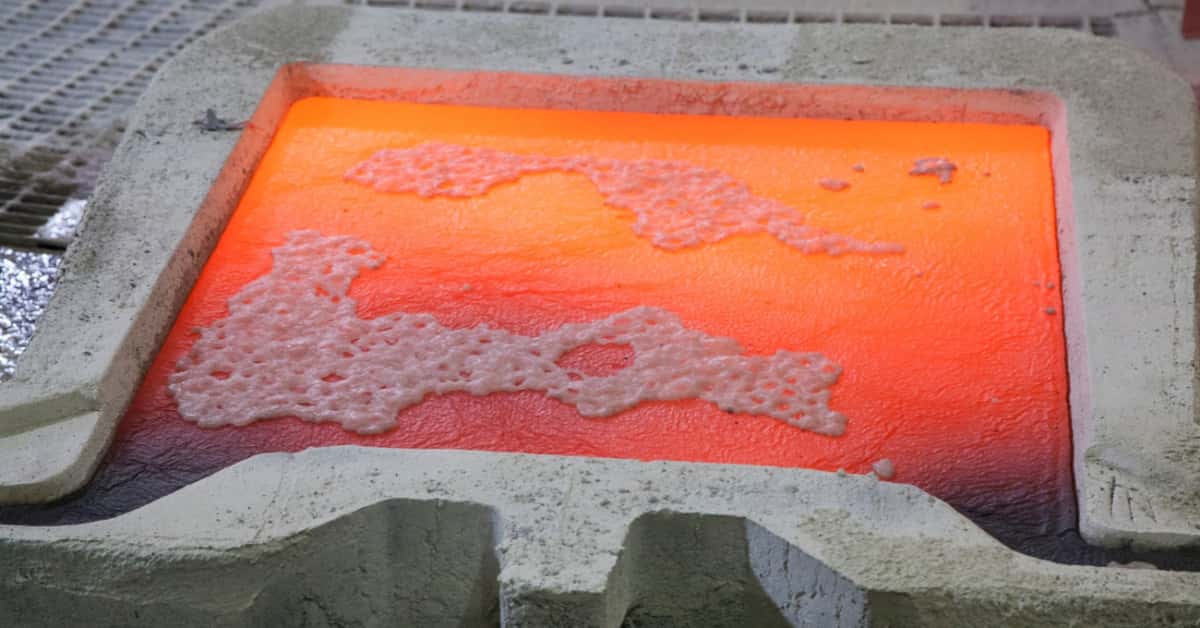
Why it matters: The negotiations could set terms for a global concentrate market worth about US$200 billion a year while testing how long smelters can absorb losses.
About -US$200/t — Antofagasta’s proposed 2027 treatment charge.
44% — China’s share of global copper-smelting capacity.
-US$300/t — Approximate low reached by spot treatment charges this year.
-US$50 to -US$100/t — CRU Group’s estimated range for 2027 annual contract charges.
Antofagasta has proposed a treatment charge of about -US$200 per tonne of copper concentrate for 2027 contracts, but Chinese smelters have not made a formal counteroffer, according to people familiar with the discussions. The proposal was presented during Cesco Asia Copper Week in Shanghai last week, leaving negotiations between the Chilean miner and Chinese buyers unresolved.
The terms matter beyond the parties involved: annual negotiations have traditionally provided a benchmark for concentrate-processing contracts worldwide. Antofagasta and Tongling Nonferrous Metals Group declined to comment on the discussions.
Smelter capacity outpaces mine supply
Treatment and refining charges, or TC/RCs, are normally paid by miners to smelters for processing concentrate into refined copper. When treatment charges turn negative, smelters pay more for the concentrate than the value of the copper it contains, putting pressure on processing margins.
The imbalance reflects smelting capacity expanding faster than mined supply. China accounts for 44% of global copper-smelting capacity, while new facilities have also been built in India, Indonesia and the Democratic Republic of the Congo. Spot treatment charges have been negative for the past two years and reached about -US$300/t this year.
For 2026, Antofagasta and Chinese smelters agreed annual treatment charges of US$0/t and refining charges of zero cents per pound. Those were the lowest levels recorded in annual negotiations up to that point, but spot-market charges subsequently fell further.
Lower acid prices erode a key revenue source
High sulphuric-acid prices helped Chinese smelters offset negative treatment charges during much of 2026. Supply disruptions linked to the conflict in Iran pushed up prices for the chemical, a major by-product of copper concentrate processing. Prices have since declined, reducing that support for smelter margins.
Some Chinese smelters put their cash-cost break-even point near a treatment charge of -US$90/t. Tongling executives indicated during meetings in Shanghai that they might accept a charge near -US$80/t, but the company has not submitted a formal counterproposal.
CRU Group estimates that annual contract treatment charges for 2027 could fall between -US$50/t and -US$100/t.
Annual benchmark faces a test
Chinese producers have already cut output during the second half of 2026 as processing economics weakened. Those reductions contributed to lower refined-copper inventories and recent strains on the Shanghai Futures Exchange, according to the source material.
Further deterioration could bring additional production cuts or closures, depending on the final contract terms and whether smelters can offset processing losses. The annual benchmark has also lost ground to spot transactions and contracts indexed to spot prices, although Chinese smelters continue to favour an annual negotiated charge amid the steep discounts in immediate-market deals.
Mining and smelting contracts commonly include provisions to suspend deliveries temporarily or use alternative pricing mechanisms if parties fail to agree. If no miner and smelter establish a reference charge for 2027, the current negotiations could mark the end of the annual system that has historically guided global concentrate-processing terms.
More in Resources

Escondida’s Alejandro Tapia wins Minnovex award as lower grades test the mine
A recent production peak is colliding with declining ore grades and a proposed replacement concentrator.
Coquimbo courts role in San Juan copper projects as transport links lag
A technical mission is planned for early 2027, but a cross-border supply chain still depends on transport links and company-level agreements.
Chile mining prices rise as copper widens the gap with the rest of industry
The national industrial index advanced, but its measure excluding copper points to a much milder price increase.