
Chile mining prices rise as copper widens the gap with the rest of industry
The national industrial index advanced, but its measure excluding copper points to a much milder price increase.
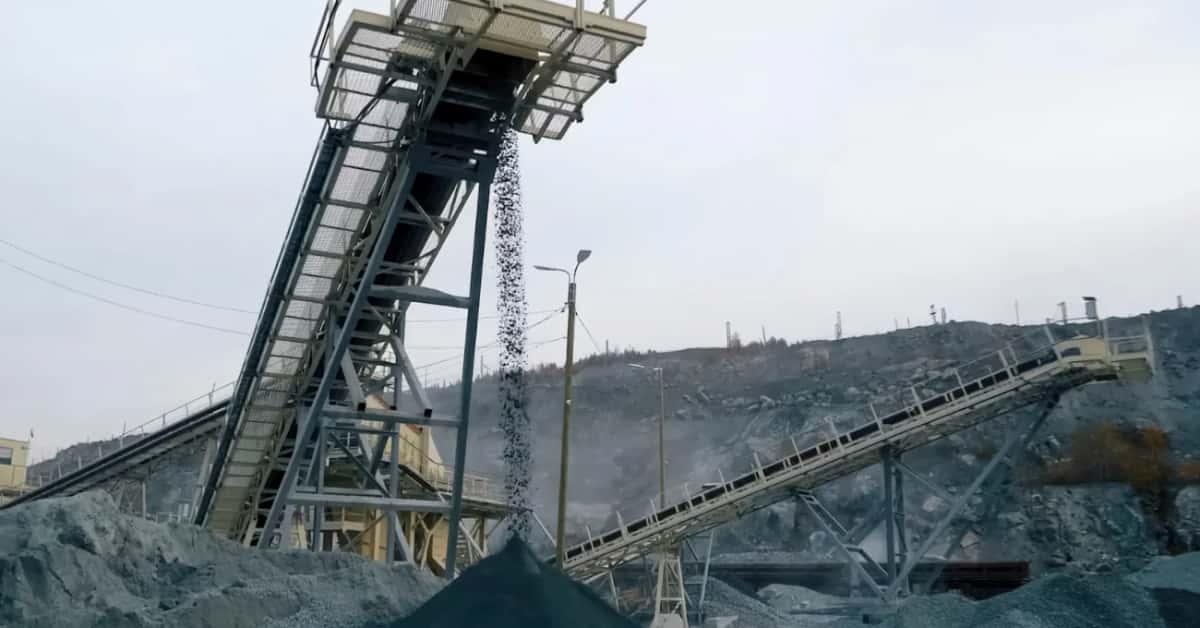
Why it matters: Copper’s outsized contribution to Chile’s producer-price index makes the headline industrial trend highly sensitive to the metal.
3.7% — monthly increase in mining producer prices in October
30.8% — mining price rise accumulated in 2026
4.0% — monthly increase for copper extraction and processing
1.2% — October rise in industrial producer prices excluding copper
Chile’s mining producer prices rose 3.7% in October, lifting the sector’s increase to 30.8% so far in 2026 and 37.9% over 12 months, the National Statistics Institute (INE) reported. Mining was the biggest contributor to the Industries Producer Price Index, which increased 2.8% from September and 20.4% year to date.
The contrast with the index excluding copper was pronounced: that measure gained 1.2% in October and 7.6% in 2026, compared with 20.4% for the full industrial index. The figures show how strongly copper prices shaped the reported movement, rather than a comparable rise across all industrial producer prices.
Copper drove the mining index higher
Copper extraction and processing recorded a 4.0% monthly increase and contributed 3.820 percentage points to the mining index result, the largest contribution among its nine classes. Six classes rose and three fell. Crude oil extraction increased 12.2%, while salt extraction rose 5.2%; both also contributed positively.
The mining sector added 2.236 percentage points to the broader industrial index, according to the INE. The copper class’s contribution to the sector index and mining’s contribution to the overall index are separate measures, reflecting their positions in the respective indices.
Manufacturing prices also increased
Manufacturing producer prices rose 1.9% month on month, taking their year-to-date increase to 10.3% and their 12-month increase to 9.6%. Petroleum-refining products had one of the largest positive effects, with prices up 11.8% in October.
The electricity, gas and water distribution index was unchanged at the first decimal place and was down 0.6% in 2026. Water collection, treatment and distribution was the sector’s strongest positive contributor, rising 0.6%.
The producer-price index tracks prices for goods sold by domestic producers at the first stage of commercialisation, excluding taxes and costs tied exclusively to sales. Its changes therefore do not directly measure production-cost movements or the prices paid by consumers.
More in Resources

Escondida’s Alejandro Tapia wins Minnovex award as lower grades test the mine
A recent production peak is colliding with declining ore grades and a proposed replacement concentrator.
Coquimbo courts role in San Juan copper projects as transport links lag
A technical mission is planned for early 2027, but a cross-border supply chain still depends on transport links and company-level agreements.
Antofagasta’s US$200 copper treatment-charge proposal puts 2027 talks at risk
Chinese smelters face shrinking sulphuric-acid revenues as annual concentrate terms are negotiated.