
Ero’s Pará copper mine suspended after acidic spill as fish deaths spread
The reported deaths span a 90-kilometre river corridor, while Ero and local researchers give different timelines.
bloomberg.com
Why it matters: The dispute puts the mine’s operating status and the source of reported wildlife deaths at stake across a river system connected to the Amazon.
R$16.9 million — fine imposed by the Pará government, equivalent to about US$2.5 million.
About 90 kilometres — the reported span of fish deaths between Tucumã and São Félix do Xingu.
November 15 — the date the Instituto Moninho says the incidents began.
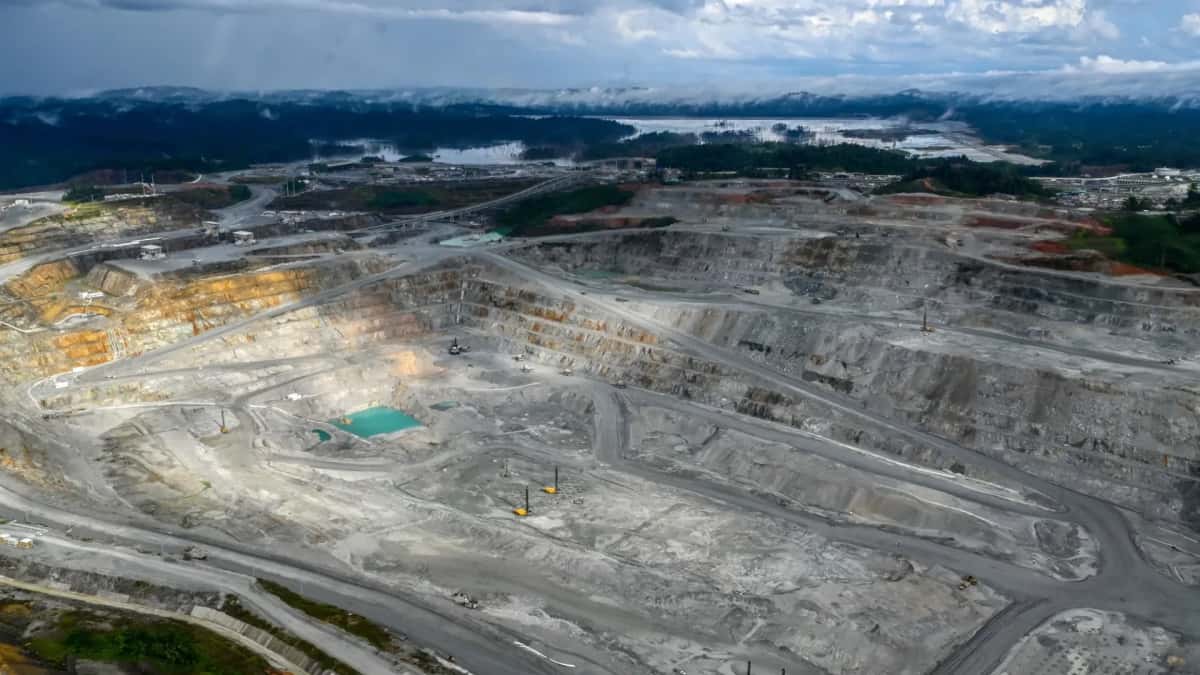
Pará has suspended copper extraction and processing at a mine operated by Canadian company Ero after authorities detected acidic industrial effluent overflowing a containment structure. The state also imposed a fine of R$16.9 million (about US$2.5 million). The action came on Tuesday, November 24, as reports of dead fish and other affected wildlife extended across rivers and streams in southern Pará.
The reported fish deaths cover a stretch of about 90 kilometres between Tucumã and São Félix do Xingu. The Instituto Moninho, which conducts independent work in the region, says the incidents began on November 15 and locates the spill at Ero’s facilities. Reports also describe caimans, birds and mammals as affected. The contamination may have reached the Xingu River, a major tributary of the Amazon, but the available information does not confirm its extent.
State order halts mining and processing
The suspension applies to both extraction and processing at the mine. Pará authorities said they acted after finding that acidic industrial effluent had overflowed a structure intended to contain it.
The government has not specified how long the suspension will remain in place. The available information also does not state how much effluent may have escaped or identify the measures Ero must complete before operations can resume.
Ero disputes the link to wildlife deaths
Ero denies that the overflow caused the fish deaths and says they began about three weeks earlier. The company attributes the overflows to torrential rain and says it is working to recover the affected area.
The accounts differ on both the timing and the connection between the events: Instituto Moninho dates the start of incidents to November 15, while Ero says fish deaths were already occurring roughly three weeks before the overflow. No water-analysis results or independent assessment establishing the cause of the wildlife deaths have been reported. The cause and extent of the reported impacts therefore remain unresolved, while the state suspension is in effect.
More in Resources

Copper hits an 11-month low as tariff and rate fears spread across metals
US inflation and new tariff news met falling equities, reviving bets on higher rates as investors cut risk exposure.
Ora Banda targets 300,000 ounces at Davyhurst as a new plant takes shape
Riverina and Sand King are supplying the current base, but the next production step rests on mines still being developed.

Arminera 2027 eyes a supplier-meeting record, but leaves its target unquantified
The business round returns across all three days as the Buenos Aires exhibition adds space at La Rural.