
Código Futuro takes Antofagasta students from coding toward mining careers
The curriculum covers Python, AI and data science, while technical visits and vocational training offer a second route into the industry.
Why it matters: The programme is building regional mining talent by connecting school-based technology lessons with industry exposure and vocational training.
More than 11,000 — young people have participated in five years.
About 40% — of participants have been women, according to Escondida | BHP.
13 students — completed training in high-tonnage equipment operations in 2026.
Nine schools — took part across four communities in the Antofagasta Region.
Escondida | BHP’s Código Futuro programme has involved more than 11,000 young people over five years, combining digital technology courses with exposure to mining operations. The 2026 programme concluded with students from Antofagasta, Mejillones, San Pedro de Atacama and Tocopilla completing modules in Python, artificial intelligence and data science.
The initiative is run by Escondida | BHP and Fundación Minera Escondida. Company vice-president of corporate affairs and communications Pablo Pisani said about 40% of participants to date have been women, while more than 20 young people have continued their education or completed professional internships at the company.
Nine schools took part across the region
The programme included five schools in Antofagasta: Liceo Mayor General Óscar Bonilla Bradanovic, Liceo La Portada, Liceo Politécnico Los Arenales, Liceo Industrial Eulogio Gordo Moneo and Colegio Técnico Industrial Don Bosco. The other participating institutions were Liceo Bicentenario Agropecuario Likan-Antai in San Pedro de Atacama; Complejo Educativo Juan José Latorre in Mejillones; and Liceo Politécnico Diego Portales and Liceo Domingo Latrille in Tocopilla.
Skillnest delivered the 2026 course modules. Students also made technical visits to CEIM and Komatsu to see technologies used in mining production processes.
Regional education secretary Carolina Moscoso said programmes of this kind can introduce students to new technologies, help them explore vocational interests and broaden their employment options. Sarahi Muñoz, a student at Complejo Educacional Juan José Latorre Benavente, said the experience had led her to consider a career in mining and welcomed opportunities for more women in the industry.
Thirteen students completed heavy-equipment training
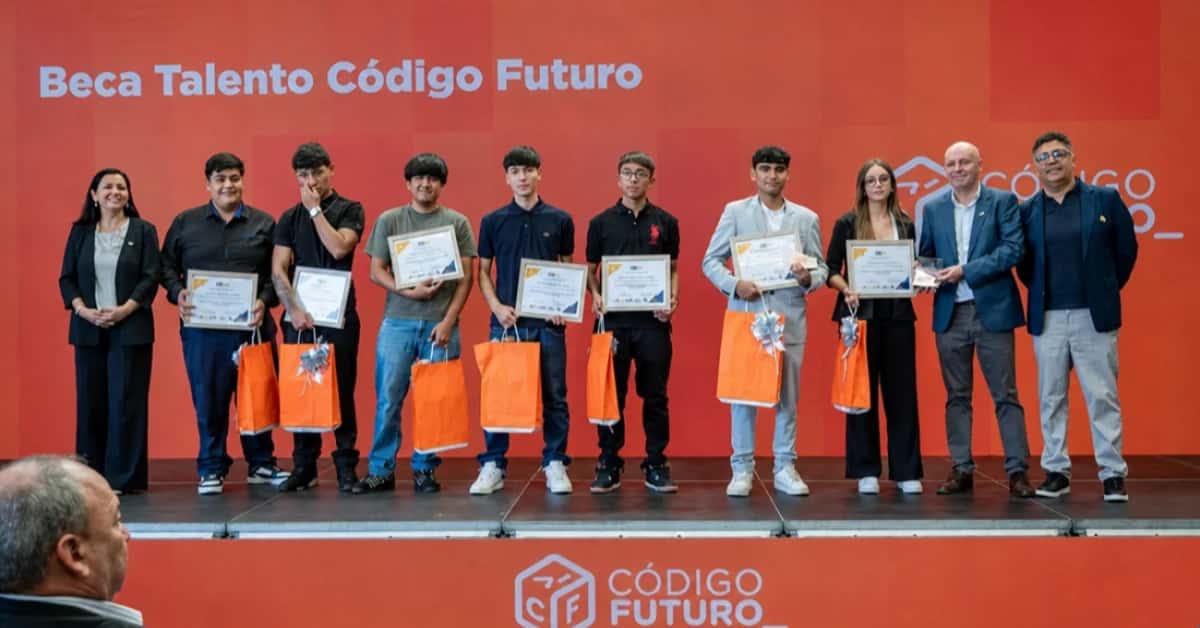
At the closing ceremony, 13 students from the programme’s fourth cohort received a qualification in operation of service equipment and high-tonnage trucks. They completed a continuing-education scholarship delivered by CEIM between March and August 2026. Student Benjamín Huidobro said the training had provided tools and confidence to pursue a professional future in mining.
Fundación Minera Escondida executive director José Antonio Díaz said Código Futuro is among the priority initiatives in the Antofagasta Region Mining Strategy for Wellbeing, which links education with regional development and workforce training.
The sixth version of Código Futuro is scheduled to begin in April 2027.
More in Resources
Jaguar Uranium's Berlin resource covers 2.9 km of a 10.5 km trend
The northern extension remains open, but sampling gaps on the eastern flank still constrain confidence in the model.
Angola’s small-scale gold mining plan leaves foreign access unresolved
The proposal coincides with the presentation of a state-owned refinery, putting small-scale mining and a new gold-processing asset on the same policy agenda.

Gold falls below US$3,500 as stronger US growth shifts the Fed rate outlook
A 0.9-point GDP revision landed alongside inflation readings that moved in different directions, complicating the rate signal for bullion.