
Codelco and University of Chile target rockburst risk at two deep copper mines
At both mines, greater depth changes stress conditions; Codelco’s production plans depend on how well those shifts can be measured.
Why it matters: Better knowledge of rock behaviour at depth could help Codelco manage geotechnical hazards that threaten worker safety and underground production.
140,000 tonnes per day — Chuquicamata Subterránea’s design capacity at steady state.
At least 40 years — additional operating life envisaged for Chuquicamata Subterránea.
About 2 billion tonnes — mineral reserves the El Teniente deepening portfolio was designed to access.
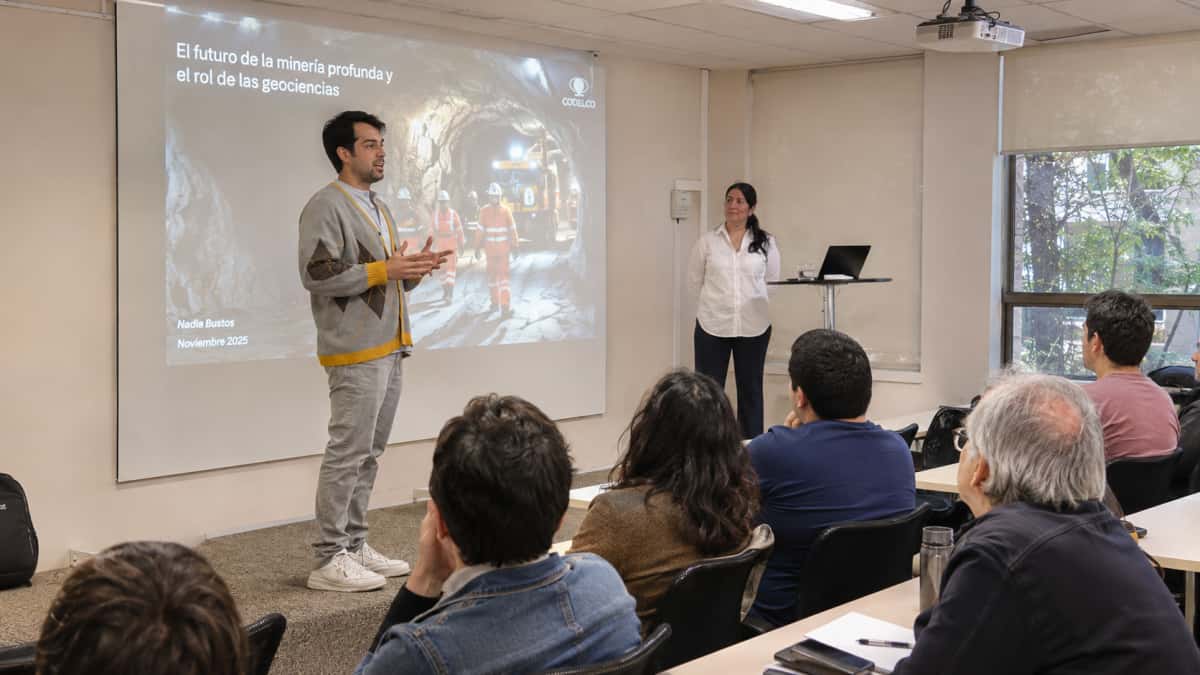
Codelco and the University of Chile’s Advanced Mining Technology Center (AMTC) are strengthening their scientific work on deep-mine geoscience, with a focus on the Chuquicamata and El Teniente underground operations. The collaboration aims to improve rock-mass characterisation, monitoring and mine designs as extraction moves into more complex conditions.
The priorities were discussed at the G3 seminars at the University of Chile’s Faculty of Physical and Mathematical Sciences on November 19, 2026. Nadia Bustos, Codelco’s director of geoscience development, took part. The work addresses a central challenge for both mines: increasing depth can raise natural stresses in rock and change how it responds to excavation and extraction.
Chuquicamata’s block-caving design depends on rock behaviour
Opened in August 2019, Chuquicamata Subterránea was designed to extend the division’s productive life by at least 40 years by mining resources beneath the historic open pit. Its planned steady-state capacity is 140,000 tonnes of ore per day using block caving, a method that relies on gravity and progressive rock fracturing to bring large volumes of ore to lower levels.
The method makes knowledge of the deposit’s geology, rock strength, structures and changing stress conditions operationally important. Poor characterisation can complicate cave propagation, damage excavations, reduce recoverable ore or constrain mine operations. Improved geological and geomechanical models could inform both infrastructure safety and production planning, although Codelco has not announced quantified cost savings or production gains from the research.
El Teniente faces deeper workings and geotechnical hazards
At El Teniente in the O’Higgins Region, the mine’s deepening project portfolio was designed to access about 2 billion tonnes of mineral reserves and extend the operation’s horizon by more than 50 years. The work must account for high stresses, complex geological structures and changes in ground behaviour as mining advances.
Applied research could support decisions on tunnel design, ground support, extraction sequences and geotechnical monitoring. It may also help operations set restrictions when stability indicators exceed safety parameters. The objective is to reduce workers’ exposure and improve decisions as conditions change—not to predict every mining-induced seismic event with certainty.
Monitoring can inform decisions, but no cost target is set
Research associated with the AMTC includes work on geological and geotechnical characterisation. In 2026, studies connected to the centre were selected in Codelco’s Piensa Minería competition, including research on induced seismicity and rockbursts.
Potential tools include microseismic sensors, deformation measurements, three-dimensional computer models and advanced processing of geological data. Models can compare mine-design options before physical changes are made, while monitoring can track shifts in seismic activity and rock response. Their operational value depends on integrating reliable, timely information into decisions by mine teams.
Geotechnical instability can lead to suspended work, reinforcement, access restrictions or revised extraction schedules, with possible effects on costs and output. Codelco has not publicly quantified a specific investment for the collaboration or targets for cost reduction or production growth. The next challenge is translating research and monitoring into actionable operational information for the two mines.
More in Resources
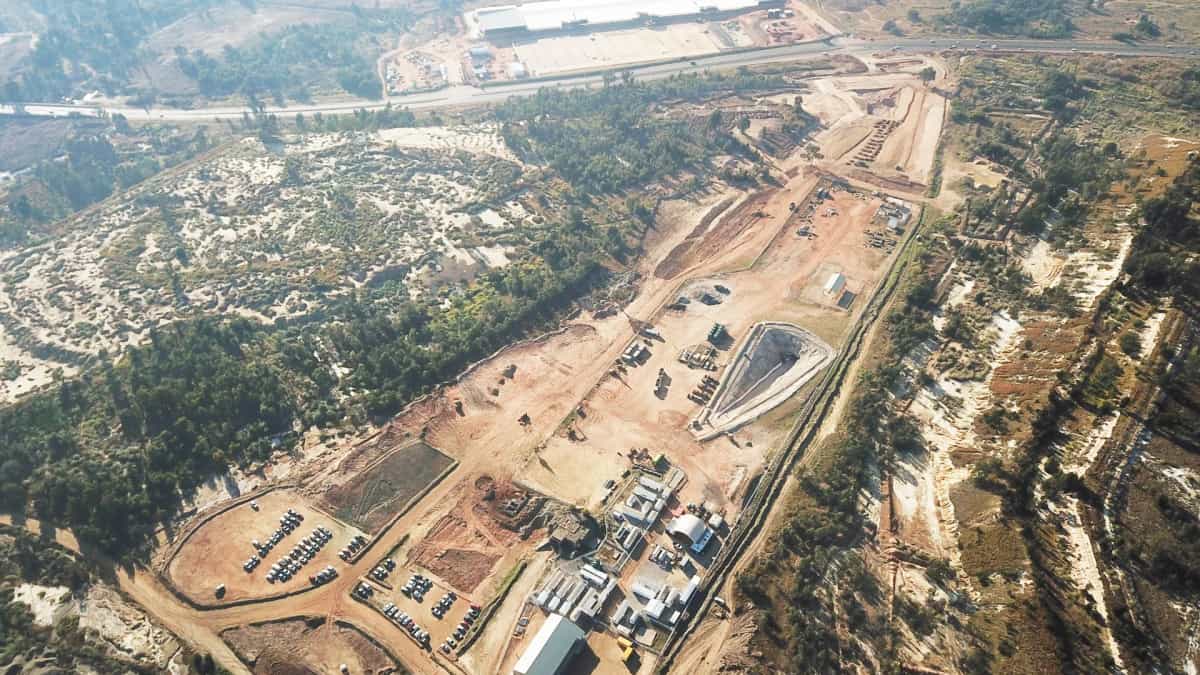
West Wits takes Qala Shallows to investors before stoping begins in 2027
The South African mine has poured gold from development ore, but its planned stoping phase is still months away.
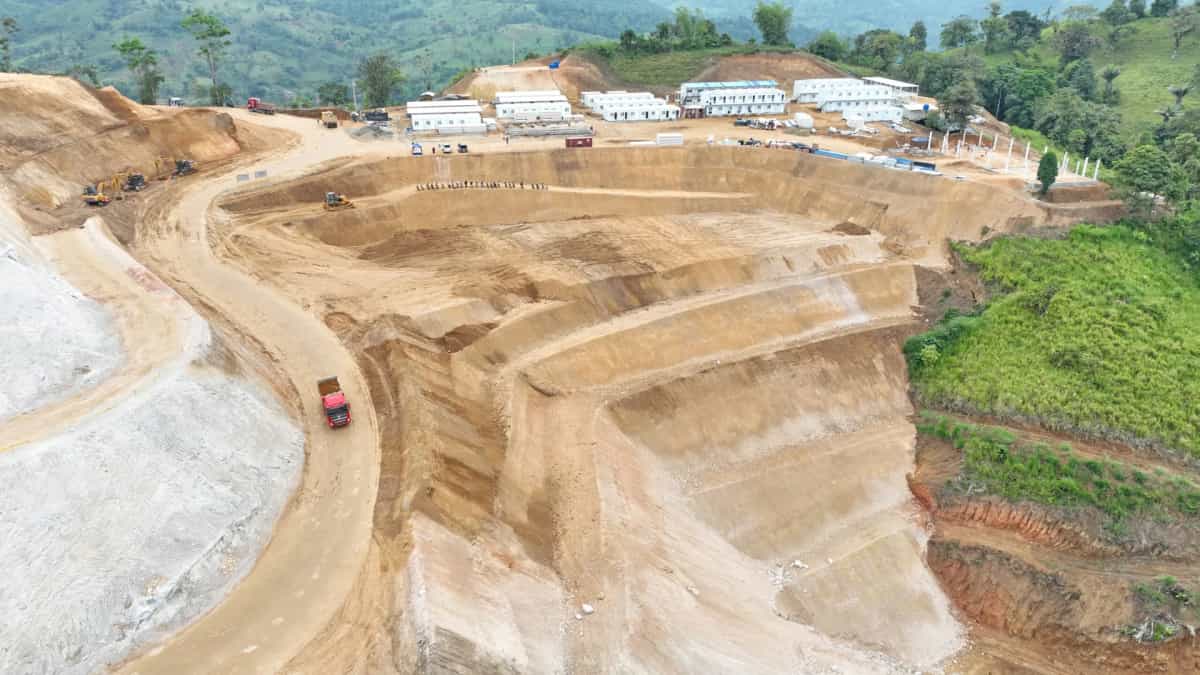
El Domo’s ball-mill components reach Ecuador, but installation is still ahead
Silvercorp’s November 2027 production target depends on site work the company has identified as a potential source of delay.
Copper falls in London as tech selling and US tariff risks weigh on prices
Last week’s 10.13% loss has sharpened the contrast between tight metal availability in China and weakening investor appetite.