
Chile’s Tovaku clears environmental review, but construction still faces a separate test
A 2030 production target puts Tovaku’s remaining pre-construction work in focus, while two other Chilean copper projects face different execution demands.
riotimesonline.com
Why it matters: The three projects show how delivery risks shift from pre-construction approvals to coordinating neighbouring mines and ramping up an operating asset.
US$870 million — estimated investment for Tovaku.
46,000 tonnes a year — projected Tovaku output of copper cathodes.
2.7 million tonnes over 21 years — estimated additional copper from the Andina–Los Bronces plan, subject to permits.
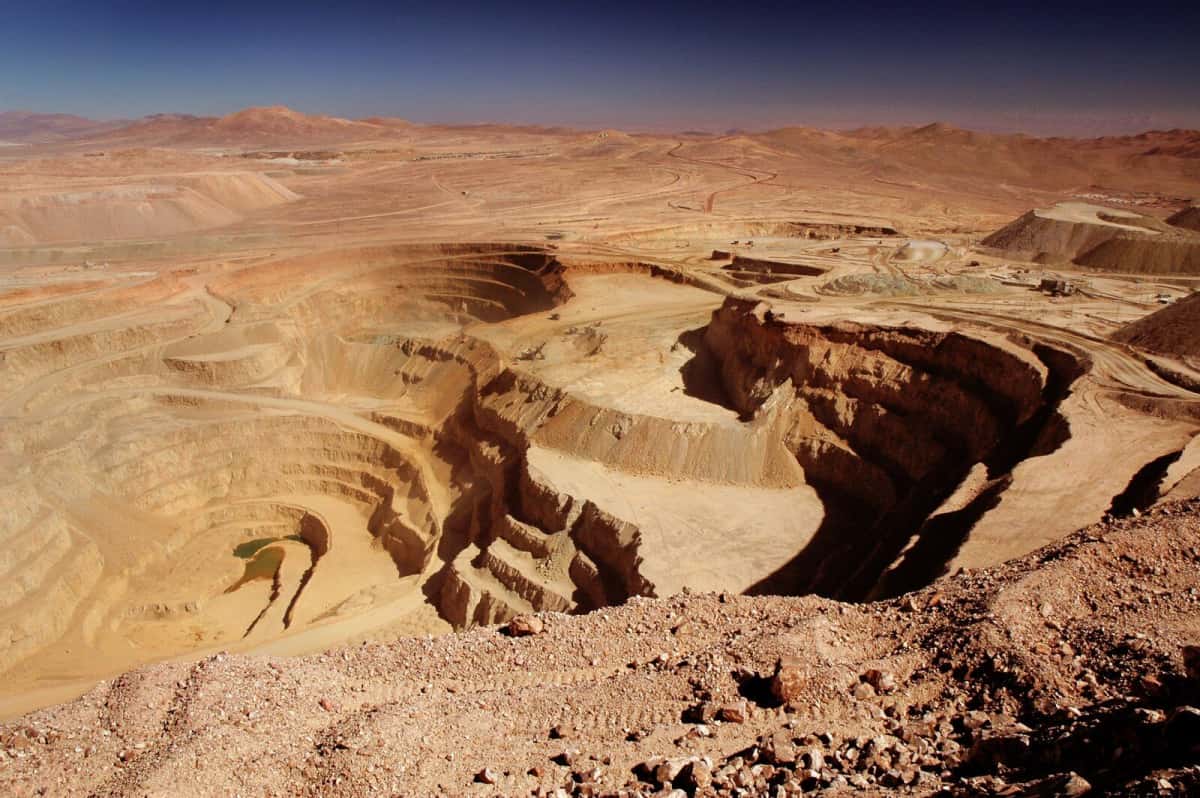
Pucobre and Codelco’s Tovaku project has received environmental approval in Chile’s Antofagasta Region, but construction is not yet underway. The estimated US$870 million project is targeting production towards 2030, with projected output of 46,000 tonnes of copper cathodes a year. Detailed engineering, sectoral permits and preparation for early works remain among the steps ahead, according to an analysis by Turner & Townsend.
The analysis examines three copper initiatives at different stages: Tovaku’s preparations before construction, the joint mining plan for Andina and Los Bronces, and the gradual processing ramp-up at Rajo Inca. Turner & Townsend identifies coordination of engineering, contracts, budgets and permits as a shared execution challenge, with the specific work varying by project.
Tovaku’s environmental approval is not a construction start
The environmental assessment commission for Antofagasta approved Tovaku, moving the project past one permitting milestone. The approval does not replace sectoral permits or detailed engineering. Turner & Townsend says that, before construction, teams need to organise activities and dependencies; changes to engineering or permitting during this phase can affect both schedule and budget.
The distinction matters for a project targeting production towards 2030. The approval establishes an environmental basis for advancing, while the remaining work includes engineering detail, sectoral authorisations and preparation of early works. The analysis does not provide a detailed schedule for these steps.
Andina–Los Bronces still needs implementation permits
Codelco and Anglo American signed a definitive agreement for their joint mining plan in September 2025 and announced its closure in June 2026, after conditions for that stage were met. Competition authorities in China, Brazil, South Korea and other jurisdictions had cleared the plan in March 2026. The companies aim to coordinate two neighbouring operations and make use of existing infrastructure.
The companies estimate the plan could add 2.7 million tonnes of copper over 21 years, but that projection depends on obtaining the permits required to implement it. Closing the agreement did not mean that coordinated production was already underway. The execution task now includes aligning the plans for both operations as authorisations progress.
In April 2026, the companies also described the goal as an increase of about 120,000 tonnes a year between 2030 and 2051. They planned to submit two separate environmental studies in December 2026. Turner & Townsend’s analysis highlights coordination between the two sites as a central requirement during the permitting period.
Rajo Inca’s challenge is a gradual processing ramp-up
At Codelco’s Salvador Division in the Atacama Region, Rajo Inca is intended to sustain operations as the resources that supplied existing activities are depleted. Unlike Tovaku and the joint Andina–Los Bronces plan, its immediate execution focus is raising processing gradually towards design capacity.
Turner & Townsend director of infrastructure, energy and natural resources in Chile, Gustavo Villamizar, said establishing a baseline budget and schedule early in engineering, then tracking them together, can help identify risks. The analysis points to permitting delays, water availability and supplies as potential sources of schedule pressure when contracts, budgets and approval timelines are managed separately.
The analysis provides no detailed timetable for the next steps at the three initiatives and no production figures for Rajo Inca, limiting direct comparison with the projections reported for Tovaku and Andina–Los Bronces.
More in Resources
Epic Gold defines Wilson and Fenton resources, but mine economics remain unproven
Cartier Resources retains royalties on both Quebec properties, while inferred classification and undisclosed terms limit what the figures can establish.
CuFe links Orlando and Gecko, but Tennant Creek’s early-feed option remains unproven
A combined development study is nearing completion, while historic mine dumps could offer an earlier processing route if their material proves suitable.

Gold miners outpace bullion in rebound after metal’s steepest weekly fall since March
The reversal puts the cost structure behind producer shares back in focus, while recent losses show the trade has not been uniform.