
Chile’s plug-in vehicle sales surge as public charging additions slow
Fuel prices climbed sharply through October, intensifying the test of whether charging access can keep pace.
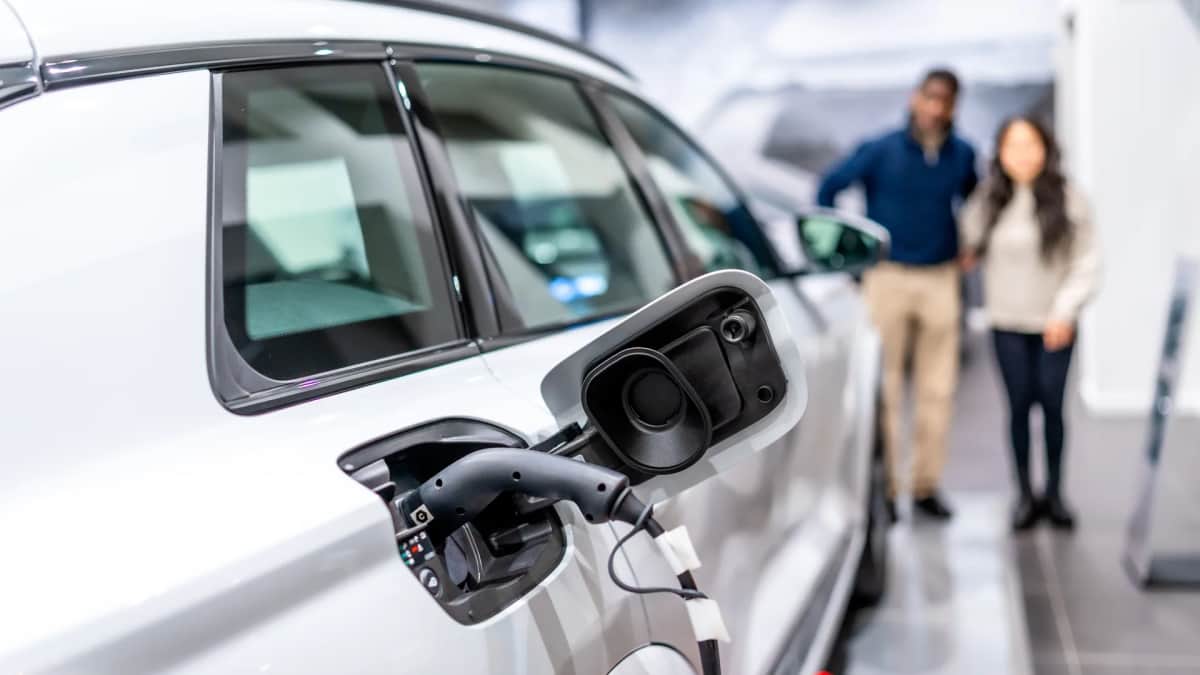
source.benchmarkminerals.com
Why it matters: Chile’s fast-growing plug-in vehicle market is expanding against a slower pace of new public charging infrastructure.
16,502 vehicles — electric and plug-in hybrid sales from January to October 2026, up 141.8% year on year.
239 points — new public charging points added in the period, compared with 523 in 2025.
26.2% and 53.5% — cumulative increases in gasoline and diesel prices, respectively, through October.
6.2% — plug-in vehicles’ share of new light- and medium-duty vehicle sales.
Chile sold 16,502 electric and plug-in hybrid vehicles between January and October 2026, while the number of newly added public charging points fell to 239 from 523 in 2025. Sales rose 141.8% year on year, according to the National Automotive Association of Chile (ANAC); the decline in additions represents slower infrastructure growth, not a reduction in the total number of registered public points.
Fuel costs rose over the same period. The National Statistics Institute reported gasoline prices were up 26.2% through October and diesel prices up 53.5%. ANAC identified higher gasoline costs as one factor supporting demand for vehicles with greater energy efficiency.
Battery-electric models lead plug-in sales
October sales reached 1,665 plug-in vehicles, 119.7% above the same month in 2025. Fully electric models accounted for 995 units, plug-in hybrids for 566 and externally rechargeable extended-range electric vehicles for 104.
For January to October, fully electric vehicles led with 9,204 sales. Plug-in hybrids totalled 6,231, while extended-range plug-in models reached 1,067. Despite the strong year-on-year increase, plug-in vehicles made up 6.2% of Chile’s new light- and medium-duty vehicle sales, leaving the segment a minority of the market.
Fewer new chargers, with AC additions hardest hit
The slowdown was concentrated in alternating-current (AC) charging points. Just 32 were added, an 88.6% decline year on year. Direct-current (DC) additions fell 14.5%, to 207.
Chile had 2,341 public charging points registered with the Superintendence of Electricity and Fuels (SEC). Separately, the SEC reported in September that the Metropolitan Region had 3,827 public and private chargers; the figures describe different categories and should not be read as a direct comparison. The public charging network has a presence in every region, but the data do not establish how evenly access is distributed beyond the capital.
The next measure to watch is whether new public charging additions recover as plug-in sales continue to grow; the reported figures cover January through October 2026.
More in Resources

Chile’s peso gains as copper rebounds, but November’s metal sell-off still weighs
With US markets closed for Thanksgiving, thin trading left the copper bounce facing a test against broader pressure on the peso.

Congo’s copper exports close on Chile as Codelco faces a 31-year low
Chinese-backed mines are expanding in Congo as Chile’s biggest producer struggles to reverse a prolonged operational decline.
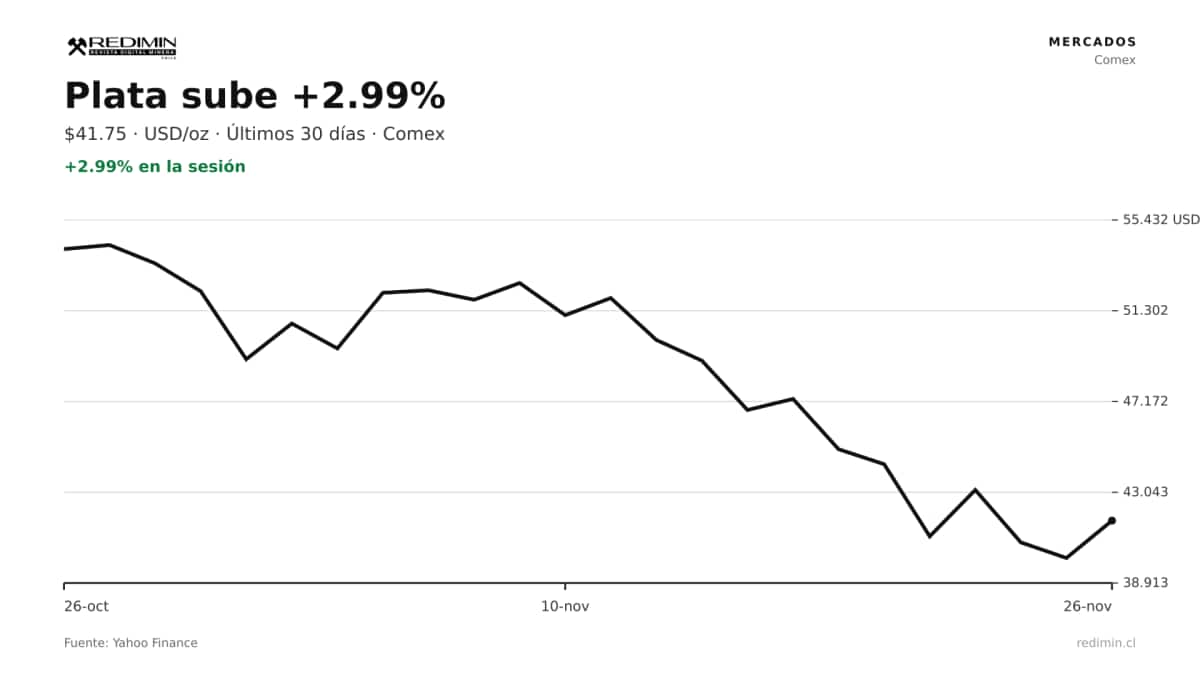
Comex silver gains 2.99% but remains near its 52-week low
The annual trading band is wide, while the available market record does not identify what drove the session’s move.