
Chile's mining investment leans on brownfields as falling grades test future output
Mature operations must process more material to sustain copper output, while new exploration still has to establish what lies beneath untested ground.
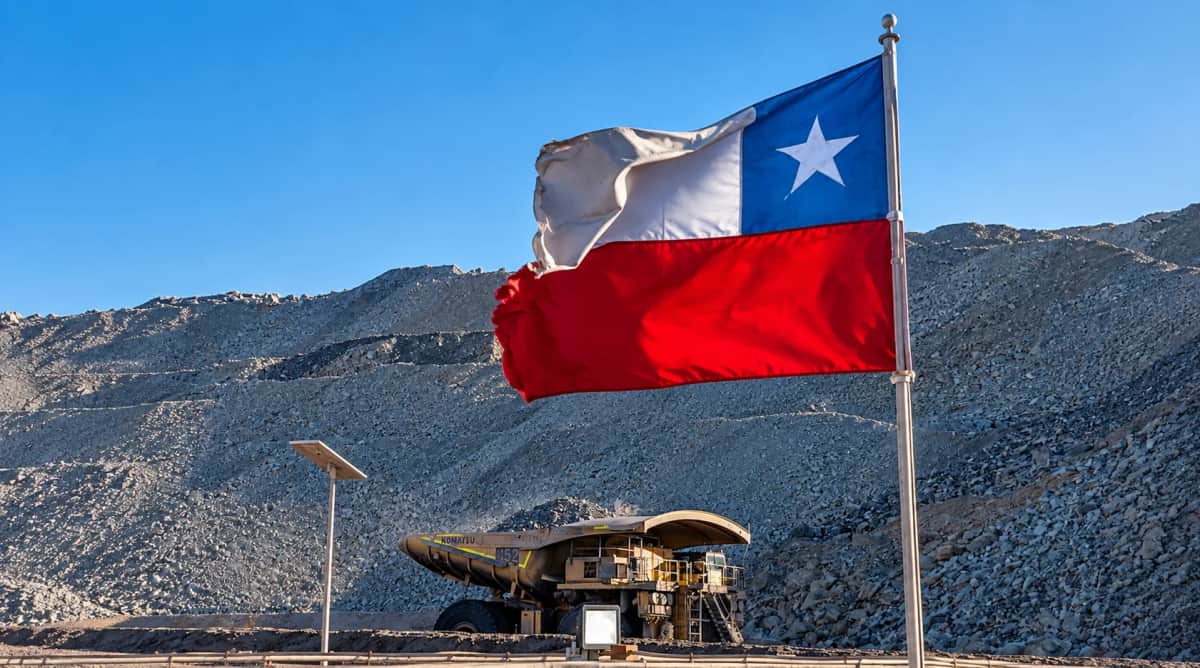
mining.com
Why it matters: Falling grades can make each pound of copper more costly to produce, while replacing depleted resources depends on exploration that may not deliver an economic discovery.
US$111,149 million — Chile's mining investment portfolio for 2026–2035, presented by Cochilco in November 2026.
81% — share of resources allocated to brownfield projects in Cochilco's 2025–2034 portfolio.
50% — hypothetical reduction in annual copper output if feed grade falls from 1.2% to 0.6% at unchanged throughput and recovery.
Chile's mining sector faces a two-sided challenge: established operations must manage declining grades and rising production demands, while greenfield exploration seeks deposits that could replenish the resource base. The contrast is reflected in Cochilco's investment data: its 2025–2034 portfolio directed 81% of resources to brownfield projects, while the portfolio presented in November 2026 totals US$111,149 million for 2026–2035.
The earlier allocation points to the weight of investment in known assets, but it is not a breakdown of the newer portfolio. Nor are brownfield mine expansions the same as greenfield exploration: the former may build on known deposits and infrastructure, while the latter investigates areas where the presence and economic potential of a deposit remain uncertain.
Lower grades put pressure on established operations
A mine cannot replenish the metal it has extracted. Operators can alter mine plans, sequence higher-grade zones and add resources, but they must balance near-term production against the economics of the whole deposit. Prioritising richer material can support short-term results while leaving more challenging production conditions ahead.
The effect of grade decline is clear in a hypothetical concentrator processing 10 million tonnes a year at 90% recovery. At a 1.2% copper feed grade, the example yields 108,000 tonnes of copper annually; at 0.6%, output falls to 54,000 tonnes if throughput and recovery remain constant. These are illustrative figures, not operating data for a specific mine.
The same example shows why stable costs per tonne do not necessarily mean stable costs per pound of copper. At an assumed processing cost of US$25 per tonne, the cost per pound in the model doubles as grade halves. The Central Bank of Chile said in August 2026 that falling mineral grades explain part of the country's stagnant copper production despite increased industry investment and capital employed.
More capacity can preserve output, but raises demands
To maintain 108,000 tonnes of annual copper production at a 0.6% feed grade, the hypothetical operation would need to process 20 million tonnes a year—twice its original throughput. That could require added crushing, milling, conveying, power, water and tailings capacity. Under the source material's illustrative assumptions, electricity use would rise from 200 GWh to 400 GWh and external water supply from 5 million to 10 million cubic metres.
Operators use grade control, blending, process optimisation, water recovery and equipment upgrades to manage these pressures. Codelco's Chuquicamata Underground project is an example of adapting an established operation: the company set out to convert the historic open pit into an underground mine and extend the division's productive life by at least 40 years. Such measures can support continuity, but cannot ensure that original grades persist indefinitely.
Greenfield exploration carries a different risk
Greenfield exploration starts with less operational information and no guarantee of a mine. Geological mapping, geochemical anomalies and geophysical models can guide work, but drilling and further studies must establish a deposit's existence, grade, size, continuity, depth, mineralogy and recoverability. A discovery may still prove uneconomic because of its characteristics or the costs of development.
That uncertainty distinguishes exploration capital from investment in a known operation with production history and potential cash flow. A deposit's theoretical contained-metal value is not a valuation or a forecast of revenue: extraction, processing, construction, taxes and financing all affect whether it can become a mine. The exploration challenge is to establish those technical and economic conditions before an unproven resource can support a development decision.
More in Resources
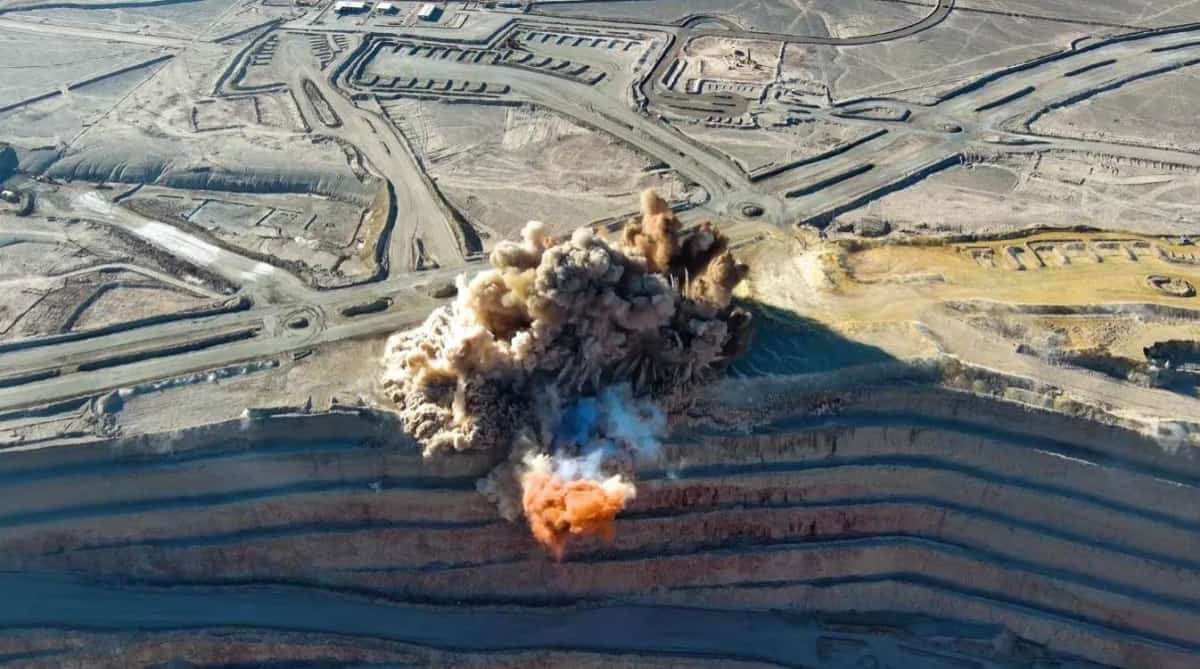
Chile’s copper energy use rises as output falls, putting ore grades in focus
With concentrators projected to take 55% of mining power by 2034, can equipment upgrades offset the changing rock entering the circuit?
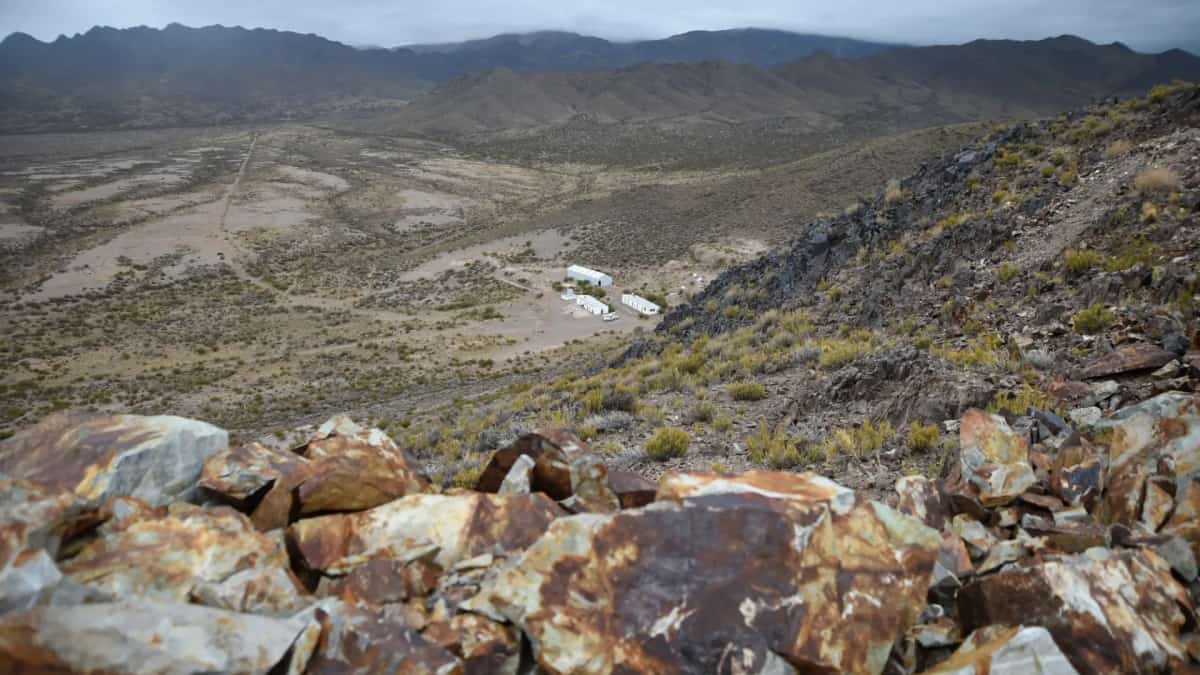
Argentina targets new copper mines as Chile spends to sustain mature operations
Seven advanced Argentine projects face a different test from Chile’s brownfield pipeline: turning proposed capacity into operating mines.
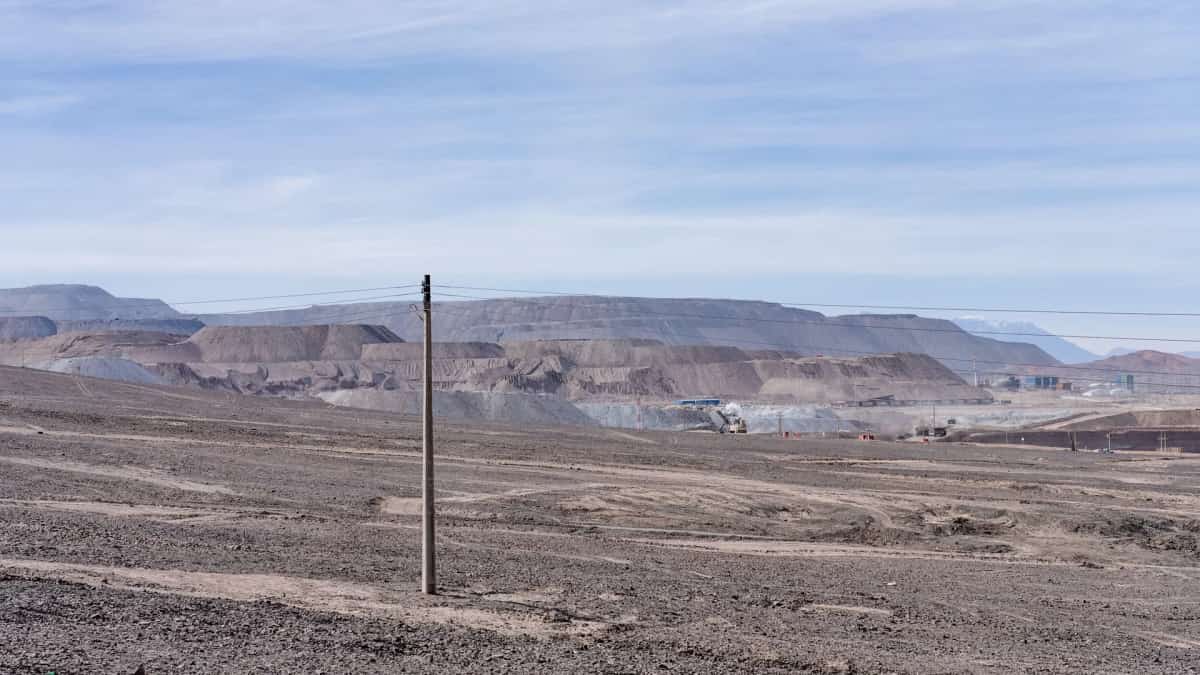
Chile's copper output gap could exceed US$11 billion, but not all is exploration
Cochilco's 2026 forecast sits below Chile's 2015 output, while ageing mines and operational disruptions complicate the cause.