
Chile mining deaths put contractor safety and chronic disease in focus
Contractors, transport workers and service providers share the operating chain, while some occupational harm can take years to detect.
Why it matters: Preventing fatalities and detecting occupational disease require mine operators to address hazards across the wider workforce and before illness becomes apparent.
13 deaths — mining fatalities reported for 2026 at the congress
11 in northern Chile — including four in the Antofagasta Region
20 workers — killed in 14 mining accidents in Chile in 2025
Nearly 400 participants — attended the Antofagasta meeting
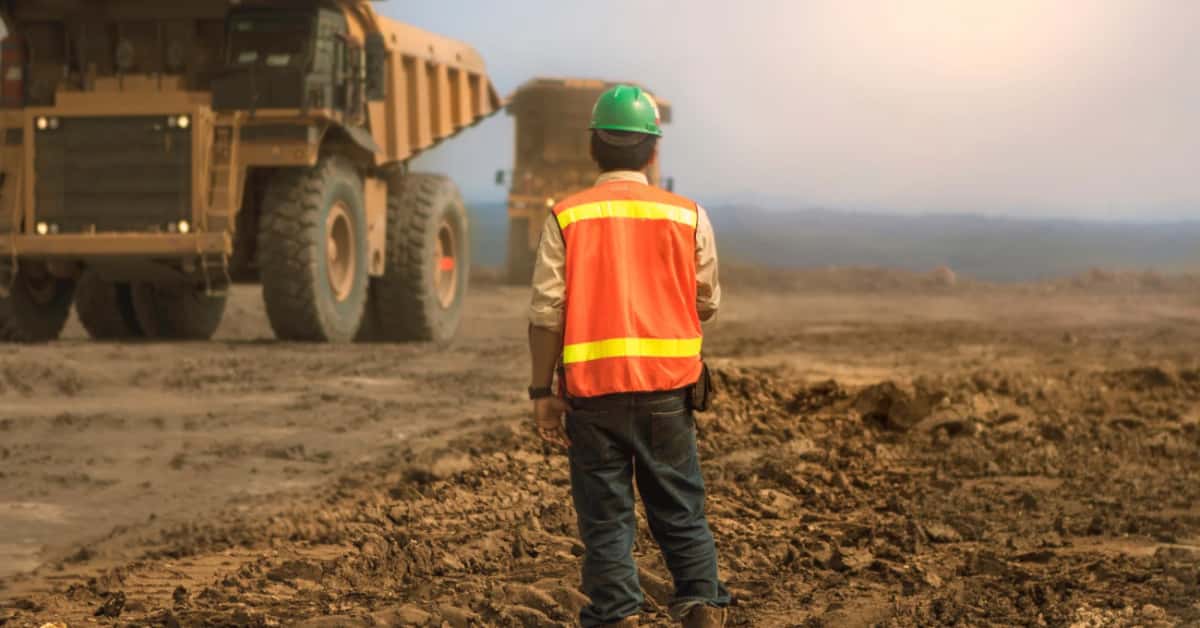
The IV Chilean Congress of Occupational Medicine, held in Antofagasta on November 19 and 20, brought fatal accident prevention together with the early detection of occupational diseases. SOCHMET president José Ignacio Méndez reported 13 mining industry deaths during 2026, according to figures he presented at the event. He said 11 occurred in the north, including four in the Antofagasta Region. Chile recorded 20 worker deaths in 14 mining accidents in 2025.
Méndez said the industry had made progress in occupational safety and health, but called for stronger prevention among mine workers and people employed by contractors, transport companies and service providers. “We cannot continue to tolerate work-related fatalities,” he said.
The agenda extended beyond accident prevention
Organised by SOCHMET with academic sponsorship from the University of Antofagasta, the congress drew about 400 national and international participants. Discussions covered both accident controls and health monitoring for exposures that can lead to occupational disease.
Topics included silica exposure and early detection of pneumoconiosis, a group of lung diseases associated with inhaled dust. Delegates also examined the effects of altitude on sleep, and the inclusion of fatigue and mental health in prevention strategies. Industrial hygiene and ergonomics featured in sessions on identifying workplace hazards and the conditions in which tasks are performed.
Méndez argued that prevention should start before health damage appears and requires coordination across disciplines. That approach broadens the focus from responding to individual incidents to identifying exposure and health risks earlier.
International speakers covered technology and workplace risks
Six international speakers took part, including Cas Badenhorst, a health and occupational hygiene specialist at Gold Fields, and Robina McCann, Anglo American’s senior vice-president of Safety, Health and Environment. Other speakers came from the universities of Wollongong, Calgary and Peruana Cayetano Heredia.
The programme included mining hygiene and ergonomics, as well as applications of artificial intelligence and digital models to identify and manage workplace risks. The congress did not provide specific performance results for those technologies.
Prevention call included contractors and transport providers
Méndez’s call to extend preventive measures to contractors, transport companies and service providers placed workers beyond a mine’s direct employees within the scope of workplace protection. He also cited recognition of Occupational and Environmental Medicine as a medical specialty in Chile and progress in specialist training. SOCHMET has more than 200 physicians, he said.
The meeting’s emphasis on early detection and a wider workforce sits alongside the fatality figures presented there. The figures were reported for 2026 at the November congress; the material provided no further breakdown by incident or employer.
More in Resources
Antofagasta export inspections reach plants, but specific risks remain undisclosed
Copper, molybdenum and lithium exports involve different processing and logistics stages before shipment.
Argentina mining exports rise 52.5%, while October weakens across precious metals
A widening split between the country’s largest export lines and its fastest-growing product shaped the monthly result.
Peru’s artisanal miners contest Reinfo deadline as strike threat grows
More than 9,000 rallied in Puno, while the proposed replacement law faces objections from alluvial miners.