
Argentina mining exports rise 52.5%, while October weakens across precious metals
A widening split between the country’s largest export lines and its fastest-growing product shaped the monthly result.
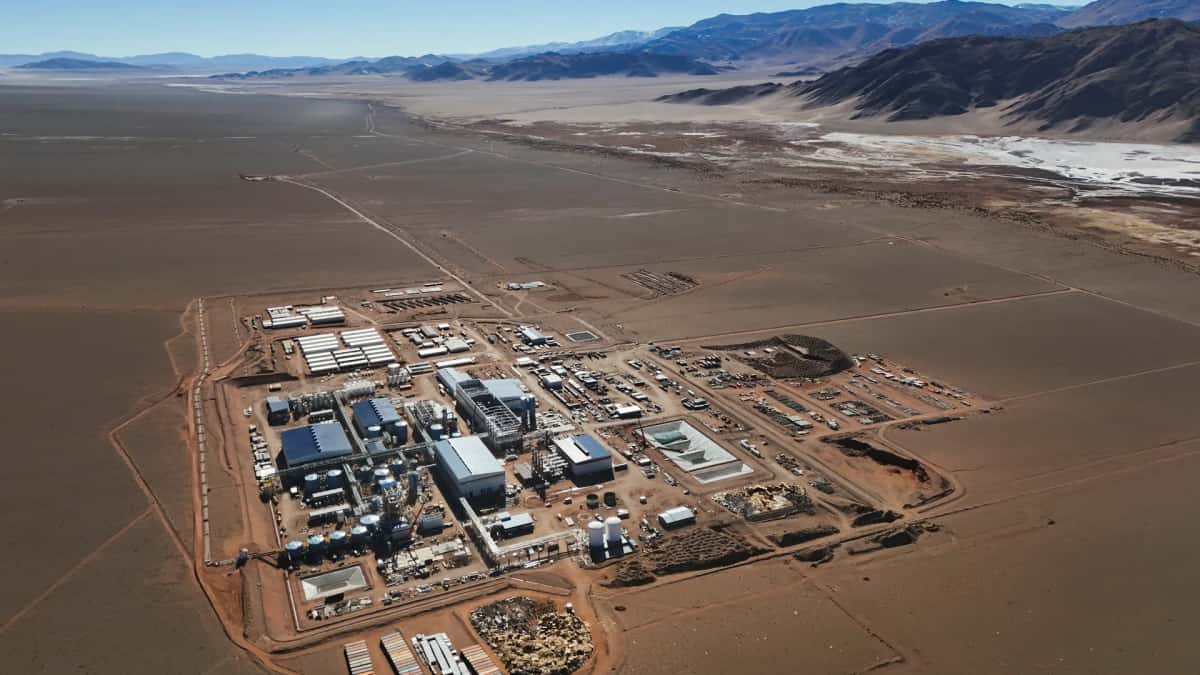
reuters.com
Why it matters: Argentina’s export earnings remain concentrated in a few minerals, making monthly performance sensitive to contrasting trends in gold, silver and lithium.
US$7.455 billion — mining exports from January to October, up 52.5% year on year.
US$660 million — October exports, down 1.2% from October 2025.
US$4.407 billion — gold exports in the first ten months, the largest commodity total.
162.2% — year-on-year growth in lithium exports through October, the strongest increase among major products.
Argentina’s mining exports totalled US$7.455 billion from January to October 2026, up 52.5% year on year, according to the country’s Secretariat of Mining. October shipments, however, fell 1.2% from a year earlier to US$660 million as lower gold and silver exports outweighed a rise in lithium.
The ten-month increase followed a stronger first-half comparison: an August report put exports for the first six months at US$4.742 billion, up 74.4% year on year. The figures show different trajectories by product and province; the October decline came despite continued growth in lithium shipments.
Lithium grows as gold retains the largest export total
Gold remained Argentina’s leading mining export for the period, generating US$4.407 billion, up 32.1% year on year. In October, gold exports fell 9.6% to US$383 million.
Lithium exports reached US$1.858 billion in the first ten months, a 162.2% increase. The commodity was also the only one of the three largest export products to record October growth: shipments rose 61.5% year on year to US$184 million.
Silver exports totalled US$869 million through October, up 40.9%, but fell 46% year on year in October to US$55 million. Gold represented 58.1% of mining exports that month, lithium 27.8% and silver 8.4%. Together, the three accounted for 94.3% of the monthly total.
Santa Cruz leads provincial exports as San Juan falls
Five provinces accounted for 96.6% of October mining exports. Santa Cruz led with 41.1% of the total, followed by Jujuy at 17.9%, Salta at 15.7%, San Juan at 13.6% and Catamarca at 8.3%.
Santa Cruz exported US$271 million in October, down 10.7% year on year, while its January-to-October total rose 54.7% to US$2.898 billion. Metallic minerals made up 99.7% of the province’s October shipments; gold accounted for 88.8% and silver 10.9%.
San Juan’s October exports dropped 41.7% to US$90 million, although its ten-month total increased 2.4% to US$1.516 billion. Gold made up 94.8% of the province’s mining exports in October.
In the northwest provinces of Catamarca, Jujuy and Salta, October mining exports rose 37.8% to US$277 million. The region’s ten-month total reached US$2.882 billion, up 97.7%. Lithium represented 66.4% of regional mining exports in October, with metallic minerals contributing 30.8%.
October mining trade surpluses narrow
Companies included in the Secretariat of Mining’s project portfolio recorded a US$535 million trade surplus in October, down 11.3% year on year. Their January-to-October surplus increased 54.9% to US$6.580 billion. In October, imports were equivalent to 14.8% of exports, compared with 5.7% a year earlier; the ratio for the ten-month period was 8.4%, down from 9.6%.
A separate balance covering Argentina’s broader trade in mineral products showed a US$478 million October surplus, 14.6% lower year on year. Imports rose 67.7% to US$182 million. Metallic minerals accounted for US$148 million of those purchases, up 82.2% from October 2025.
The two trade balances cover different groups: one tracks companies in the project portfolio, while the other covers imports and exports of mineral products across Argentina. Their totals and import ratios therefore should not be combined.
More in Resources
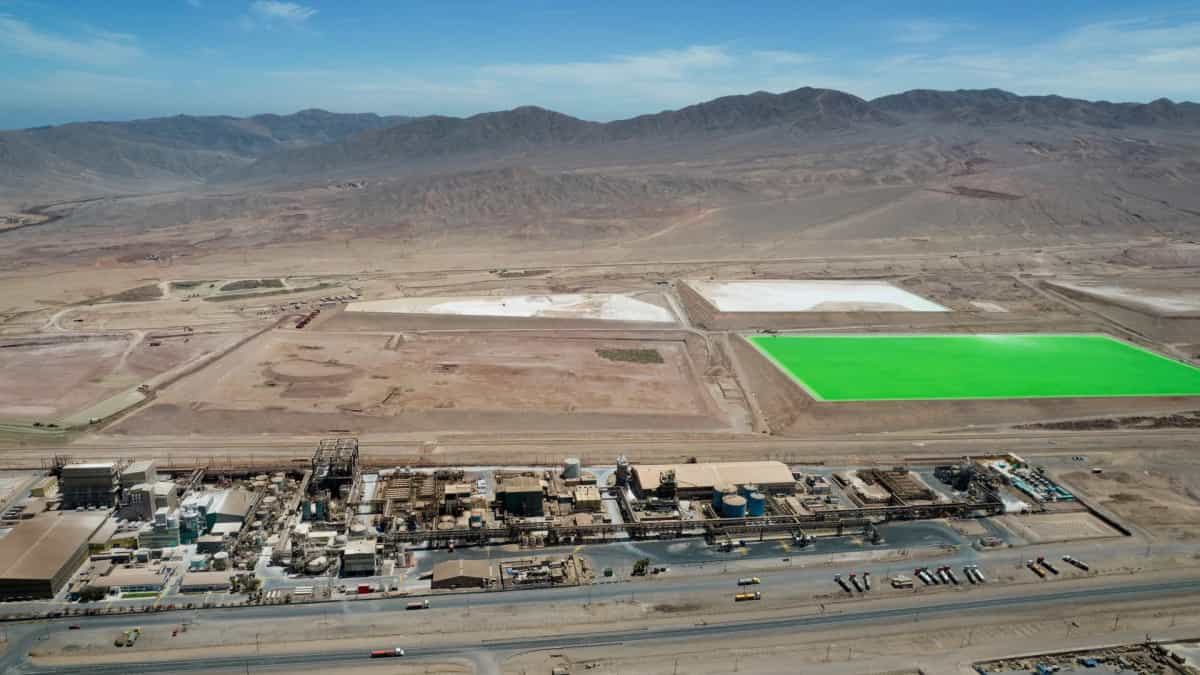
Antofagasta export inspections reach plants, but specific risks remain undisclosed
Copper, molybdenum and lithium exports involve different processing and logistics stages before shipment.
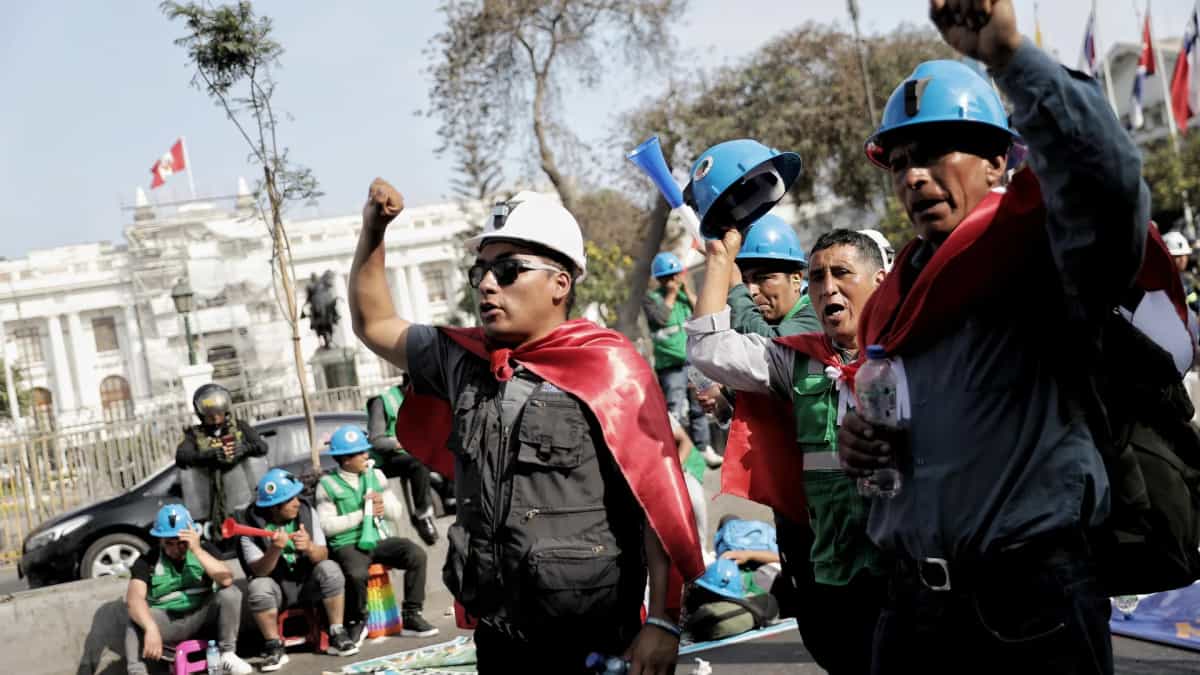
Peru’s artisanal miners contest Reinfo deadline as strike threat grows
More than 9,000 rallied in Puno, while the proposed replacement law faces objections from alluvial miners.
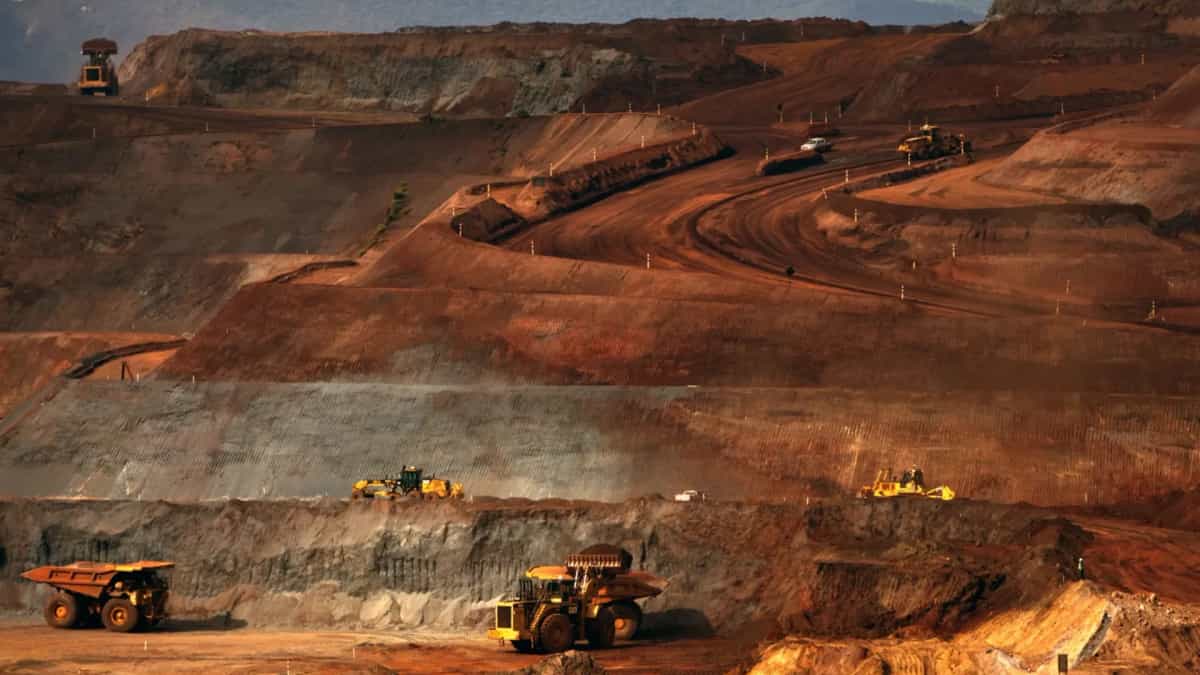
Cajamarca’s copper pipeline tops US$16 billion, but production remains elusive
Michiquillay’s original 2016 start-up target has receded, leaving the region’s broader build-out dependent on projects yet to advance.