
Cajamarca’s copper pipeline tops US$16 billion, but production remains elusive
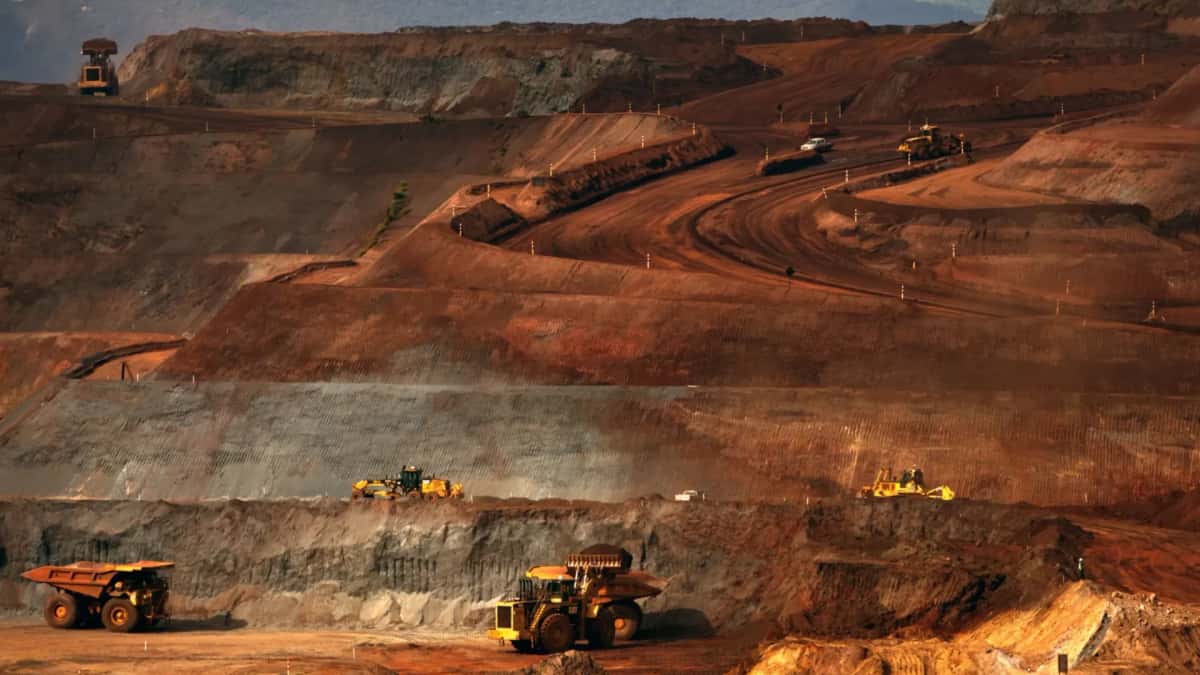
Michiquillay’s original 2016 start-up target has receded, leaving the region’s broader build-out dependent on projects yet to advance.
riotimesonline.com
Why it matters: Cajamarca’s project pipeline could reshape Peru’s copper output, but delays mean that prospective production and related investment remain unrealised.
More than US$16 billion — combined potential investment in five Cajamarca copper projects.
About 1.5 million tonnes a year — potential copper output if the main projects advance, equivalent to roughly 60% of current national production.
225,000 tonnes a year — projected output at Michiquillay, which has an estimated development cost of about US$2 billion.
S/13.095 billion and S/123.012 billion — investment and production, respectively, estimated by the IPE to have been deferred across three projects from 2008 to 2024.
Cajamarca’s five major copper projects—Michiquillay, Conga, Galeno, La Granja and Cañariaco Norte—represent more than US$16 billion in potential investment, but none has yet become a new operating mine. If the projects advance, they could collectively add about 1.5 million tonnes of copper a year, close to 60% of Peru’s current production.
Michiquillay, awarded to Southern Peru, has a more defined development profile than most of the regional portfolio. The project contemplates investment of about US$2 billion and annual production of 225,000 tonnes of copper. Those figures remain projections, however, rather than output from a producing operation.
Michiquillay’s timeline has shifted beyond 2030
The project’s schedule illustrates the distance between Cajamarca’s potential and production. Michiquillay was originally expected to begin operating in 2016. An estimate cited by the Peruvian Institute of Economy (IPE) places its development after 2030.
The delay also postpones economic activity beyond mine production. A project of this scale could generate demand for transport, construction, power, maintenance, metalworking and technology services, as well as direct and indirect employment and supplier purchases. Regional supplier development, workforce training and improved road and energy links have been identified as possible elements of a broader development strategy; they are not outcomes already delivered by the projects.
IPE estimates the cost of delays across three projects
The IPE assessed delayed investment and production at Tía María in Arequipa, Los Chancas in Apurímac and Michiquillay in Cajamarca over 2008–2024. It estimated that S/13.095 billion in investment was not carried out and S/123.012 billion in production was postponed.
The institute also estimated S/50.782 billion in foregone tax revenue for Arequipa, Apurímac and Cajamarca combined. That figure applies to the three regions and projects together; it is not a Cajamarca-only estimate. The available analysis does not detail how the estimates were calculated, so they should be treated as IPE estimates, not as cash that was necessarily spent or collected.
Copper’s export role adds to the stakes
Copper accounts for close to 30% of Peru’s exports, according to figures cited in the analysis. Electrification, power grids, renewable energy and electric vehicles underpin expectations of stronger global demand over the coming decades, but that outlook does not remove the execution gap facing the Cajamarca projects.
The immediate measure of progress remains whether the proposed developments move toward construction and operation. For Michiquillay, the estimate cited by the IPE places production after 2030, compared with the project’s original 2016 start-up target.
More in Resources
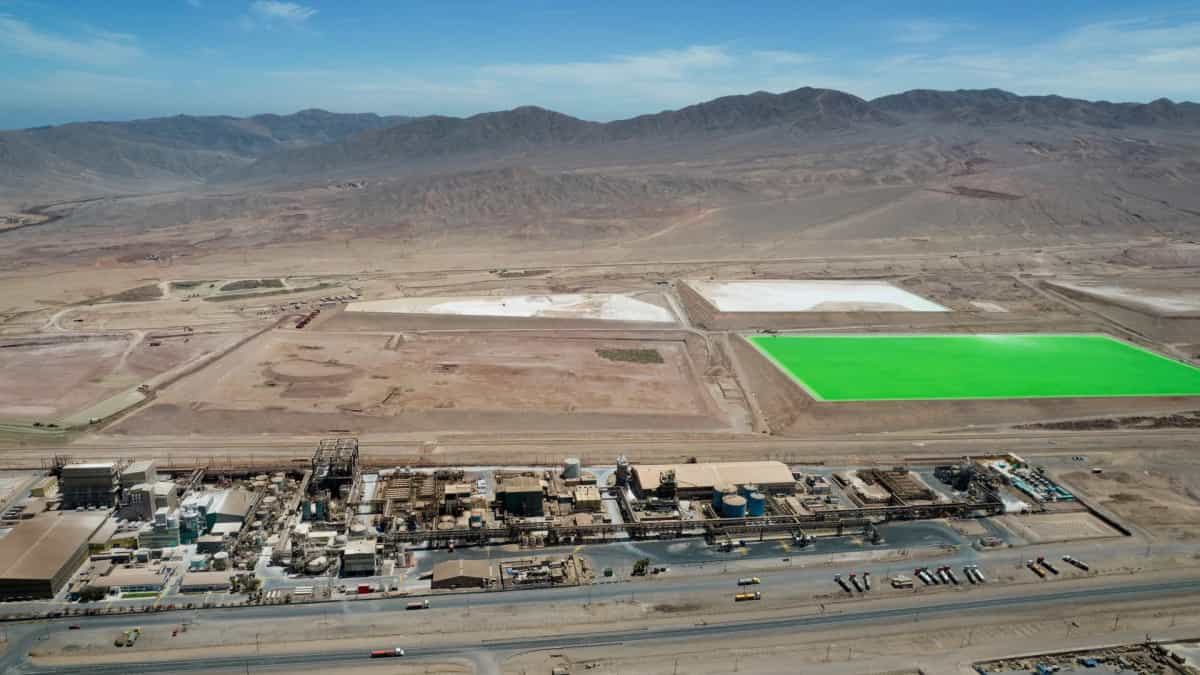
Antofagasta export inspections reach plants, but specific risks remain undisclosed
Copper, molybdenum and lithium exports involve different processing and logistics stages before shipment.
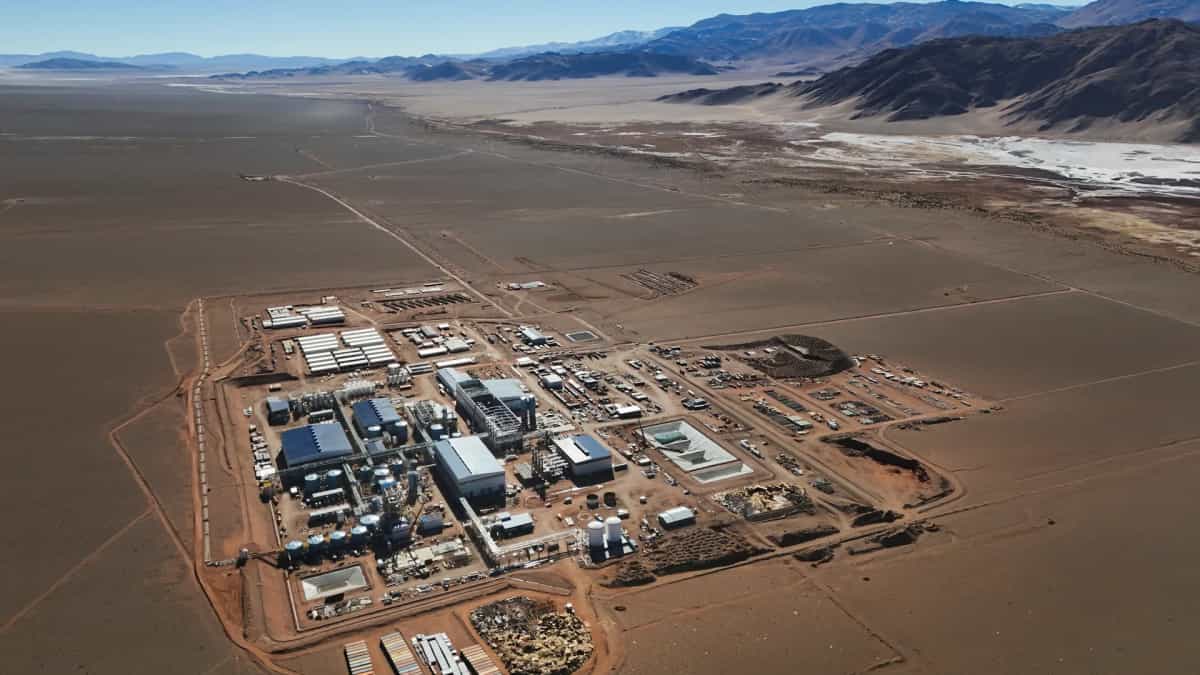
Argentina mining exports rise 52.5%, while October weakens across precious metals
A widening split between the country’s largest export lines and its fastest-growing product shaped the monthly result.
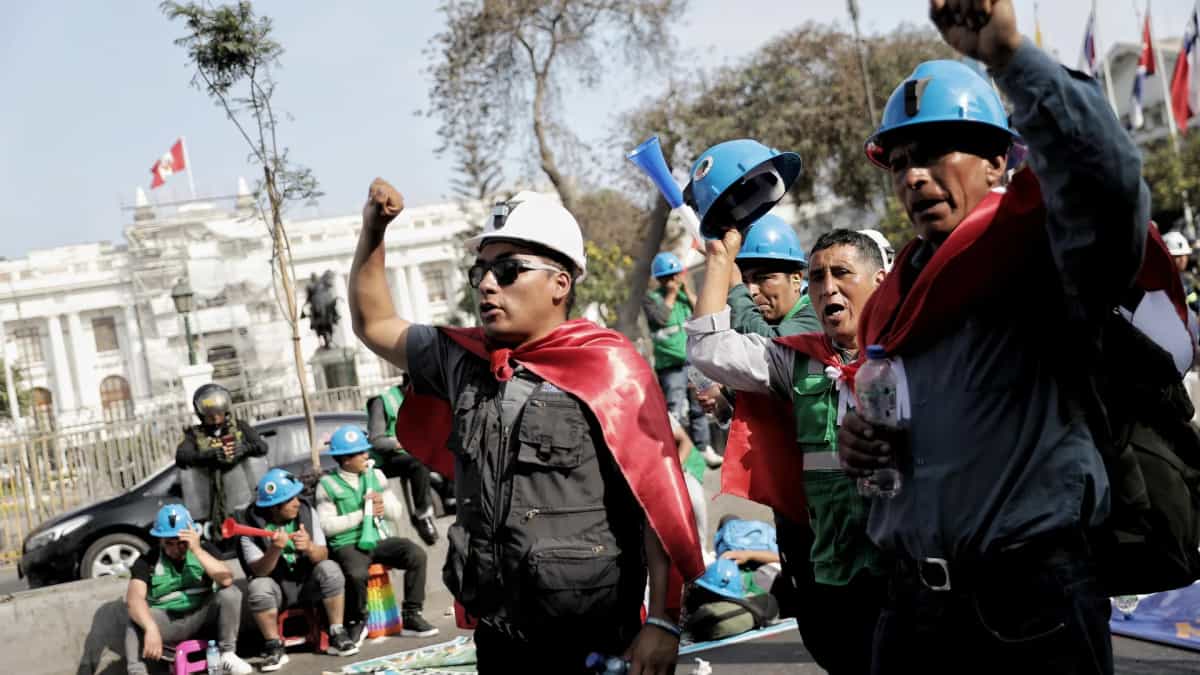
Peru’s artisanal miners contest Reinfo deadline as strike threat grows
More than 9,000 rallied in Puno, while the proposed replacement law faces objections from alluvial miners.