
Chile leads Congo in copper output, but can its mines defend that edge?
Much of Chile's planned mining investment is tied to existing operations, while Congo's copper belt is still expanding.
canadianminingjournal.com
Why it matters: Chile's production lead depends increasingly on processing more material and using more power, while Congo's richer ore offers a different route to growth.
5.3 million tonnes vs 3.2 million tonnes — estimated 2025 copper output in Chile and Congo, respectively.
0.7% vs 2.9% — estimated average milling grades in Chile and Congo in 2025.
27.6 TWh to 33.2 TWh — Cochilco's projected increase in Chilean copper mining's electricity use from 2025 to 2034.
US$2.16/lb — Kamoa-Kakula's reported 2025 C1 cash cost, compared with US$1.81/lb for Chile's large-scale copper mining sample.
Chile produced more copper than the Democratic Republic of the Congo in 2025, but the gap in output contrasts with a substantial difference in ore grades. US Geological Survey estimates put Chile's production at about 5.3 million tonnes and Congo's at 3.2 million tonnes; together, the countries accounted for roughly 37% of global mine production.
Wood Mackenzie estimates put the average grade of ore milled at 0.7% in Chile and 2.9% in Congo. That means a tonne of ore contains about 7 kilograms of copper in Chile and 29 kilograms in Congo, before processing losses. The grade comparison points to a geological advantage for Congo, but it does not by itself establish which country's mines are more profitable or efficient overall.
Higher grades reduce the ore required per tonne of copper
On a theoretical basis, Chile would need about 143 tonnes of ore to contain one tonne of copper, compared with 34.5 tonnes in Congo. Those figures do not account for metallurgical recovery. At a hypothetical 90% recovery, the estimates rise to about 159 tonnes for Chile and 38 tonnes for Congo.
Processing less ore for the same recovered metal can affect plant capacity, energy and input requirements, and the volume of waste generated per unit of copper. Actual outcomes depend on recovery rates, operating conditions and the characteristics of individual deposits; the grade comparison is not a direct measure of mine costs.
Chile's established mines face a different challenge. As operations age and mine deeper, they may have to move material farther and process lower-grade feed. The Central Bank of Chile said in 2026 that declining grades were an important factor behind sector output stagnation despite investment growth. Some capital spending, the bank noted, is needed to offset productivity losses rather than increase production.
Cochilco forecasts Chilean copper mining electricity consumption will rise from 27.6 TWh in 2025 to 33.2 TWh in 2034, a 20.2% increase, while projected production growth is 8.3% over the period.
Congo adds capacity, but costs complicate the comparison
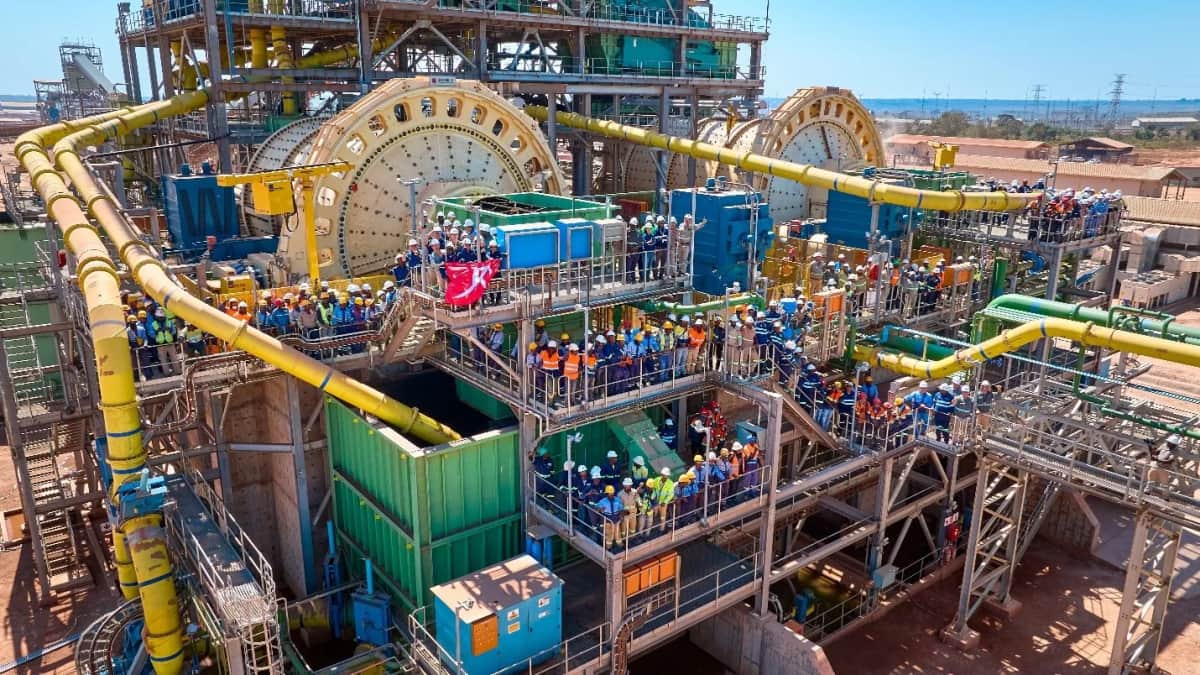
Congo's growth is concentrated in the Central African Copperbelt, where operations including Kamoa-Kakula, Tenke Fungurume and Kisanfu have attracted international investment. Kamoa-Kakula, developed by Ivanhoe Mines and its partners, processed about 14.3 million tonnes of ore in 2025 at an average grade of 3.14%, producing 388,841 tonnes of copper in concentrate. CMOC has said it is targeting annual copper production of 800,000 to 1 million tonnes from its Congolese operations by 2028.
Higher grades have not guaranteed lower costs. Cochilco's sample, representing more than 94% of Chile's copper output, recorded an average 2025 cash cost of US$1.81 per pound. Kamoa-Kakula reported a C1 cash cost of US$2.16 per pound for 2025, rising to US$2.80 per pound in January-September 2026. Operational difficulties, higher energy costs and constraints on access to higher-grade ore affected the operation, according to the material reported.
The figures are not a like-for-like national cost comparison: no recent average for Congo's entire copper industry is available. Chile also benefits from a developed supplier base, ports, skilled labour and a more developed electricity system, while Congo faces infrastructure, power, regulatory and social challenges. Cobalt production at some Congolese deposits can provide an additional revenue stream.
Chile's output outlook turns attention to new deposits
Cochilco projected in its third-quarter 2026 report that Chile would produce 4.94 million tonnes for the year, an 8.4% decline against its 2025 comparison base. That forecast uses a different source and comparison basis from the USGS 2025 estimate cited above.
The Central Bank of Chile said about 80% of the 2025-2034 mining investment pipeline is brownfield work to maintain or expand existing operations. Such projects support continuity, but adding processing capacity does not by itself reverse falling ore grades. The bank's assessment leaves exploration for higher-grade deposits, including near existing infrastructure, as one factor in how Chile can sustain output; Cochilco's full-year production forecast is the next near-term benchmark.
More in Resources
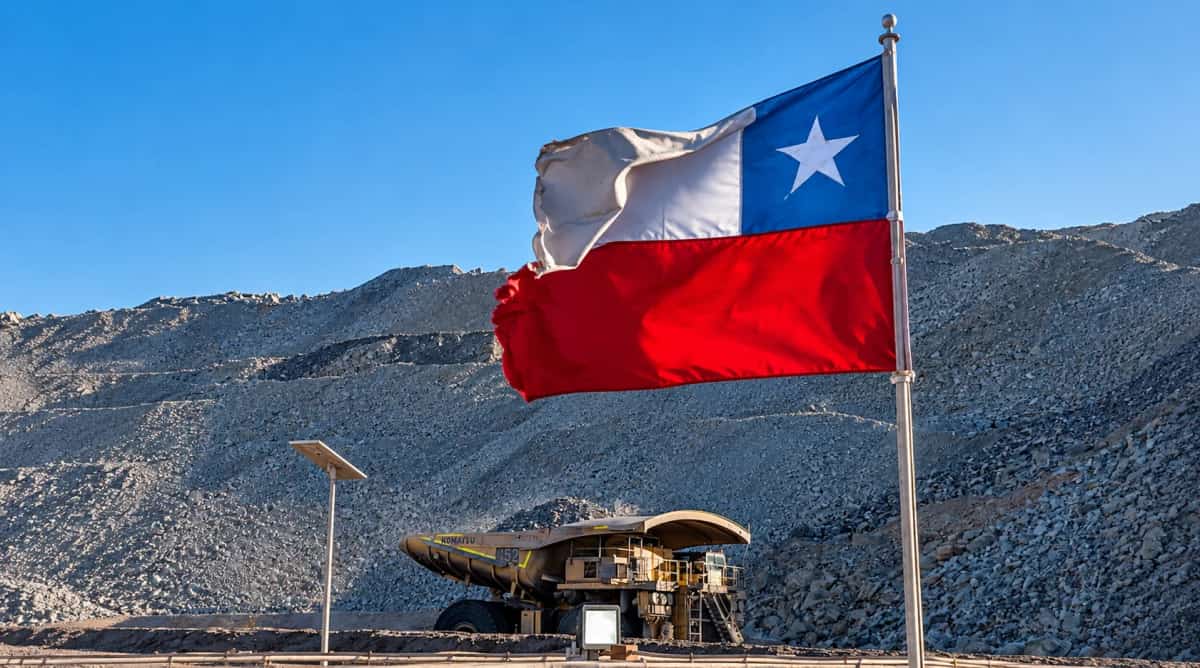
Chile's mining investment leans on brownfields as falling grades test future output
Mature operations must process more material to sustain copper output, while new exploration still has to establish what lies beneath untested ground.
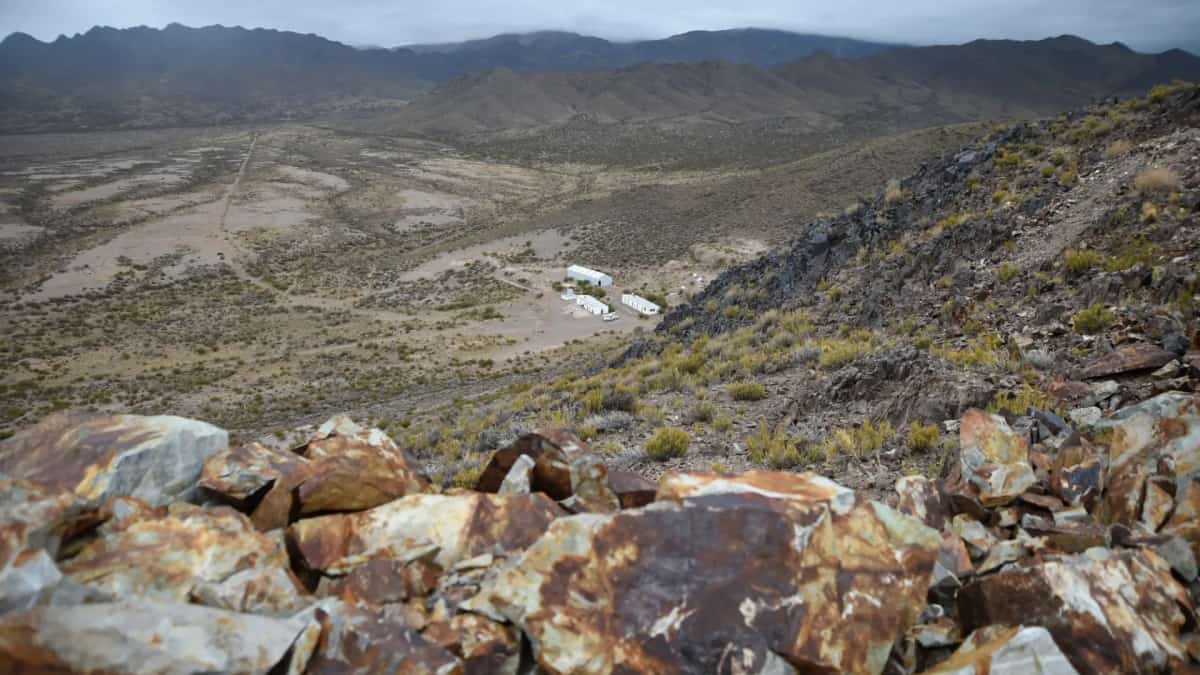
Argentina targets new copper mines as Chile spends to sustain mature operations
Seven advanced Argentine projects face a different test from Chile’s brownfield pipeline: turning proposed capacity into operating mines.
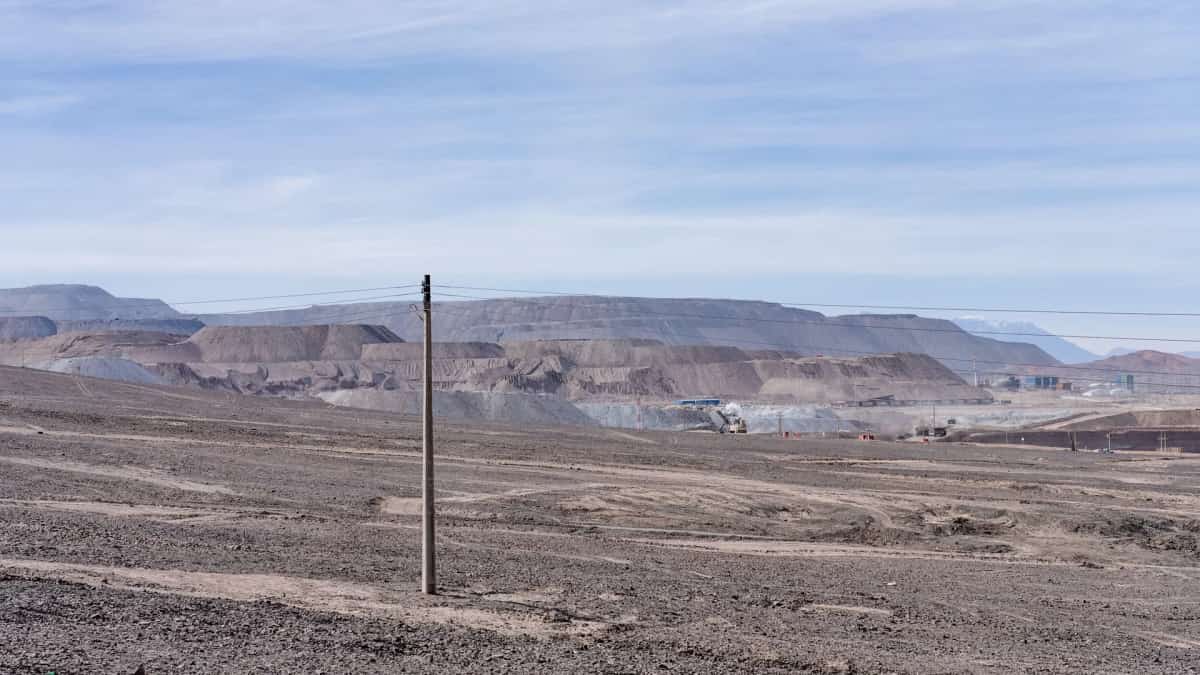
Chile's copper output gap could exceed US$11 billion, but not all is exploration
Cochilco's 2026 forecast sits below Chile's 2015 output, while ageing mines and operational disruptions complicate the cause.