
Candelaria and Caserones put Chile's Mining 5.0 agenda to an operational test
Copiapó's four-day convention will pair digital tools with a question facing mine operators: how do teams turn data into safer, more productive decisions?
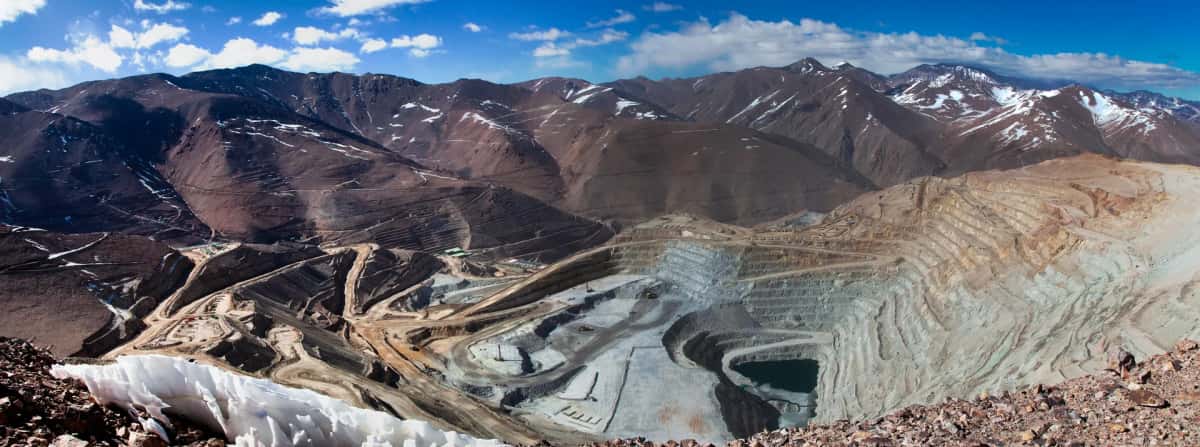
latercera.com
Why it matters: The debate links digital investment and operational performance to the people, infrastructure and resources needed to sustain Chile's copper industry.
75th — annual convention of Chile's Institute of Mining Engineers
29 November–2 December — dates for the Copiapó event
31 years — Candelaria's operating history
2040 — end date of Candelaria's approved Operational Continuity Project environmental impact assessment
The leaders of Candelaria and Caserones will put operational experience at the centre of Chile's 75th annual mining engineers convention in Copiapó, where the programme will examine how technology, workforce capabilities and sustainability can be applied at mine sites.
Organised by the Institute of Mining Engineers of Chile (IIMCh), the convention will run from 29 November to 2 December under the theme “Mining 5.0: The Future We Build Today.” Leonardo González Alcayaga, Candelaria's president and chief executive, and Marcelo Maccioni, Caserones' managing director, will lead activities at the event. Lundin Mining is the principal sponsor.
Candelaria ties operating performance to regional continuity
The programme is organised around sustainability and social legitimacy; talent and new skills; and productivity and innovation. González said the convention should provide a forum to share experience and strengthen cooperation, with people and innovation central to discussions about productivity, competitiveness and technological change.
He pointed to Chile's geological potential, mining experience, infrastructure and specialised workforce as strengths for copper production. Developing new projects and reinforcing existing operations, he said, also depends on regulatory stability, efficient and predictable permitting, and access to water and energy. He called for collaboration among companies, authorities, universities and communities.
González cited Candelaria's Full Potential programme as an example of its approach to operational excellence. The initiative is intended to capture value from the operation's assets through efficiency and productivity work, collaboration across teams, and the use of innovation and technology in critical processes. He said safety, productivity and efficiency need to advance together.
He also linked the mine's future to its regional relationship. Candelaria's Operational Continuity Project has an approved environmental impact assessment through 2040, which González said provides stability for employment and investment. The company intends to maintain its regional presence through its operations, workforce development and social investment.
Caserones focuses on data and workforce capability
Maccioni said the convention aims to connect strategic discussion with operational challenges. For him, Mining 5.0 is not simply the addition of digital tools: it requires reliable data, experienced teams able to interpret that information and timely decision-making in daily planning and management.
He identified artificial intelligence, advanced analytics, digital twins and automation as tools that can help anticipate risks, improve equipment reliability and optimise processes. Their application, he said, depends on teams being equipped to use the information effectively.
The programme will also address engineering and business decisions involving efficient water and energy use, safe tailings management, emissions reduction and circularity. Alongside technical sessions, keynote presentations, specialist symposia and networking, the convention includes field visits in Copiapó. The agenda brings technology and workforce development into the same discussion, while leaving the practical question of how those priorities translate into site-level decisions for the participating operations and projects.
More in Resources
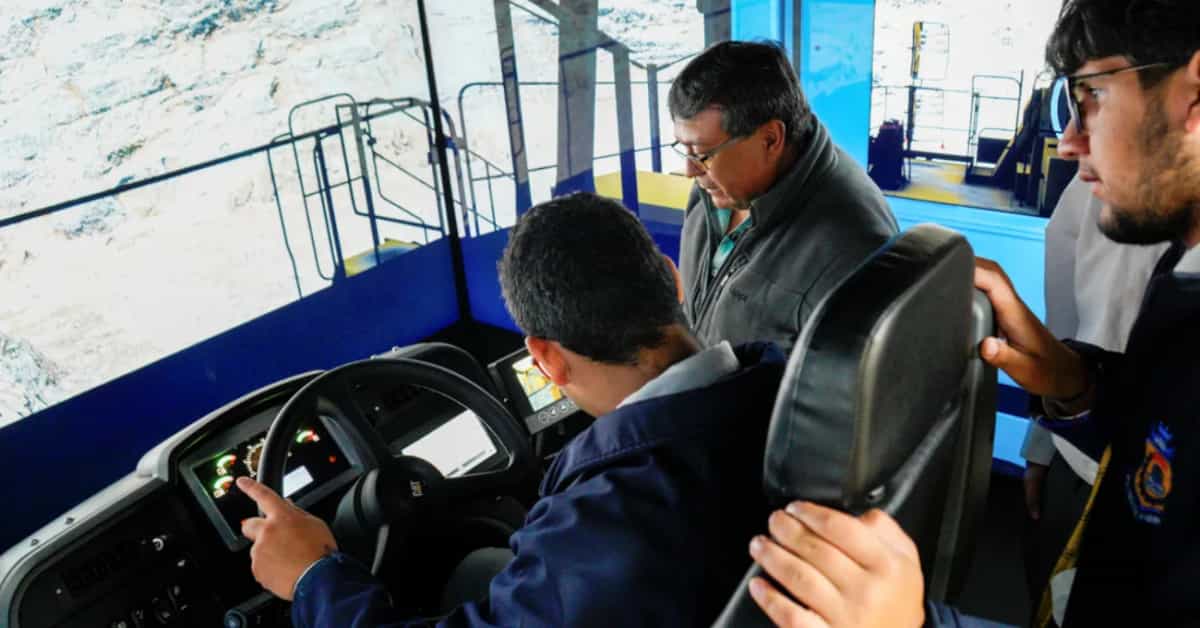
Codelco Andina puts remote mine operations on display for Chilean students
The visit puts mining and electrical specialisms alongside the control systems coordinating work in the high Andes.
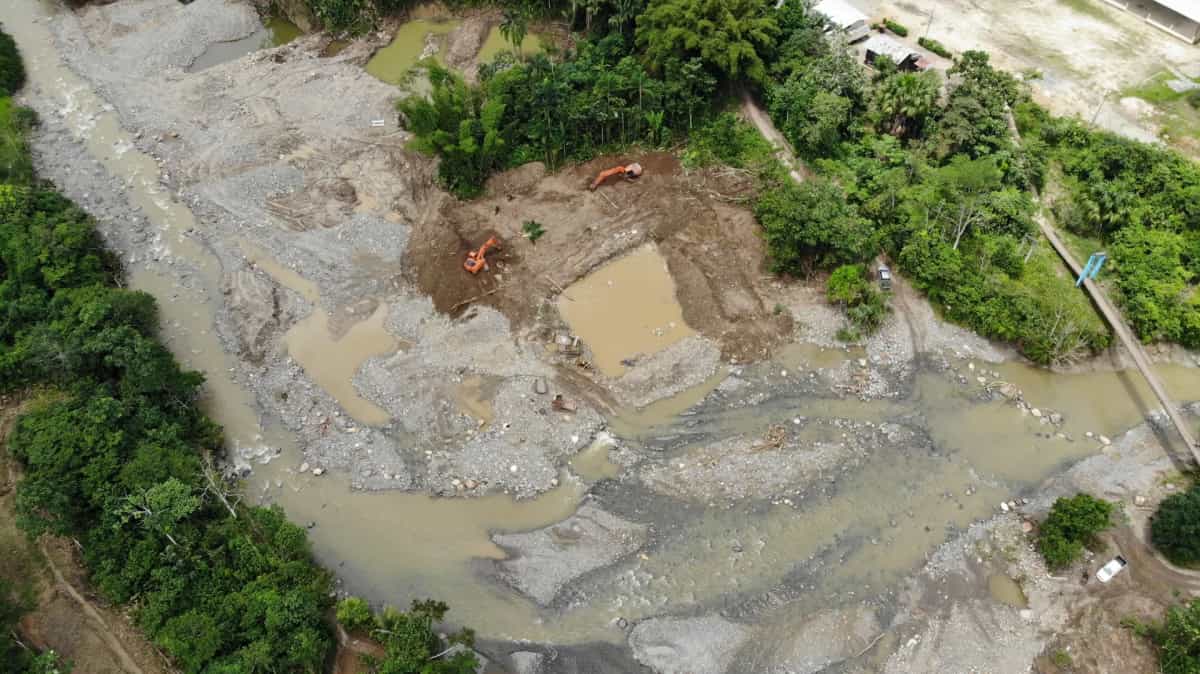
Ecuador reaffirms US security ties as reported pause clouds illegal-mining campaign
A review linked to a September operation in Manabí puts joint action against criminal gold networks under scrutiny.

Copper falls 3.5% as US cathodes shift to China despite tight Asian supply
The Pacific market is tightening, and a two-week shipping window leaves little room for the cathode flow to be quickly reversed.