
BHP's US$9.737bn Vicuña copper plan advances, but construction still hinges on a decision
Road works and supplier contracts are moving ahead in San Juan, while the partners continue the technical and financial work needed for the next step.
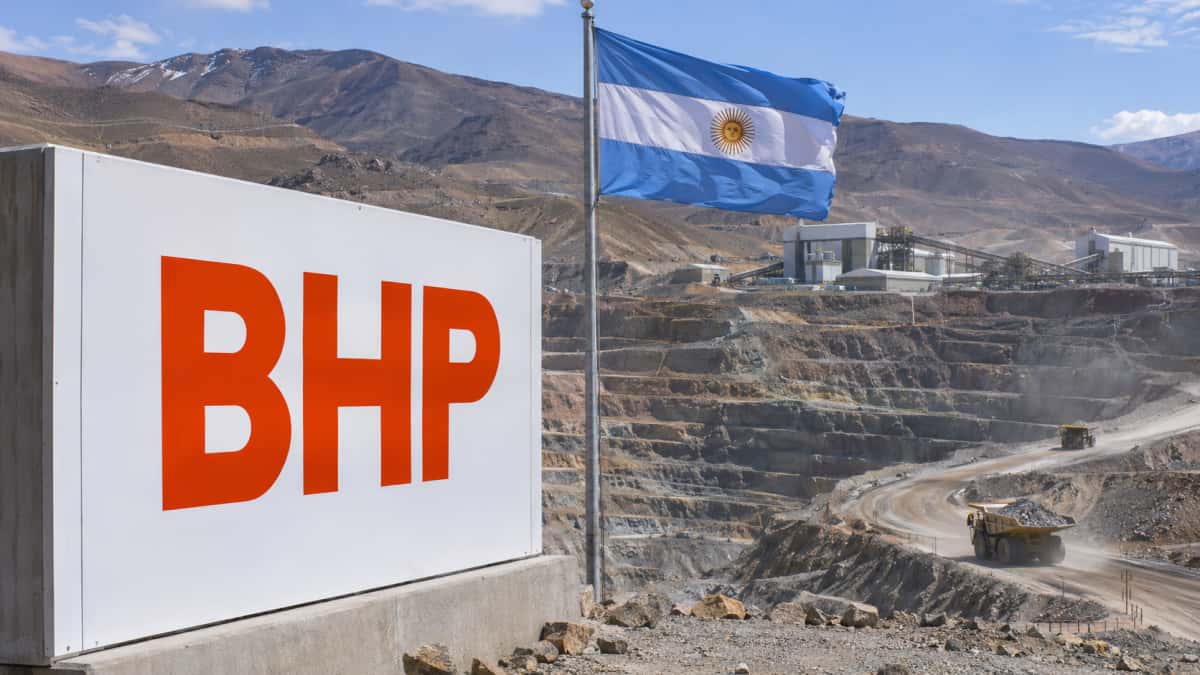
Why it matters: Vicuña could establish a major new source of copper in Argentina, but its scale makes the partners’ final investment decision the critical gate to construction.
US$9.737 billion — Vicuña investment plan approved under Argentina’s RIGI on July 30, 2026.
400,000 tonnes — projected average annual copper production during the first 25 full operating years.
47 million tonnes — copper contained in identified resources across the project, according to the figures reported.
US$207.6 million — Lundin Mining’s Vicuña capital spending during the first nine months of 2026.
BHP and Lundin Mining are advancing the Vicuña copper district in San Juan, Argentina, but have not yet made a final investment decision on construction. The partners are continuing engineering, infrastructure preparation and service-provider contracting as they work towards a decision targeted for the end of 2026.
The project combines the Josemaría and Filo del Sol deposits in the Andes, near the Chilean border. BHP and Lundin each hold a 50% interest in the development. Argentina approved Vicuña’s US$9.737 billion investment plan under its Incentive Regime for Large Investments (RIGI) on July 30, 2026; that approval is separate from the partners’ decision to proceed with construction.
Integrated deposits underpin Vicuña’s scale
The joint venture was formalised in January 2025 after the acquisition of Filo Corp. and the formation of Vicuña Corp. The deposits lie about 10 kilometres apart, allowing the partners to assess a combined development and shared infrastructure. Josemaría is the more advanced component, while Filo del Sol contains copper, gold and silver mineralisation with further growth potential, according to the project description.
An integrated technical study presented on February 16, 2026, outlined average annual production of 400,000 tonnes of copper, 700,000 ounces of gold and 22 million ounces of silver during the first 25 full years of operation. The project’s identified resources contain about 47 million tonnes of copper, up from 38 million tonnes reported at the end of June 2025.
Those figures cover the whole project, not BHP’s share, and identified resources are not necessarily economically mineable reserves. The scale of the proposed operation therefore remains subject to technical, economic and financial evaluation.
Spending and road work move ahead before FID
Lundin reported US$207.6 million in capital spending on its Vicuña interest during the first nine months of 2026, up from US$126 million in the comparable 2025 period. Third-quarter spending was US$81 million. The higher outlay reflects intensified preparation, but does not itself commit the partners to build.
On November 25, a joint venture of Minera Zlato and José J. Chediack was reported to have secured work on an approximately 50-kilometre high-altitude section of the Northern Corridor. The road is intended to support the movement of equipment, materials, workers and supplies to the future mine sites. Electricity, water supply, processing facilities and accommodation are also part of the infrastructure requirements described for a development of this scale.
Argentina forms part of BHP’s wider copper push
Vicuña is not BHP’s only Argentine copper initiative. In August 2026, the company’s exploration division partnered with Kobrea Exploration to investigate seven properties covering more than 733 square kilometres in Mendoza’s Western Mining District. The agreement provides for potential investment of up to US$40 million per project, subject to exploration results and contractual conditions. BHP Exploraciones Argentina and Impulsa Mendoza also signed an exploration agreement with an option to purchase for the El Seguro copper project on November 19.
These Mendoza properties remain at the exploration stage and depend on drilling, resource definition and economic assessment. BHP has said its portfolio in Chile, Australia and Argentina could raise its copper production by about 40% by financial year 2035. For Vicuña, the immediate next step is completion of the partners’ technical, economic and financial assessments ahead of their targeted year-end investment decision.
More in Resources
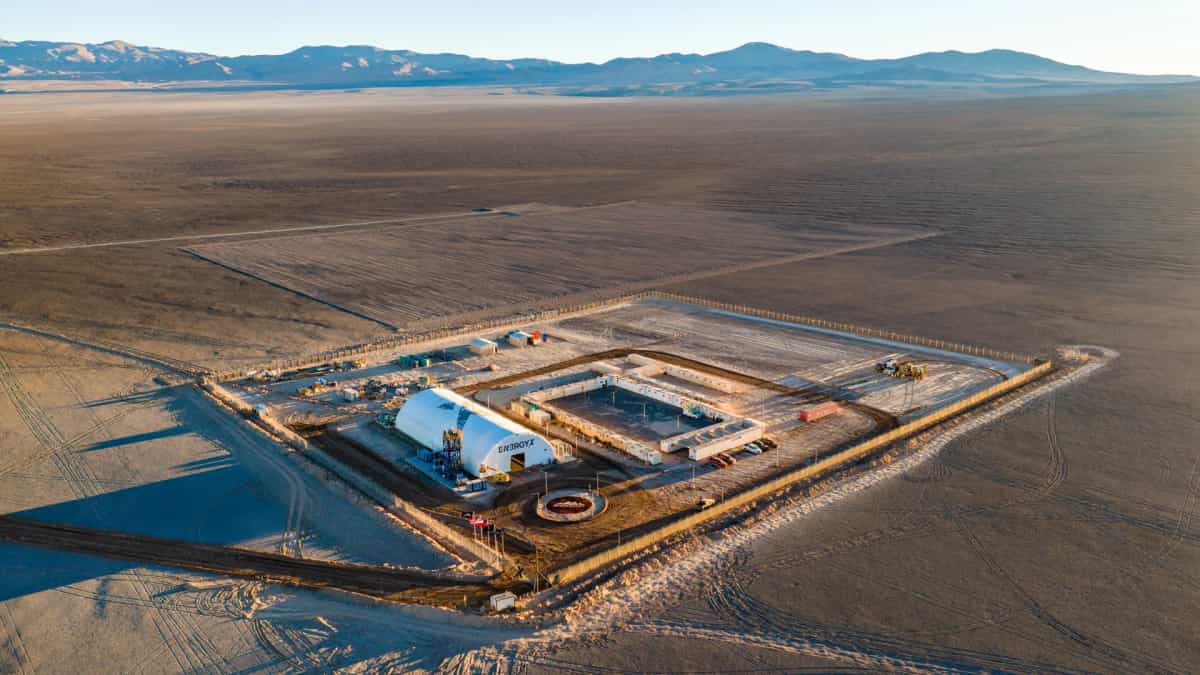
Chile litigation covers 43% of major-project investment, versus 24% of projects
Most original decisions are upheld, but appeals can pass through several bodies and take years to resolve.
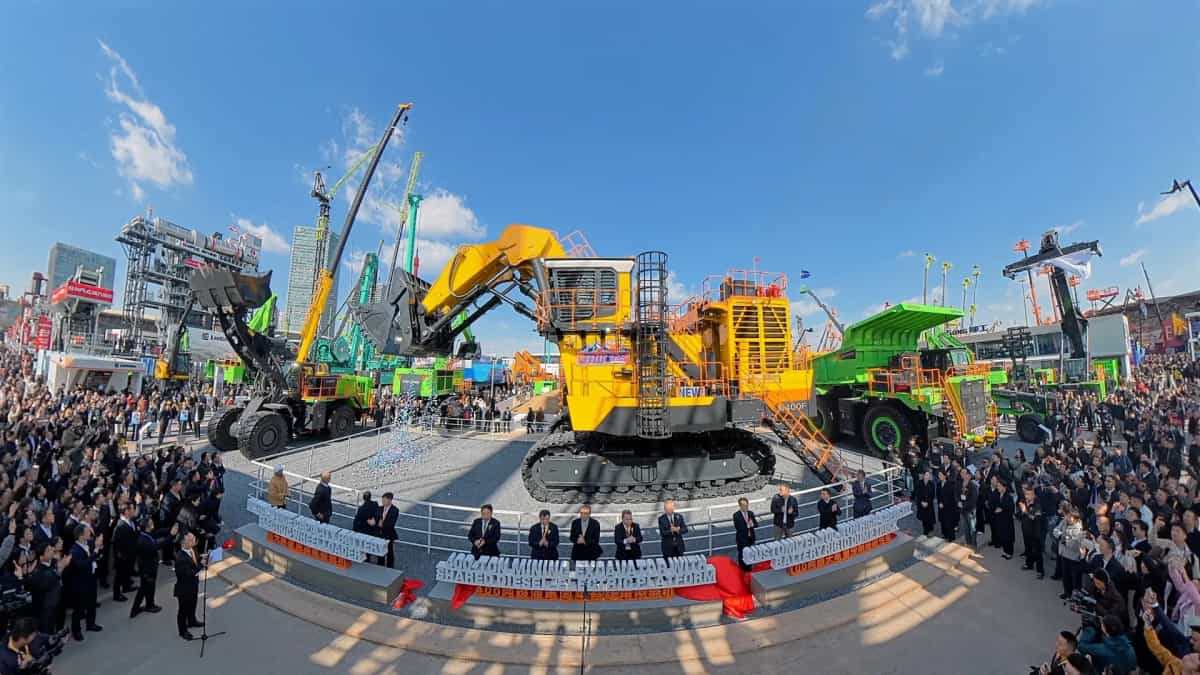
LGMG debuts VTH150 electric mine truck, but operating data remain undisclosed
Its permanent-magnet wheel-drive system is the centerpiece; the test is whether LGMG can take the design from claim to full-scale fleet use.
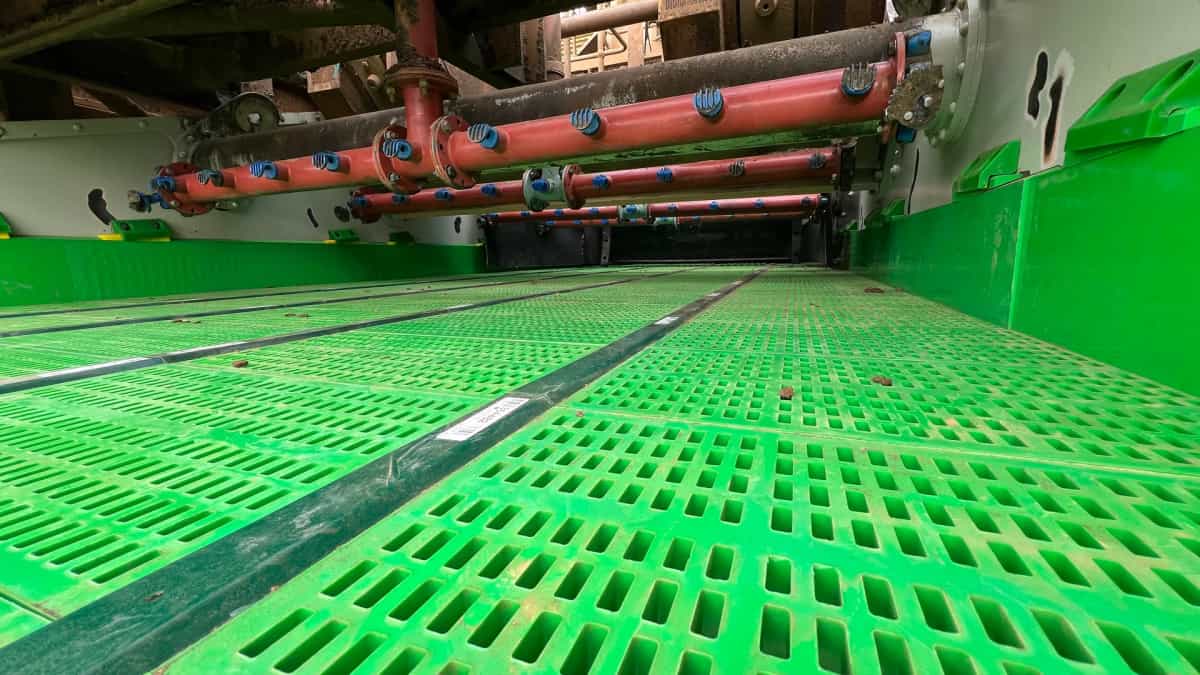
Multotec's closed slurry launders target high-tonnage plants, but flow hinges on design
Gravity transfer removes an extra pumping step, but each line must be tailored to the slurry it carries.