
Multotec's closed slurry launders target high-tonnage plants, but flow hinges on design
Gravity transfer removes an extra pumping step, but each line must be tailored to the slurry it carries.
multotec.com
Why it matters: As lower ore grades push plants to process more material, reliable transfer of gravity-concentration products can affect recovery, maintenance and plant availability.
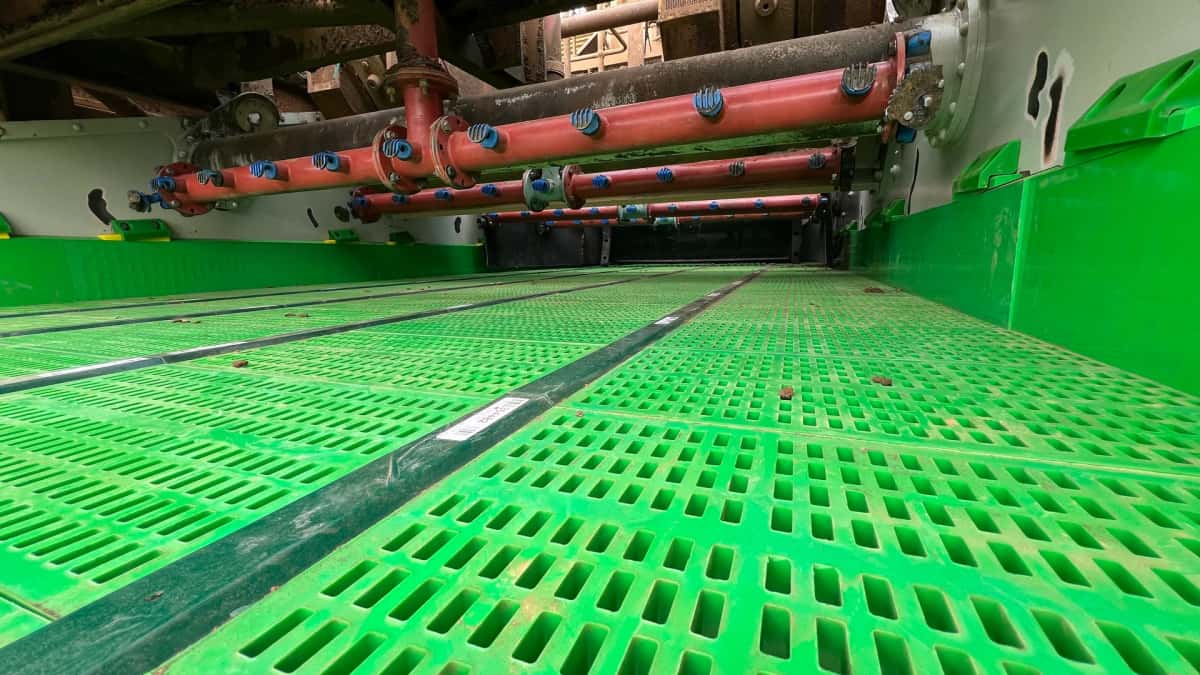
Multotec is promoting closed, tubular launders made from unplasticised PVC (uPVC) with an internal polyurethane (PU) lining for moving mineral slurries through high-tonnage processing plants. The gravity-fed system is intended as an alternative to open, rubber-lined steel launders, but its performance depends on sizing and layout matched to each slurry.
Hydraulic design governs the flow
The launders transfer slurry between points without additional pumping, making the line’s slope, angle and velocity central to maintaining stable flow. Multotec senior process and applications engineer Menzi Xulu said pipe diameter must also be set according to flow rate and slurry characteristics to prevent solids from settling.
Those design requirements come as lower ore grades increase pressure on plants to process larger volumes while maintaining recoveries, the company said. However, Multotec has not provided flow-capacity figures, maximum throughput or comparative performance data under different operating conditions.
The material combination is intended to address the abrasive and corrosive conditions found in mineral processing. Multotec says uPVC resists corrosion while PU provides wear resistance, and that together they can extend wear life compared with conventional rubber-lined steel launders. The company has not quantified service life or any reduction in maintenance.
Modular sections aim to simplify maintenance
Multotec says open steel launders can be heavy to install and maintain, and may be affected by corrosion or separation of the rubber lining. High-density polyethylene (HDPE) resists corrosion, but the company notes that it can deform under conditions including elevated temperatures, unsupported spans or high mechanical loads. Deformation can lead to failures, downtime and maintenance costs.
The closed system uses flanged joints and replaceable parts, including a PU boot. Xulu said this allows crews to replace worn components or affected sections without dismantling the full line. The modular arrangement is also intended to ease installation in space-constrained plants and modifications to existing facilities.
Multotec says these features can reduce intervention time and total cost of ownership, but it has not supplied quantified savings, maintenance durations or changes in downtime. Those benefits therefore remain company claims rather than measured comparisons in the information provided.
Applications extend beyond mineral sands
The company says its uPVC pipes with PU lining have been used in South Africa’s mineral sands sector for more than 25 years. It also cites applications in chrome spiral plants, iron concentration and coal processing, describing the chrome circuits as particularly demanding because of slurry density, solids concentration and abrasive wear.
Multotec says installations can provide better maintenance access and reduce exposure to spills, but has not published comparative results across sites or materials. For each circuit, the company says its hydraulic design takes account of flow rate, slurry characteristics, slope, angle and velocity; it has not disclosed performance figures that would allow operators to compare expected capacity across configurations.
More in Resources
Chile litigation covers 43% of major-project investment, versus 24% of projects
Most original decisions are upheld, but appeals can pass through several bodies and take years to resolve.
LGMG debuts VTH150 electric mine truck, but operating data remain undisclosed
Its permanent-magnet wheel-drive system is the centerpiece; the test is whether LGMG can take the design from claim to full-scale fleet use.
Gold rebounds from US$3,500 support, but a bullish reversal still needs proof
Sticky US inflation and higher Treasury yields are pressuring bullion as traders weigh whether recession risk could change the rate outlook.