
Agua Negra crossing delay puts Coquimbo’s summer tourism trade at risk
Snow and damage on Route 41-CH have stalled a seasonal link relied on by coastal businesses during the peak visitor period.
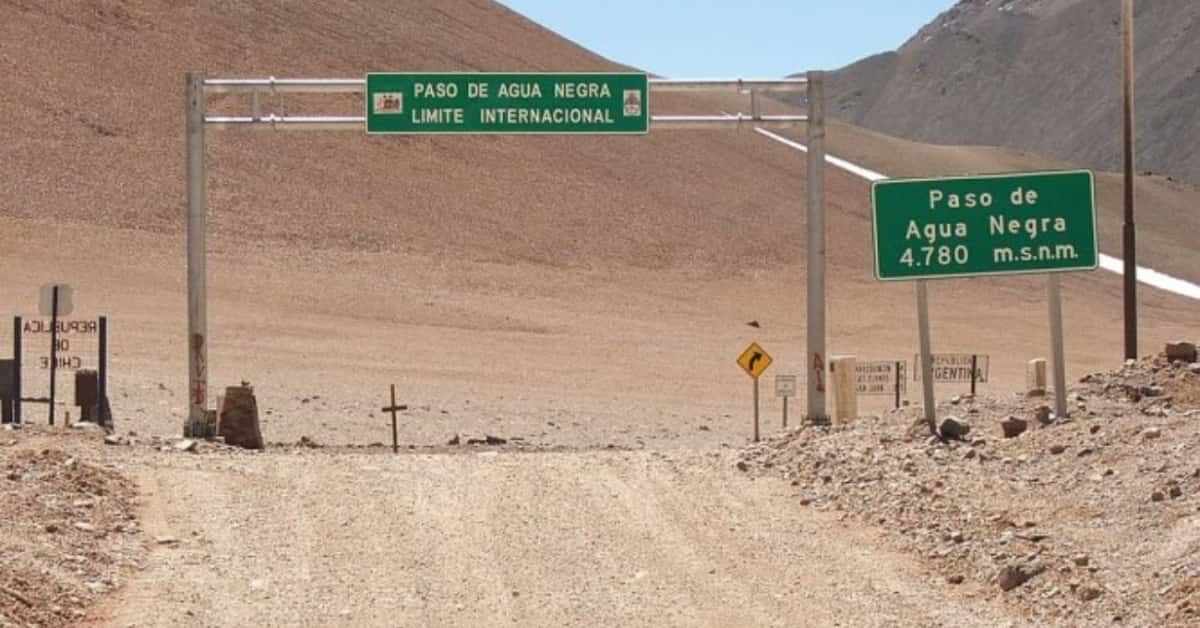
Why it matters: A delayed reopening could reduce Argentine visitor traffic and spending for businesses across Chile’s Coquimbo Region during the summer season.
January 2027 — projected reopening window, with no confirmed date
73,317 people — crossings recorded during the 2025–26 season
More than 30% — potential decline in Argentine visitors, according to the regional tourism chamber
Nearly 7 metres — reported snow accumulation in some high-altitude areas
Chile’s Ministry of Public Works (MOP) has ruled out reopening the Agua Negra International Pass in December 2026, citing difficult conditions on Route 41-CH, which links the Coquimbo Region with Argentina’s San Juan province. Authorities are now projecting a possible reopening in January 2027, but have not set a date.
The delay puts the summer trade at risk for local businesses in commerce, accommodation and food services. The crossing was open from 26 November 2025 to 9 June 2026, when official figures recorded 73,317 passenger crossings and 12,317 vehicle crossings. Of the passenger movements, 38,573 were entries into Chile.
Tourism businesses weigh the cost of a shorter season
Coquimbo Mayor Alí Manouchehri estimated that the region could lose more than 30,000 visits if the crossing is not available during the season. Laura Cerda, president of the Coquimbo Regional Tourism Chamber, said the number of Argentine visitors could fall by more than 30%, although the chamber has not completed a definitive estimate.
Tourism representatives say Argentine visitors spend more than US$100 per person each day, supporting businesses along the coast. Some travellers may enter Chile through the Los Libertadores crossing, but local tourism groups also cited competition from other destinations, particularly Brazil.
La Serena Mayor Daniela Norambuena has called an intersectoral working group to address the potential economic effects of another delay. The group’s work comes as businesses face uncertainty over how much of the high-season visitor period the crossing will be available for.
Snow, rockfalls and thaw complicate road clearance
Winter precipitation left snow accumulations of nearly seven metres in some parts of the high Andes, according to the Coquimbo Regional Government. Avalanches, landslides and falling rocks have also affected the route’s passability.
The National Directorate of Highways is using excavators, bulldozers and front-end loaders to clear and restore the road, and plans to bring in specialised machinery. Officials say thawing in the coming weeks could create further problems for the work.
“The goal is to open it in January, but we are subject to weather conditions improving,” regional presidential delegate Víctor Pino said. A technical inspection scheduled for 26 November is due to assess progress and the safety conditions required to restore the Chile–Argentina connection.
More in Resources
Tudor Gold’s 28-year Treaty Creek study depends on Goldstorm alone
Tudor is seeking a route to higher-grade underground material, but the access plan hinges on a permit not yet secured.

Chile’s peso slides as copper sell-off sends dollar to its highest since 2022
Copper’s decline weakened a key external support for the peso as traders reassessed US rate expectations and technology-sector risk.
Antofagasta export inspections reach plants, but specific risks remain undisclosed
Copper, molybdenum and lithium exports involve different processing and logistics stages before shipment.