
Africa’s illegal gold trade reaches beyond mines into armed networks
In Sudan, control of Darfur’s deposits intersects with a civil war and gold routes that cross several borders.
aljazeera.com
Why it matters: Gold’s portability means armed groups can benefit from the trade without controlling every mine or extraction site.
More than US$30 billion a year — estimated losses linked to illegal gold mining in Africa.
About 90% — the share of incidents recorded within 10 kilometres of mining concessions in July 2026 that ACLED linked to gold-related sites.
15.2 tonnes — the gold importers said they received from Cameroon in 2023, compared with 22.3 kilograms officially exported.
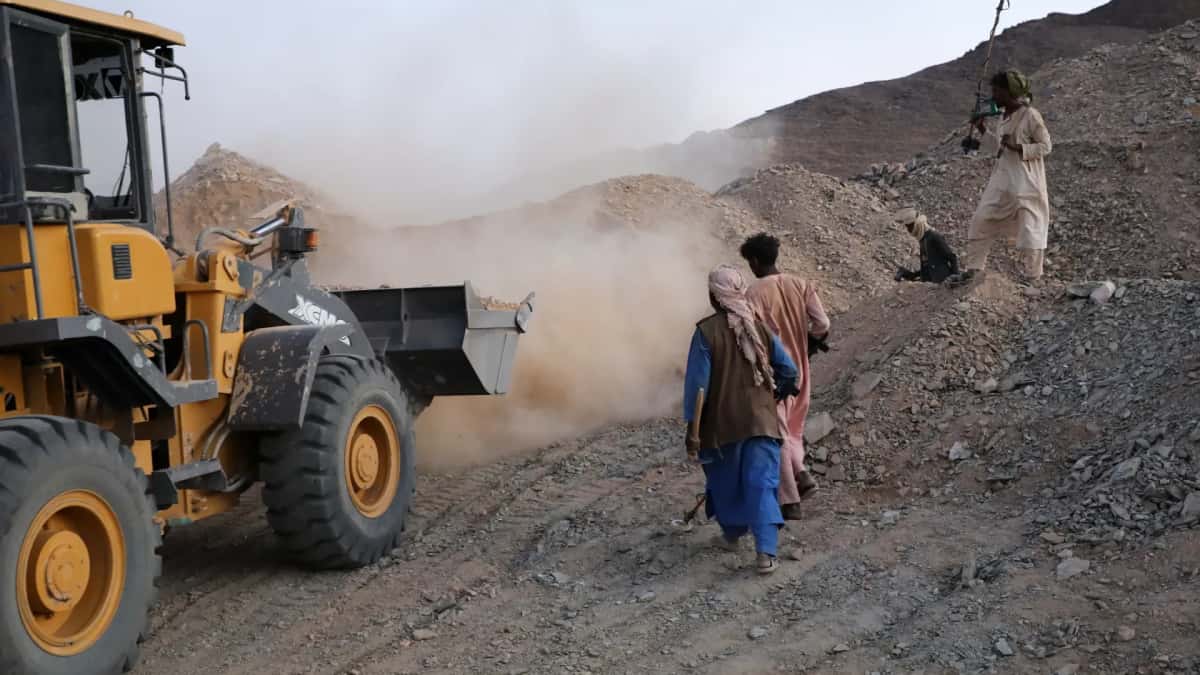
Illegal gold mining across Africa is costing more than US$30 billion annually and providing income and logistical support to armed groups, with trade networks extending from Sudan and the Sahel to Mozambique. The trade can involve mine controllers, intermediaries, buyers and cross-border routes, making extraction only one point of leverage for authorities.
Sudan’s gold routes extend beyond Darfur
In Sudan, the Rapid Support Forces (RSF), a paramilitary group fighting the Sudanese Armed Forces in the civil war, control most gold deposits in western Darfur. The RSF is suspected of selling hundreds of millions of dollars’ worth of gold through the United Arab Emirates, which has been accused of financing and arming the group.
Some Sudanese gold is also reportedly smuggled through eastern Libya, controlled by Khalifa Haftar, an RSF ally backed by the UAE. The reported routes illustrate how gold can move well beyond the area where it is mined.
Hellen Abatoni Muzungu, a sub-Saharan Africa specialist at risk consultancy Rane, said similar patterns occur in Mali, Burkina Faso and the eastern Democratic Republic of the Congo. In the Sahel, the expansion of gold mining could offer armed groups new sources of financing, recruitment and territorial influence. Héni Nsaibia, a senior West Africa analyst with the Armed Conflict Location & Event Data project (ACLED), has warned that groups including Jama’at Nusrat al-Islam wal-Muslimin and the Islamic State Sahel Province could benefit.
Mining areas can also provide access to mobile workers, transport, equipment and commercial supply chains. ACLED reported in July 2026 that nearly 90% of incidents recorded within 10 kilometres of mining concessions were linked to gold-related sites; the figure identifies an association with those sites, not necessarily direct control of mines by armed groups.
Extortion adds another layer in Mozambique and Cameroon
In Mozambique, the Islamic State in Mozambique has increased its activity around gold mining amid corruption, weak state institutions and inadequate security. ACLED said in January that recent extortion attempts reflected gaps in state support and protection for artisanal and small-scale miners. Muzungu said the group can tax workers, seize gold or kidnap miners for ransom without occupying mines permanently; it has also made repeated incursions into mining areas. The increase in activity coincided with a sharp rise in gold prices.
Cameroon’s official figures point to a separate challenge in controlling production and exports. The country reported producing 953 kilograms of gold in 2023 but officially exporting just 22.3 kilograms. Importing countries, by contrast, reported receiving 15.2 tonnes—nearly 680 times the official export volume.
Cameroon has introduced requirements for mining companies that include minimum monthly production targets, a shift to closed-circuit processing within six months and an advance environmental bond of more than US$112,000. The Ministry of Mines, Industry and Technological Development said the measures are intended to improve control of production, increase reserves and state revenue, and address losses associated with smuggling.
Tracking the trade means looking beyond miners
Muzungu said a response needs to cover licensing and oversight of artisanal mining, legal sales channels, traceability and cooperation between countries. She also cited corruption and collusion by officials and security forces as obstacles to enforcement.
She called on major trading and importing centres, including the UAE, to strengthen origin checks and due diligence so gold linked to conflict cannot enter legal markets. Muzungu cautioned that criminalising artisanal miners could push them toward armed groups or informal markets. Her proposed approach is to target networks profiting from the trade while providing legal alternatives to people who depend on mining. Cameroon’s new company requirements include a six-month deadline for the transition to closed-circuit processing.
More in Resources
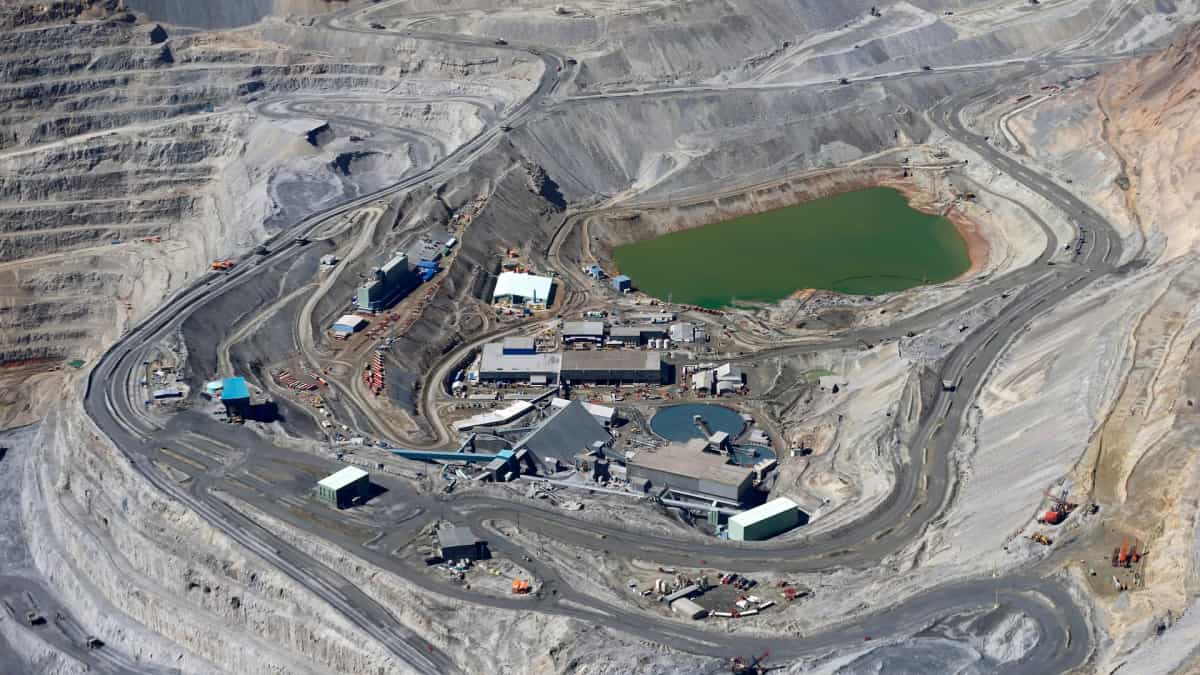
Chile's hypothetical copper mine could lift regional GDP, but exploration lacks public funding
The model starts with a deposit that has not been found, while Chile already distributes copper royalty revenue.
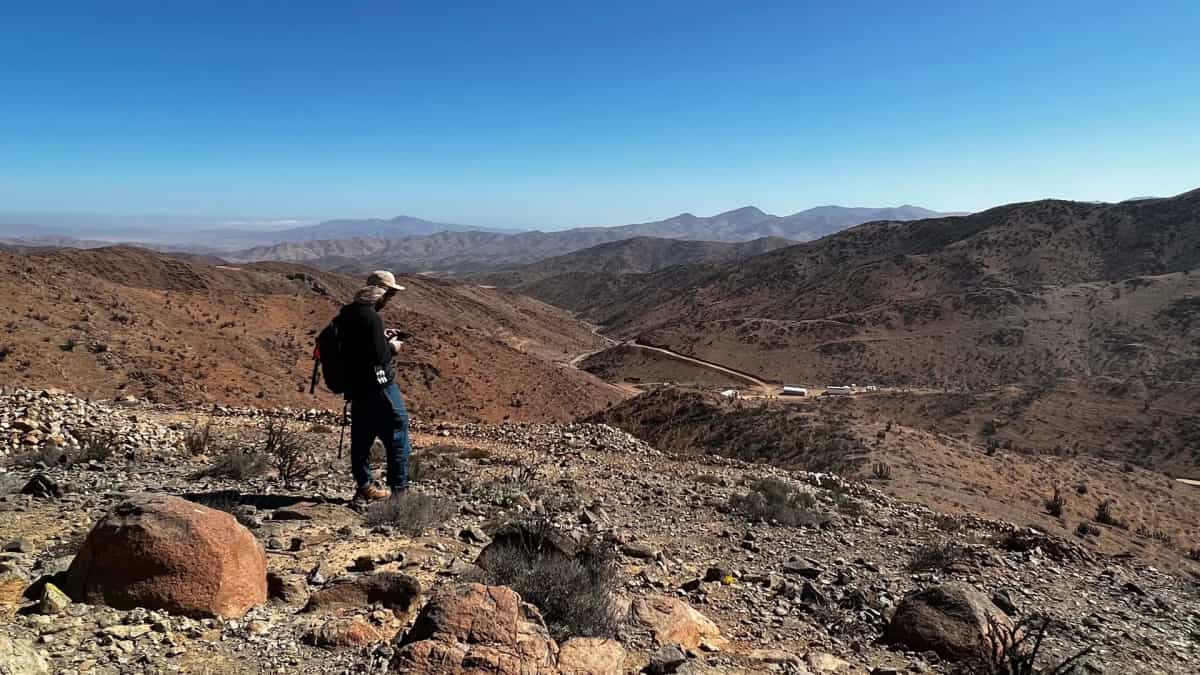
Red Metal’s Farellon lifts ENAMI shipments, but has no resource estimate
Level 9 is driving recent deliveries, but assays and final settlement for November’s lots remain outstanding.
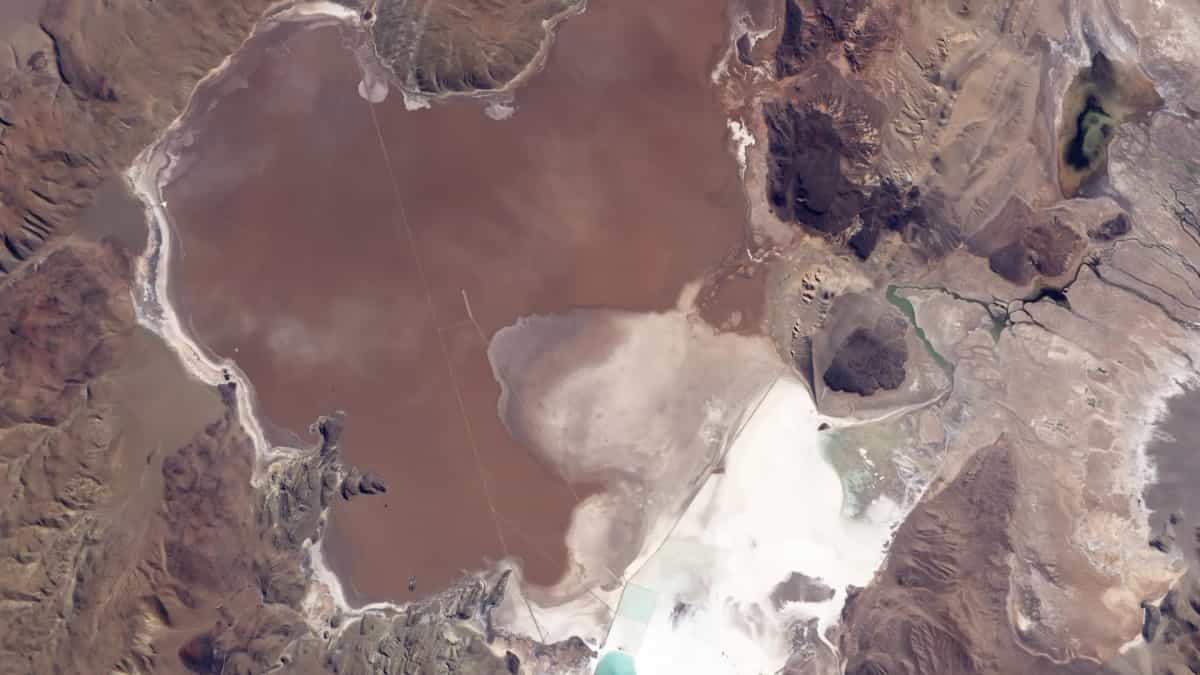
Satellite Miner tracks Argentina’s Hombre Muerto salt flat, but not its land disputes
In Catamarca’s producing lithium basin, open radar data is being adapted for a new kind of territorial monitoring.