
YPF’s Argentina LNG decision nears, but financing remains unresolved
The export chain still depends on financing, regulatory approvals and long-term buyers.
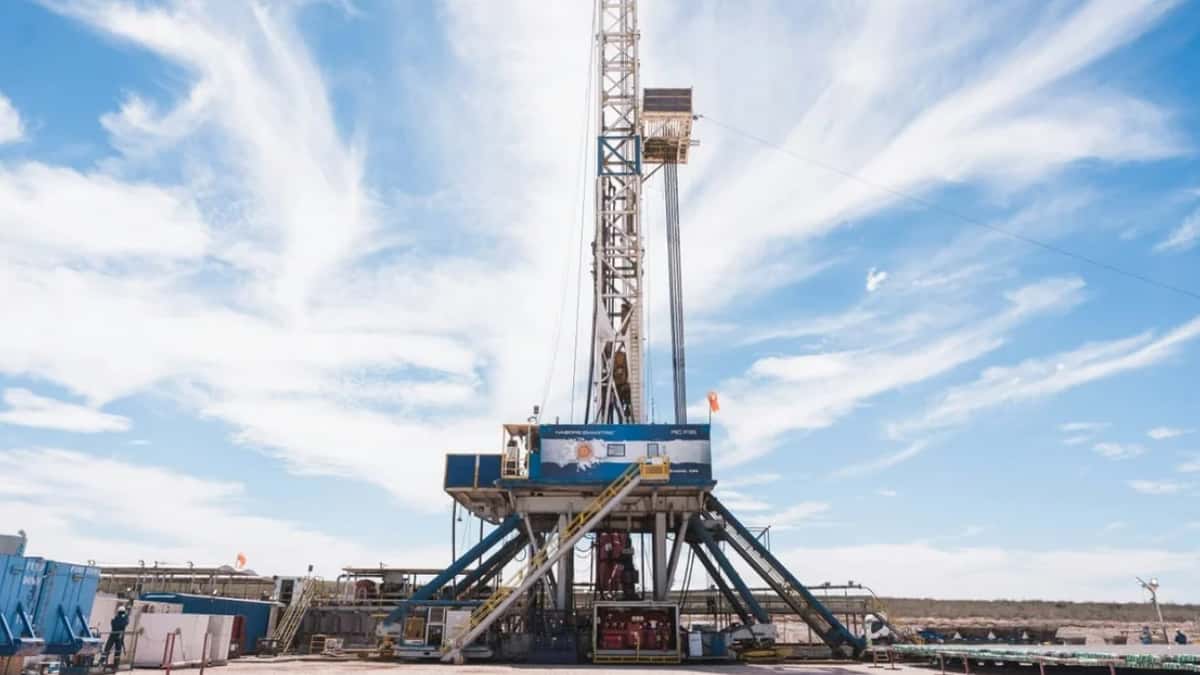
Why it matters: Argentina LNG could create a large export route for Vaca Muerta gas, but its scale depends on financing and commercial commitments not yet secured.
US$29 billion — estimated spending through 2031, including upstream development.
12 million tonnes per year — planned initial LNG capacity from two floating units.
527 kilometres — approximate length of dedicated hydrocarbon pipelines in the proposed system.
Up to 70% — share of project costs the partners are considering financing through project finance.
YPF’s board has unanimously approved moving toward a final investment decision for Argentina LNG, a project led with Italy’s Eni and XRG, the international energy investment arm of Abu Dhabi National Oil Company. The partners are targeting a signing on November 30, but the project still needs financing, regulatory approvals and sufficient commercial backing.
The proposed development would connect gas resources in Vaca Muerta, Neuquén province, with export facilities off Río Negro on Argentina’s Atlantic coast. YPF’s board approval is a step toward the decision, not confirmation that the partners have completed financing or begun the main construction works.
Two floating units anchor the export plan
Argentina LNG initially envisages two floating liquefaction units in the Gulf of San Matías, each with capacity to produce 6 million tonnes of LNG annually. Eni has also said an expansion to 18 million tonnes per year is under evaluation; it is not part of the initial capacity described for the project.
The planned system includes gas treatment and processing facilities, separation of associated liquids and about 527 kilometres of dedicated pipelines. The infrastructure is intended to link Vaca Muerta production with the coastal export facilities rather than rely directly on available capacity in Argentina’s domestic gas network. Production is targeted to start in 2030, subject to development progress.
The project’s cost figures refer to different components and periods. YPF’s August 2026 information estimates total spending over the project’s life at US$51 billion. About US$29 billion is expected through 2031, including US$24 billion for strategic infrastructure and US$5 billion for field development and well drilling.
YPF has projected export revenue of close to US$10 billion a year for two decades. That is a company estimate, not secured revenue: actual returns would depend on production, sales contracts and international gas prices.
Financing and regulatory steps remain
JPMorgan Chase and Banco Santander are involved in arranging international financing. The partners are considering project finance, which would use anticipated project cash flows to support borrowing. Estimates suggest that this structure could cover as much as 70% of costs, but that proportion is not equivalent to funding already committed or disbursed. Long-term supply agreements with buyers could be important to lenders assessing the project’s future cash flow.
Argentina LNG has applied to join the government’s Large Investment Incentive Regime (RIGI), which offers tax, customs and foreign-exchange benefits and stability guarantees for qualifying investments. YPF chief executive Horacio Marín said the evaluation committee was scheduled to review the application on November 20. A favourable review would still need formal administrative approval before the partners’ planned November 30 signing.
Construction scale brings local and environmental questions
YPF estimates construction could support about 20,000 direct, indirect and induced jobs annually, with higher peaks during the busiest periods. The project could bring work for suppliers and services in Río Negro, including around Sierra Grande, but those employment figures are company estimates tied to construction activity.
The proposed coastal facilities and increased shipping have also drawn environmental scrutiny over potential effects on the Gulf of San Matías, including on whales and other marine life. Project proponents cite monitoring and mitigation measures, while environmental groups have raised concerns about the installations and vessel traffic.
The next steps are the RIGI review, completion of regulatory conditions, agreement among the three partners and securing the financing and sales commitments needed to support the planned investment decision.
More in Mining Stocks
SQM’s US$3 billion lithium plan faces a fresh test as prices retreat
Recent market declines could feed into lower fourth-quarter realised prices, even as SQM prepares to expand capacity.

Anthropic’s record Nasdaq debut puts the economics of AI spending in focus
The Claude developer’s listing follows a record share sale, while its infrastructure commitments leave investors weighing how growth can translate into returns.
EnQuest’s US$960 million UK sale hinges on a separate Malaysia deal
The proposed package extends beyond producing fields to infrastructure interests and UK decommissioning liabilities.