
Could Codelco follow Equinor? CEP puts private capital on the table
Codelco’s debt has climbed as its real transfers to Chile have shrunk, sharpening the debate over how to fund the state miner’s investments.
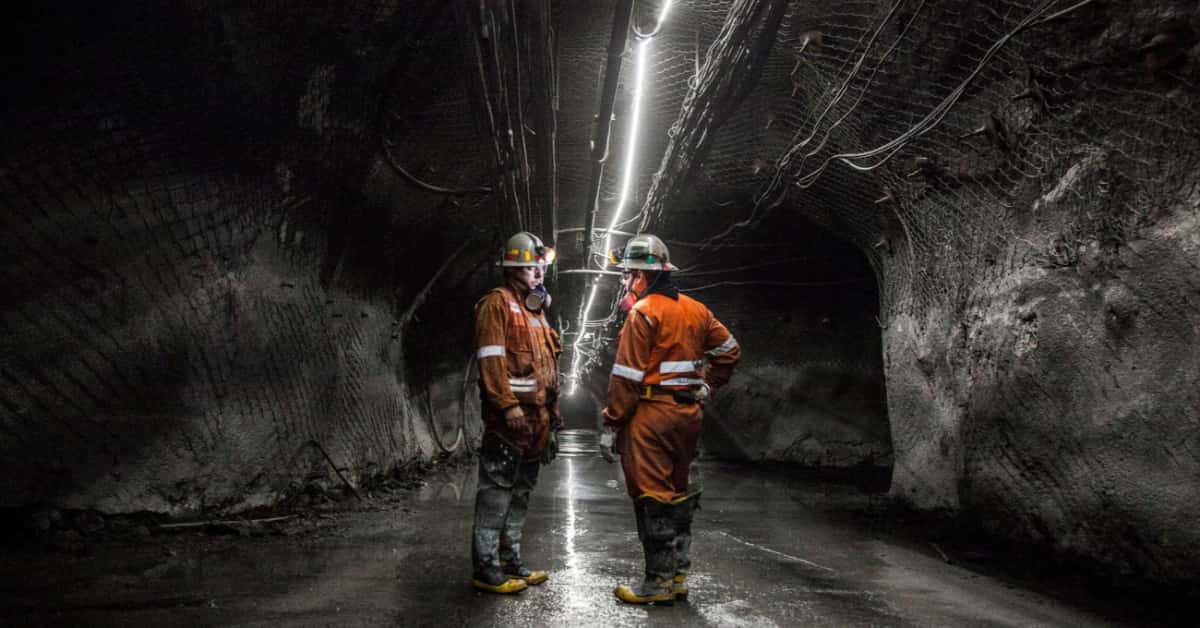
Why it matters: Codelco’s financing pressures have implications for both the state’s copper revenues and the company’s ability to fund investment.
US$25,834 million — Codelco’s debt in 2025, up from US$9,369 million in 2010.
US$1,843 million — real fiscal contributions in 2025, down from US$5,920 million in 2010.
US$72,367 million — fixed-asset investment between 2010 and 2025.
67% — the Norwegian state’s stake in Equinor, the model cited by CEP.
The Center for Public Studies (CEP) has recommended evaluating a partial opening of Codelco’s ownership to private investors, alongside other financing options, in a study on governance at the Chilean state copper producer. The proposal is not a call to privatise the company: CEP co-author Jorge Rodríguez said any change in ownership should follow improvements to corporate governance.
The report, Being an Owner Is Not Enough: International Lessons for Codelco’s Governance, sets out eight recommendations intended to improve the company’s financial and operational performance. Options include partnerships with private companies for specific projects, jointly owned subsidiaries and a possible partial share offering. CEP says these mechanisms should be assessed for their potential to improve efficiency, finance investment and increase transfers to the state.
Debt growth outpaced fiscal contributions
CEP’s analysis, drawing on data from Chile’s Copper Commission (Cochilco), says Codelco invested US$72,367 million in fixed assets from 2010 to 2025. Over the same period, its debt rose 176%, from US$9,369 million to US$25,834 million.
Real fiscal contributions fell 69%, from US$5,920 million in 2010 to US$1,843 million in 2025, according to figures from the Budget Office (Dipres) compiled by the study’s authors. Between 2022 and 2025, Codelco contributed US$7,039 million to the state while its debt increased by US$8,734 million. CEP argues that borrowing has helped finance some of the company’s transfers to the government.
Equinor offers one ownership model
The study examines Equinor, which began trading in Oslo and New York in 2001. Norway retains 67% of the energy company, with the remainder held by market investors. The state’s stake is managed by the Ministry of Trade, Industry and Fisheries; the owner sets performance objectives, while the board oversees delivery and independently supervises management.
Equinor uses return on average capital employed (ROACE) as one measure of financial performance. The indicator was 14.5% in 2025. CEP presents the case as an example of combining public control with private share ownership, not as a template that Codelco must adopt.
Sweden’s LKAB provides a contrasting example: the iron-ore producer is wholly state-owned and accounted for 86% of EU iron-ore production in 2025. Sweden has set financial targets for LKAB, including a return on equity above 9%, net debt below 60% of equity and dividends of 40% to 60% of annual earnings. In April 2026, shareholders approved a payment to the state equal to 50% of the previous year’s profit, despite weaker 2025 results linked to lower iron-ore prices, a weaker US dollar and higher operating costs.
CEP calls for governance changes first
The study also recommends giving Codelco’s seven divisions more authority to approve and execute smaller investments, while reserving structural projects for board approval and external controls. Under the proposal, headquarters would focus on strategic and financial matters, with divisional managers accountable for the results of their decisions.
CEP further proposes a specialised technical team in mining, finance and corporate governance to support the finance and mining ministries in their role as state owners. The team would help coordinate oversight, assess performance and set long-term objectives without directly managing the business. The report’s authors argue that any reforms need evidence-based design and political agreements capable of sustaining changes across government terms.
More in Mining Stocks
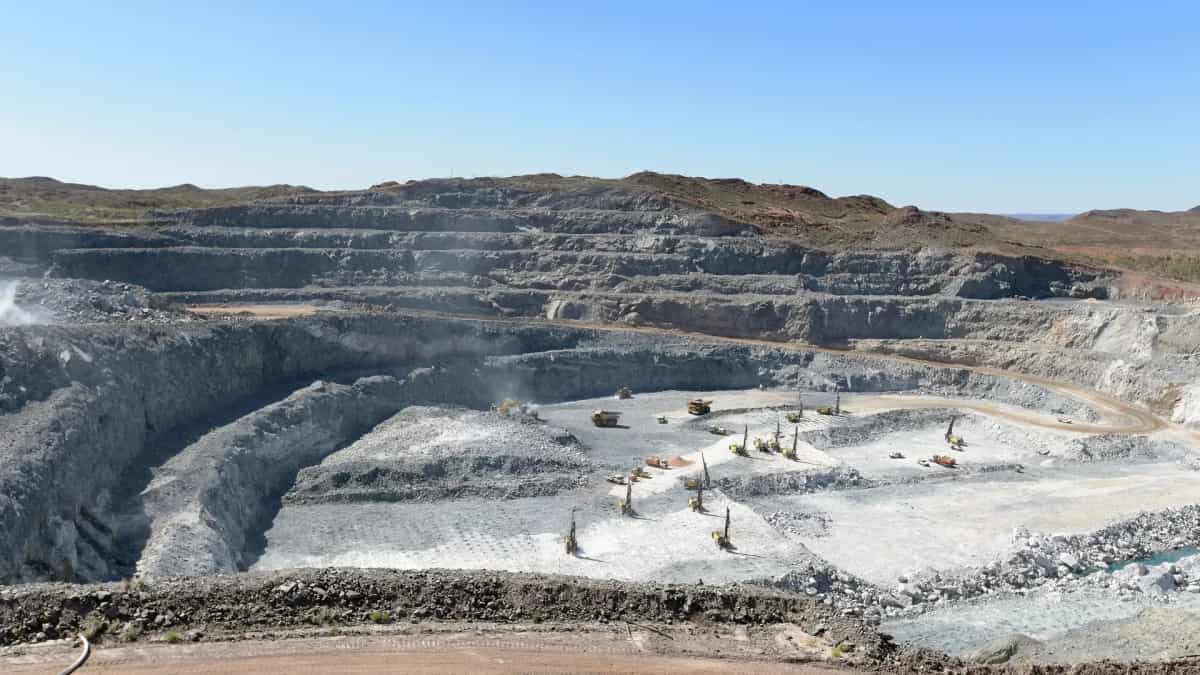
AIM Mining weighs $200m IPO as Pilbara gold projects compete for capital
Warrawoona's growth case sits beside established mines and nearby exploration targets, but processing options and permitting status differ across the district.
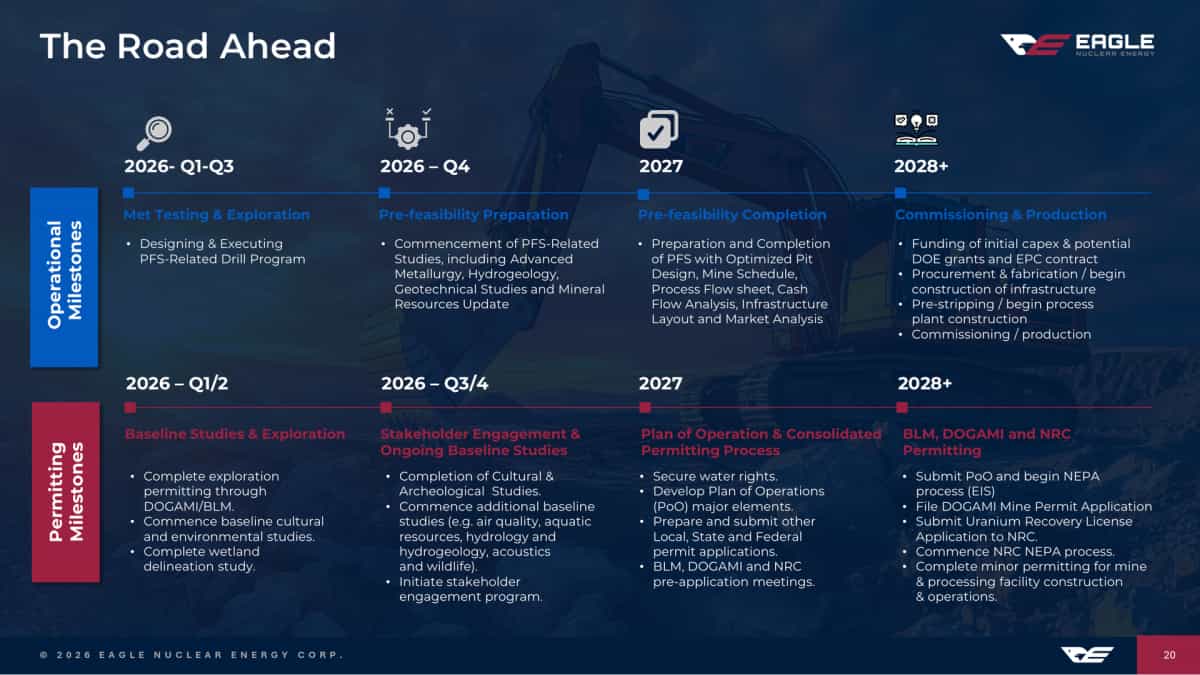
Eagle Nuclear joins Russell Microcap, but its SMR strategy lacks disclosed terms
The index move puts Eagle’s Oregon uranium position in focus, but adjacent Cordex remains unquantified.
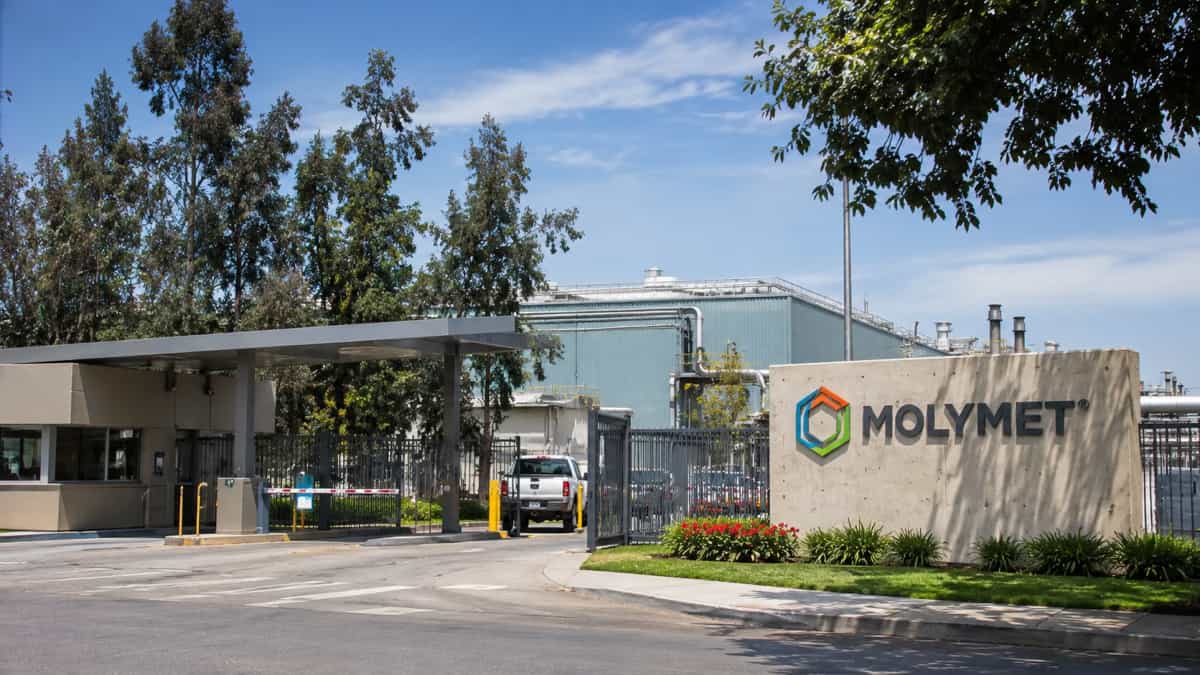
Plansee launches Molymet bid, but control hinges on shareholder threshold
The Austrian group already owns a strategic stake, yet the offer’s minimum acceptance condition leaves the next step with Molymet investors.