
Mars organic finds deepen the life question, but biology remains unproven
At Jezero, carbon survived in ancient sediment, while minerals in a separate rock can form through biological or geological processes.
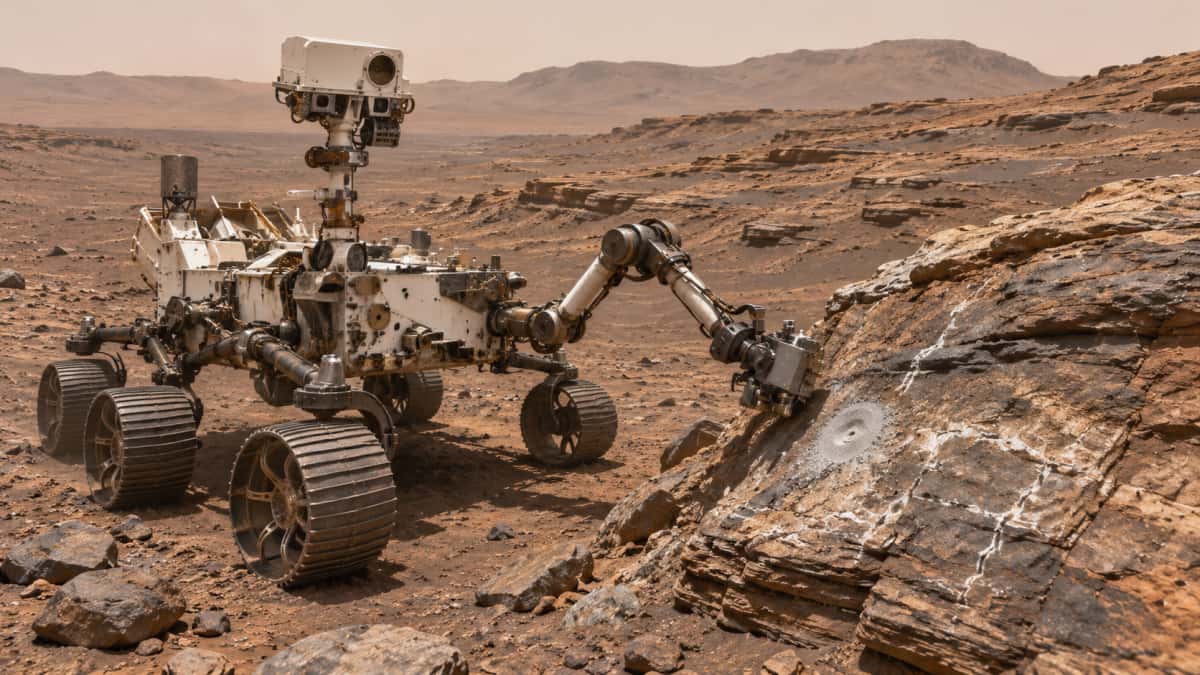
Why it matters: The findings sharpen the case that ancient Mars had habitable environments, but distinguishing biological traces from ordinary chemistry remains the central scientific hurdle.
21 molecules containing carbon — identified in Curiosity’s Mary Anning 3 sample, including seven not previously found on Mars.
Two sedimentary rocks — from the Bright Angel formation in Jezero, where Perseverance detected complex organic carbon.
Two metres — the planned maximum drilling depth of ESA’s Rosalind Franklin rover.
Perseverance and Curiosity have identified complex carbon compounds, potentially telling mineral structures and evidence of ancient water on Mars. The results, reported through November 2026, strengthen the case that parts of the planet once had conditions suitable for microbial life, but they do not demonstrate that organisms existed there.
Jezero sediment preserved complex carbon
A study published in June 2026 in Science Advances reported complex organic carbon in two sedimentary rocks from the Bright Angel formation, an ancient valley in Jezero crater. Perseverance used Raman spectroscopy to detect hundreds of signals associated with organic matter, distributed unevenly through the rocks.
The compounds’ preservation is notable because Mars’ surface is exposed to intense radiation and oxidising substances. The finding indicates that some chemical material can persist in sedimentary rock despite those conditions, leaving a record of processes from the planet’s earlier history. It does not identify the source of the carbon as biological.
A separate Perseverance sample, Cheyava Falls, has drawn attention for small features nicknamed “leopard spots.” Analyses published in Nature in September 2025 classified them as a possible biosignature. The rover identified vivianite, an iron phosphate, and greigite, an iron sulphide. Both can occur in settings associated with biological activity on Earth, but they can also form through non-biological reactions. Their presence alongside organic matter and evidence of water makes the rock a target of astrobiological interest, not proof of life.
Curiosity expands the inventory of organic compounds
Curiosity’s Mary Anning 3 sample, collected in 2020 from clay-rich terrain on Mount Sharp, was reported to contain 21 carbon-bearing molecules. Seven were identified on Mars for the first time. Among them were a carbon-and-nitrogen molecular structure and benzothiophene, a compound containing carbon and sulphur that has also been found in meteorites. The result expands the known chemical diversity of ancient Mars; it is not evidence of DNA, RNA or organisms.
In March 2025, Curiosity also detected decane, undecane and dodecane—hydrocarbons with 10, 11 and 12 carbon atoms, respectively. Researchers said they could have formed from the breakdown of fatty acids preserved in sedimentary rock. Later work found that the non-biological mechanisms assessed did not fully account for the amounts of organic matter detected. That leaves biological origins possible, while geological chemistry remains an explanation that cannot be ruled out.
Water history guides the next search
Orbital and surface observations show that Mars once had river channels, lake deposits and deltas, as well as minerals formed through water-rock interactions. Perseverance research in Jezero has also identified episodes of groundwater circulation, including reactions between carbon-dioxide-rich fluids and olivine. Such settings could have supported microbes that obtain energy through chemical reactions rather than sunlight.
The European Space Agency’s Rosalind Franklin mission is scheduled for launch in 2028, with a planned journey of about two years to Mars. At Oxia Planum, its rover is designed to drill as deep as two metres into clay-rich deposits and retrieve material shielded from surface radiation. Accessing deeper samples may provide a better-preserved record, but establishing whether any trace is biological will still require evidence that rules out non-biological processes.
More in Frontier Mining
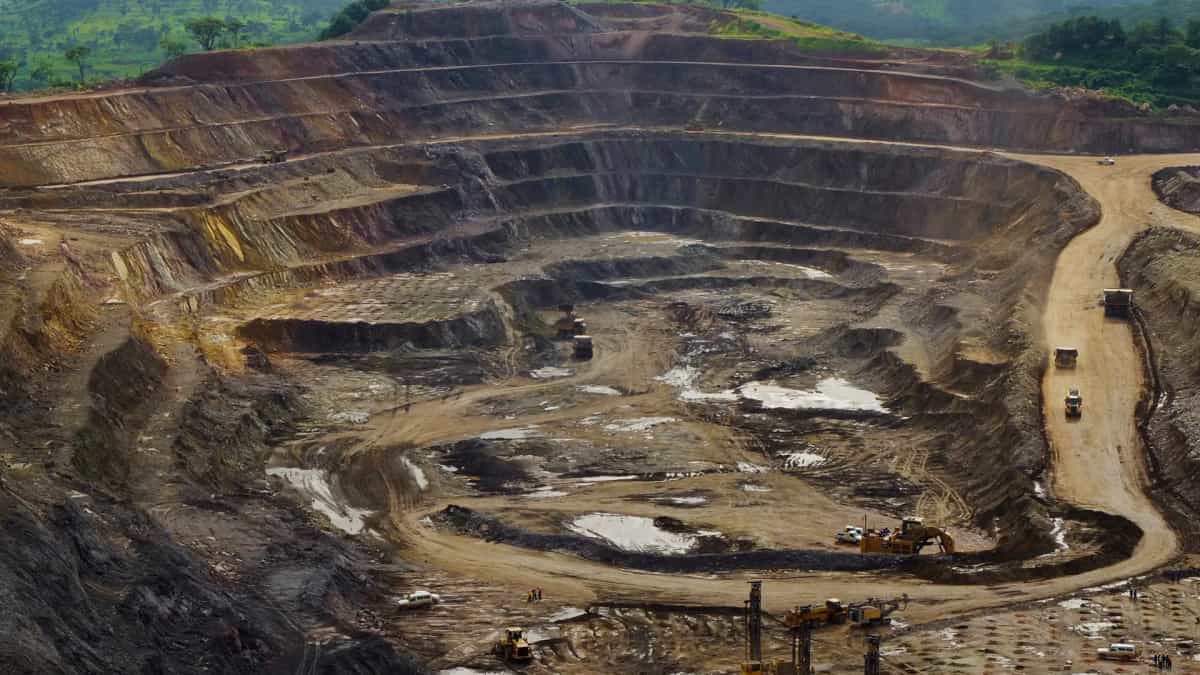
Ivanhoe brings AI to Angola’s geology archives, but no drill targets are disclosed
The archive project supports a copper programme across two provinces, but its document count and implementation schedule remain unknown.
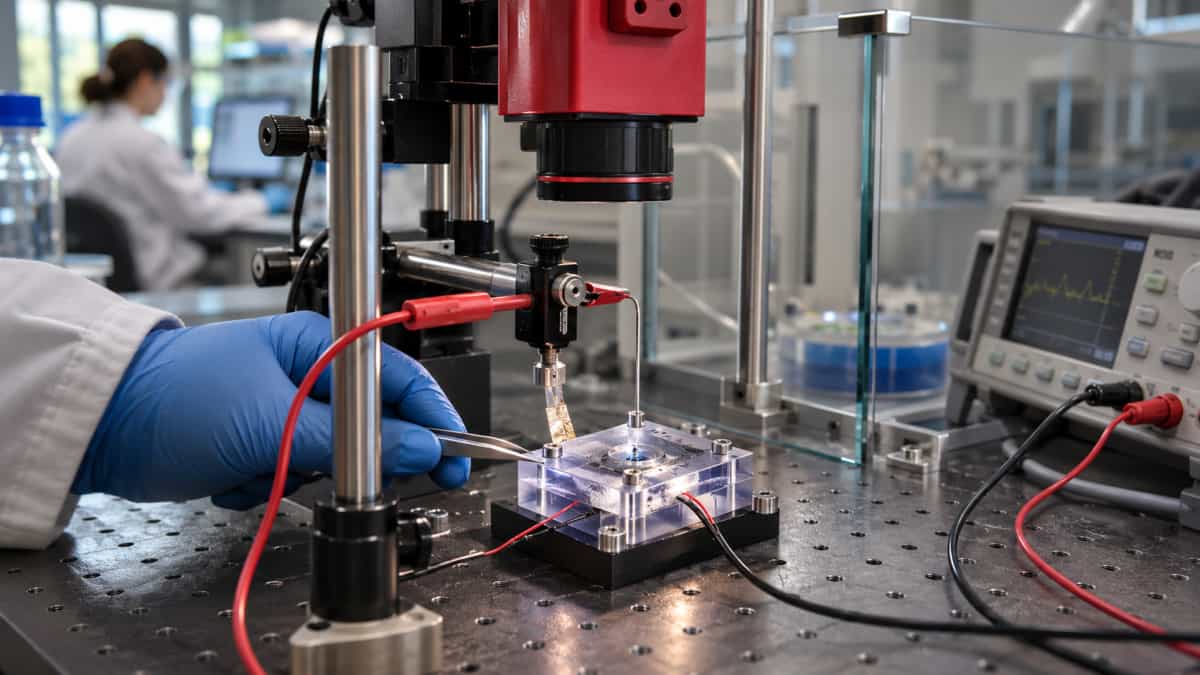
Japan-Germany rain-energy study faces the gap between charged drops and usable power
Rainfall’s uneven timing complicates designs intended for sensors and industrial water systems.
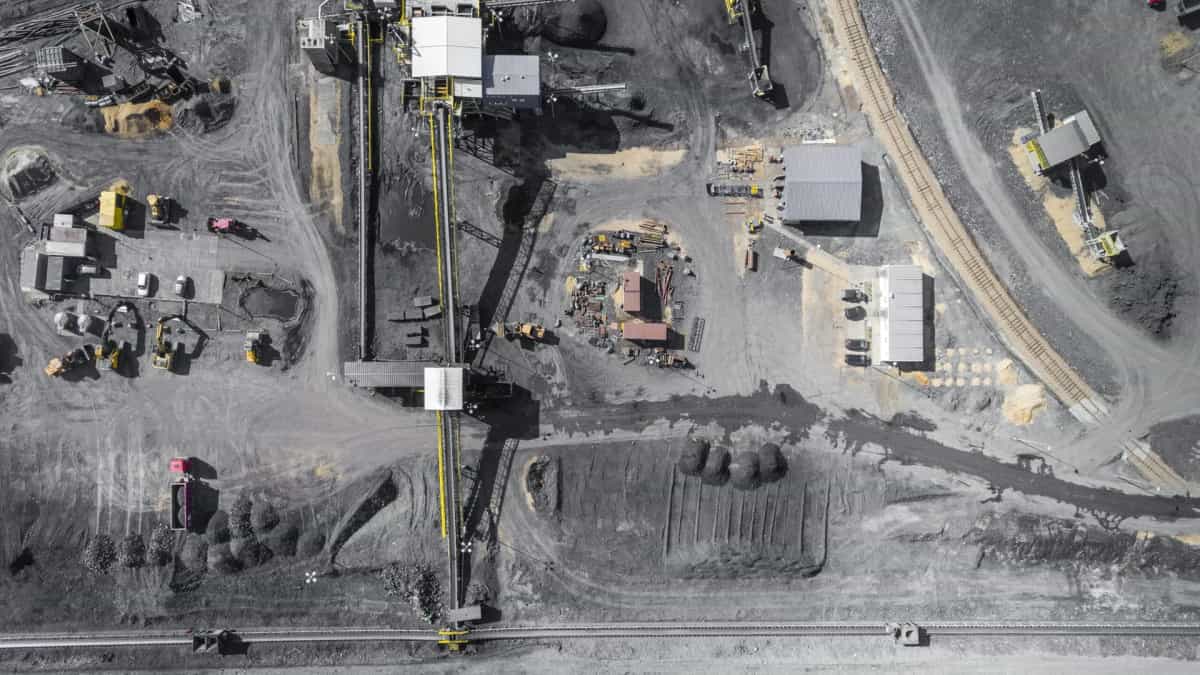
Plus Pumps connects remote mine equipment to Starlink, but reliability gains remain unmeasured
At isolated sites, the system is intended to flag equipment stress between maintenance visits, when crews may have limited visibility.