
Japan-Germany rain-energy study faces the gap between charged drops and usable power
Rainfall’s uneven timing complicates designs intended for sensors and industrial water systems.

Why it matters: If researchers can turn intermittent water movement into dependable low-power electricity, remote sensors could rely less on batteries and wired connections.
2 fragmentation mechanisms — impact-driven expulsion and expulsion during liquid rebound.
More than a century — the water-fragmentation charge-separation phenomenon has been known for over 100 years.
Researchers from Japan’s Tohoku University and Germany’s Max Planck Institute for Polymer Research identified how specially structured meshes influence electrical charge separation when water droplets strike and fragment. The findings, published in Physics of Fluids in November 2026, could inform devices that harvest small amounts of energy from moving water; they do not demonstrate a commercially viable power source.
Rebound produced more highly charged droplets
The team tested superhydrophobic meshes, which repel water through their surface properties and microscopic structure. When a droplet hit a mesh, some liquid passed through its openings and broke into smaller droplets. High-speed cameras and electrical measurements were used to track the process under different experimental conditions.
The researchers distinguished two ways droplets were expelled. In impact-driven expulsion, fragmentation occurred immediately after the initial collision. In rebound-driven expulsion, the liquid contracted and bounced back after deforming. The latter produced microdroplets with a higher electrical charge per unit of mass, according to the study.
The team also found that smaller mesh openings and thinner filaments could favour droplet electrification. These observations offer design variables for materials intended to capture charge from moving water. The study’s account does not provide a power-output figure or show how much of the resulting charge could be collected as usable electricity.
Charge separation is not yet a power supply
The energy would come from water’s motion, not from electricity being created spontaneously. A falling raindrop carries kinetic energy; on impact, that energy is distributed among deformation, movement, heat and other physical processes. A suitably designed structure might recover a portion as electrical energy.
The researchers examined the Weber number, which compares a liquid’s inertial forces with its surface tension. It helps predict whether a droplet will hold its shape, deform or fragment on contact. Understanding those conditions may help engineers design for more effective charge separation, but a charged droplet alone does not establish a stable generator. Collection, storage and conversion systems would still be needed.
Industrial uses depend on durability and consistency
Potential applications include autonomous sensors, environmental monitoring and low-power electronics. In mining and other industrial settings, researchers could test whether the approach captures energy from water-treatment equipment, spray systems or cooling circuits, particularly where conventional power connections are difficult or costly. These uses remain prospective; the study did not report trials at operating mines or industrial sites.
Rainfall presents a basic constraint: it is intermittent, and droplet size, speed and impact vary. Any field system would also need to withstand wear, corrosion, mineral particles and changes in water chemistry. Roofs and facades could be investigated as collection surfaces, possibly alongside solar panels, but the available energy from rainfall is considerably below solar energy under favourable conditions.
The next technical test is whether engineered meshes can sustain useful output over repeated impacts while keeping material and manufacturing costs practical. The researchers’ findings identify physical design factors, but the work remains experimental and does not establish performance over millions of impacts.
More in Frontier Mining
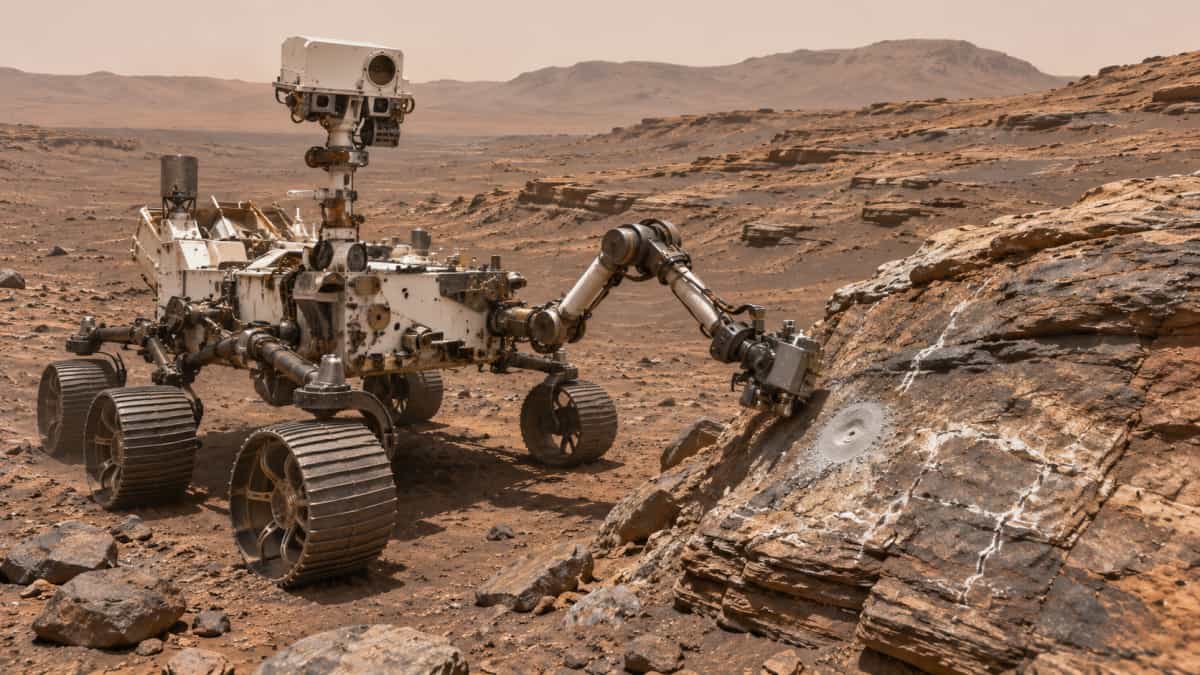
Mars organic finds deepen the life question, but biology remains unproven
At Jezero, carbon survived in ancient sediment, while minerals in a separate rock can form through biological or geological processes.
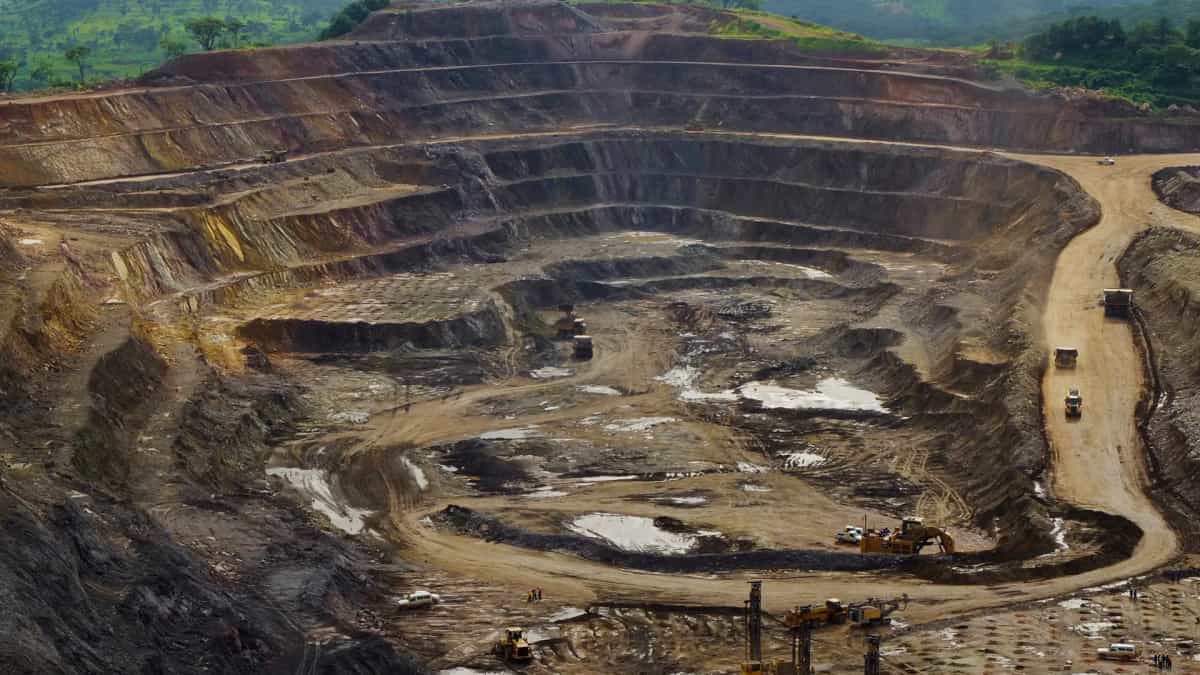
Ivanhoe brings AI to Angola’s geology archives, but no drill targets are disclosed
The archive project supports a copper programme across two provinces, but its document count and implementation schedule remain unknown.
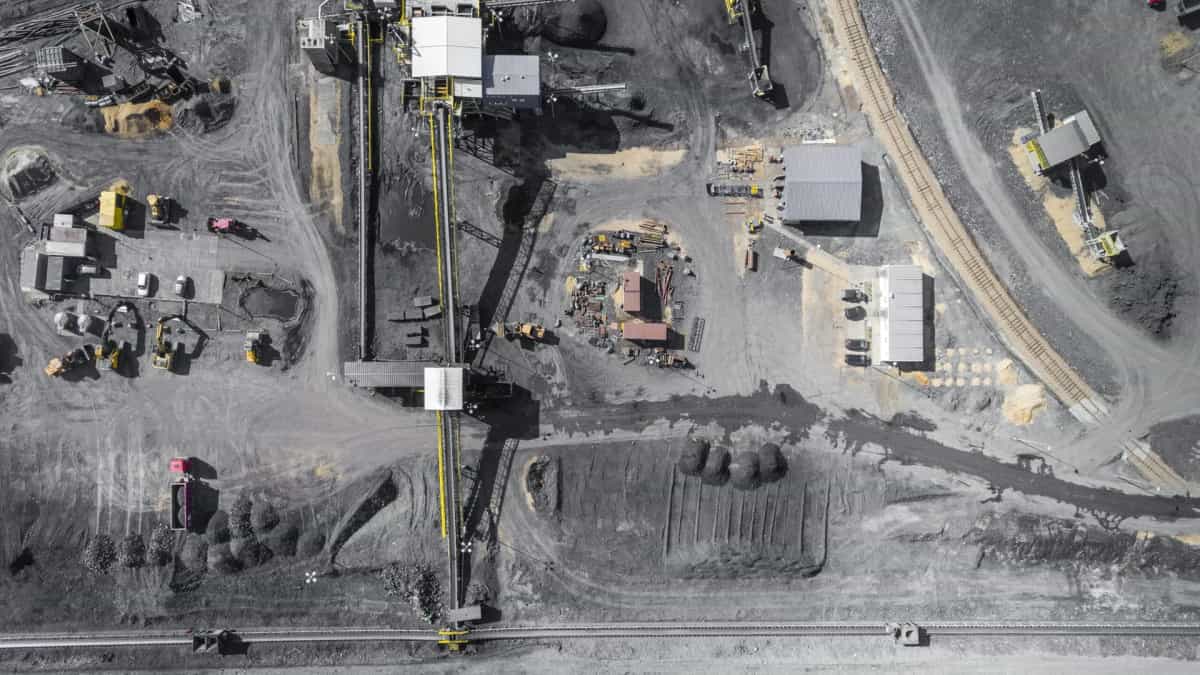
Plus Pumps connects remote mine equipment to Starlink, but reliability gains remain unmeasured
At isolated sites, the system is intended to flag equipment stress between maintenance visits, when crews may have limited visibility.