
Strata targets Zelica’s Northern Pit as gold continuity remains untested
Five closely spaced RC holes target known mineralisation being considered for future pit planning.
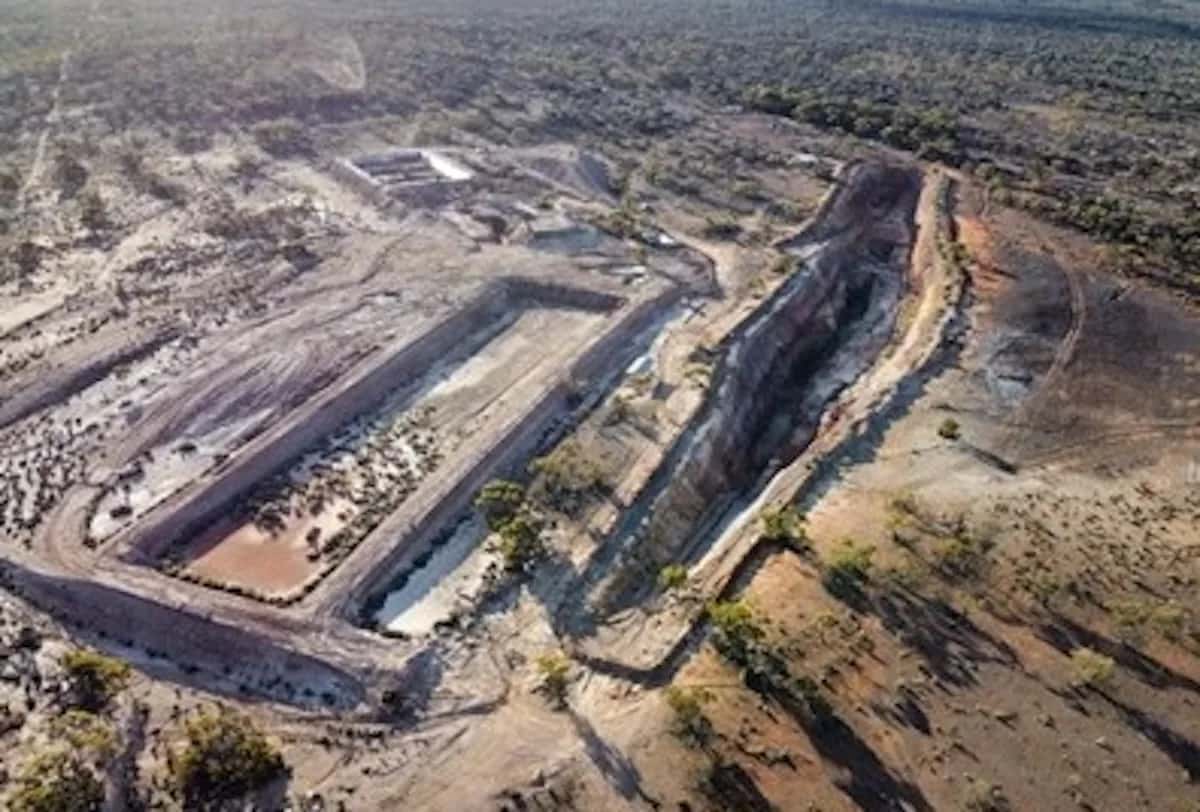
australianresourcesandinvestment.com.au
Why it matters: The drilling will help establish whether known gold mineralisation at Zelica is continuous enough to inform a potential Northern Pit design.
Five RC holes — a closely spaced program at the Northern Pit area.
About 250 metres — planned total drilling.
42,000 ounces — gold in Zelica’s initial JORC mineral resource.
7 metres at 4.89 g/t gold — one of the previous intersections in the area.
Strata Minerals has started a five-hole reverse-circulation (RC) drilling program at the potential Northern Pit area of its Zelica project in Western Australia. The approximately 250 metres of drilling is intended to clarify local gold grades and the geometry and continuity of mineralisation; results are not yet available.
The company plans to use the data to assess possible pit configurations and whether the area could be incorporated into mine planning. The program is intended to add local geological detail, not to confirm a final mine design.
Close-spaced holes test known mineralisation
The holes are focused on an area where gold mineralisation is already known and follow earlier exploration and resource drilling. Previous intersections in the area include 7 metres at 4.89 g/t gold, 3 metres at 4.64 g/t and 5 metres at 2.61 g/t. The source material does not specify true widths for those intervals.
Those earlier results provide a reason to investigate the zone, but do not establish how consistently mineralisation extends through the Northern Pit area. The new, closely spaced drilling is intended to improve the local picture of gold distribution and geometry. Northern Pit is one of several areas under assessment within the Zelica mineralised system, so the results will inform a broader evaluation rather than determine the project’s mine plan on their own.
The RC rig is already operating nearby, allowing Strata to continue local drilling without mobilising a dedicated rig to the site. The company said this approach reduces mobilisation costs and delays.
Zelica resource and development work
Zelica has an initial JORC mineral resource of 814,000 tonnes grading 1.61 g/t gold, equivalent to 42,000 ounces. Approximately 28,500 ounces are classified as Indicated, with the balance in the Inferred category, according to the reported estimate.
Strata and BML Ventures are also undertaking metallurgical testing, geological and structural interpretation, and engineering work. The studies are intended to support mine design, processing, permitting and operational planning ahead of any potential development.
Strata managing director Peter Woods said the company is seeking the detail needed to assess how the Northern Pit might fit into future mine planning. BML Ventures’ full mining services remain conditional on a mineral ore toll-treatment agreement and approval of a mine plan and budget.
The immediate step is to complete the drilling and send samples for laboratory analysis. Strata said it will report assays after they are received, validated and reviewed under its quality assurance and quality control procedures.
More in Discoveries
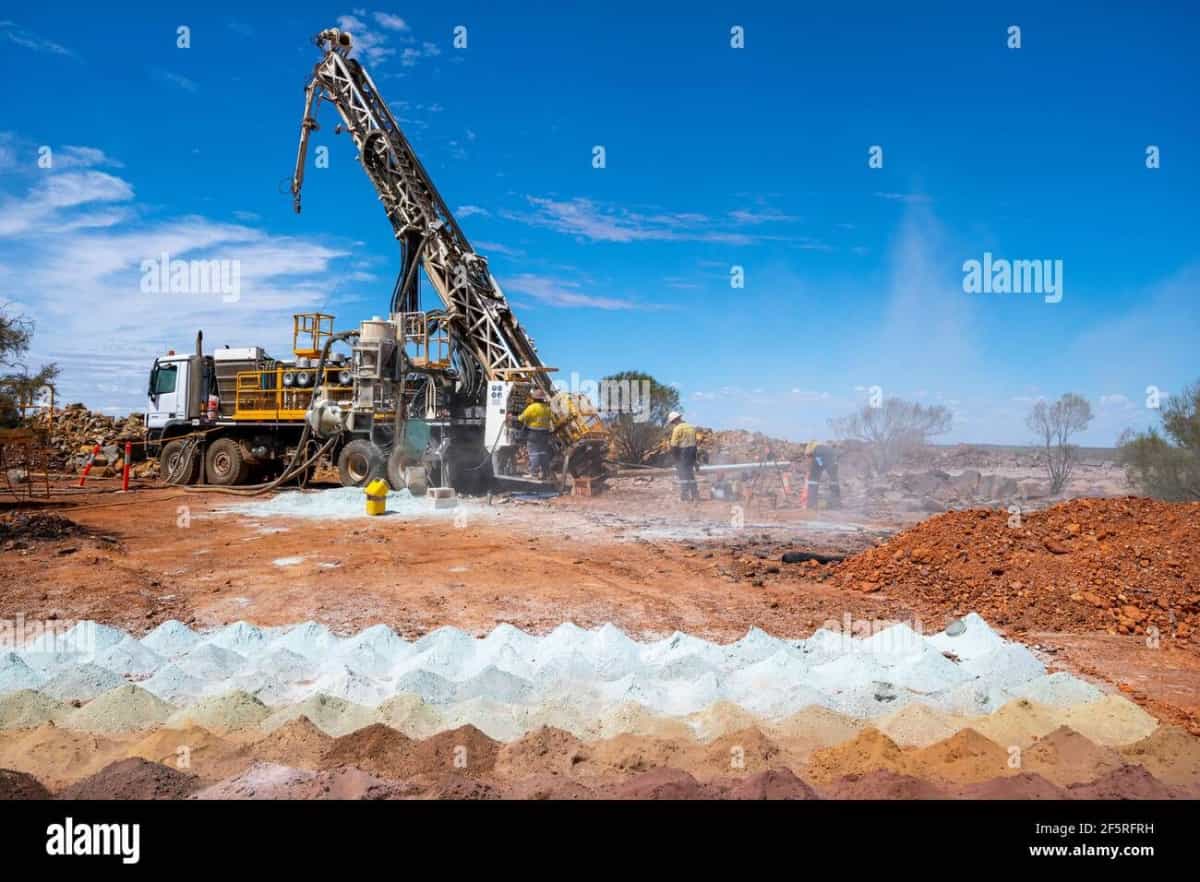
Kookynie gold drilling revives Leonora district, but deposit scale remains unproven
Three explorers are testing old workings and covered ground in a district known for high-grade veins.
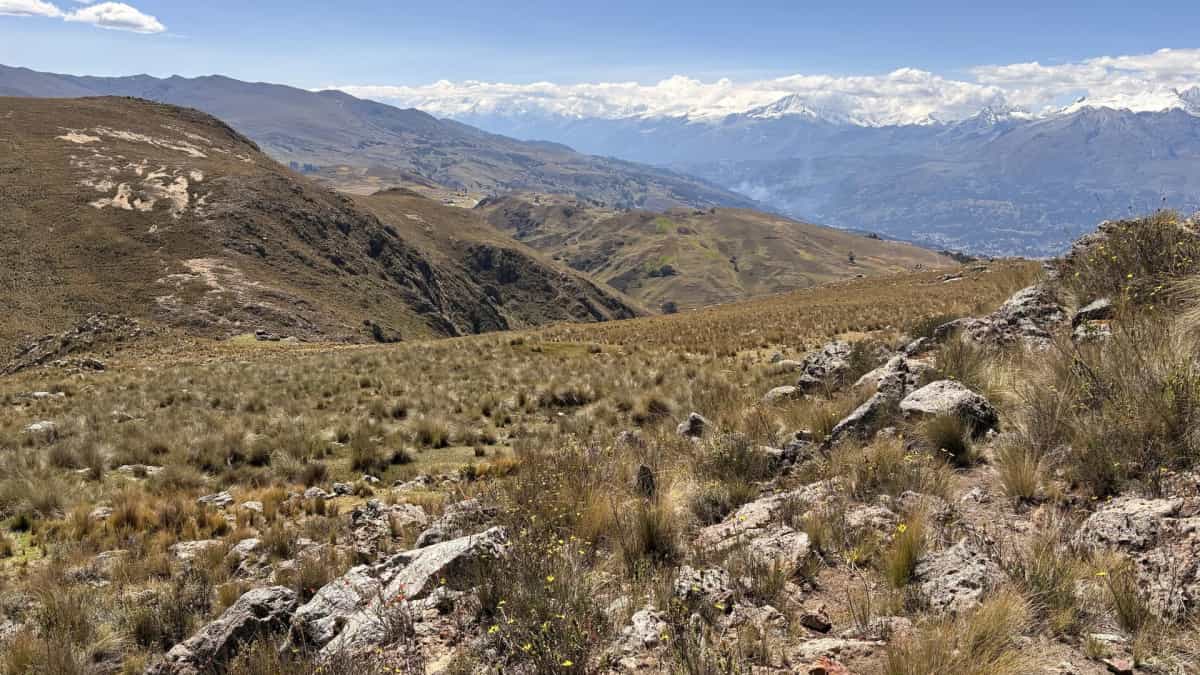
Forte secures access to Alto Ruri, but Peru drilling remains unpermitted
The gold system has a 2-by-1.5-kilometre alteration footprint, yet modern surface work has not tested it systematically.
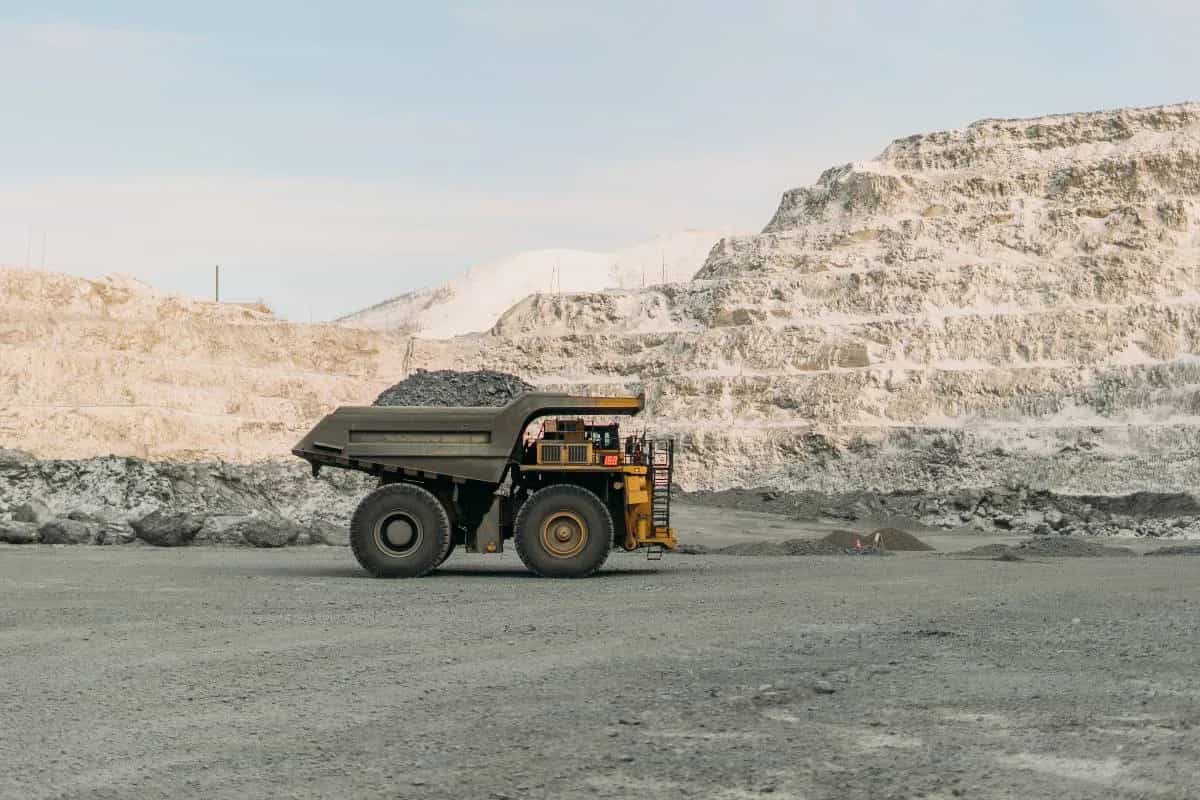
Waratah Minerals hits high-grade gold at Goldenclad as deeper assays remain pending
The first Wollard’s Line test adds a separate target, but assays cover only the upper portions of two deep holes.