
Stallion starts Moonlite surveys as Coyote gamma readings leave grade unproven
Borehole EM and drone magnetics are being added to live Phase II drilling to guide where Coyote is tested next.
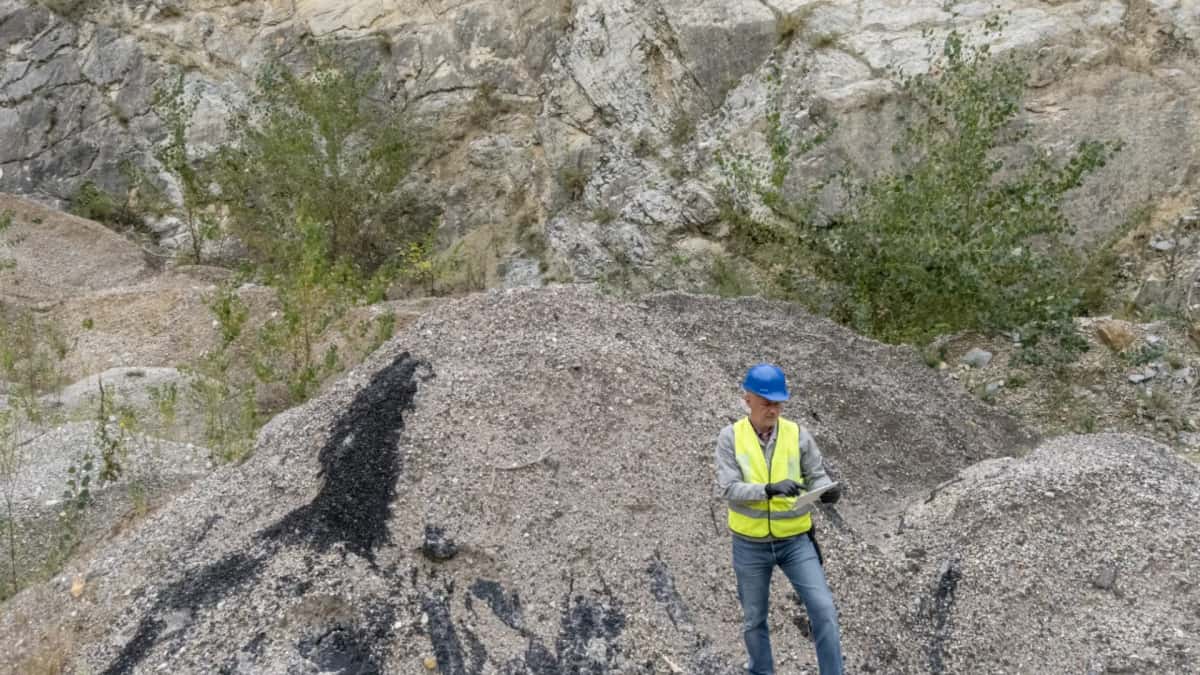
mininghub.com
Why it matters: At Moonlite, the value of the new surveys depends on whether separate geophysical datasets can identify targets worth testing with the drill.
2 of 4 — planned geophysical studies have started.
587 line-kilometres — approximate length of the Coyote drone magnetic survey.
67,613 hectares — Moonlite’s concession area.
1,416 cps — maximum gamma-probe response reported in ML26-005, not a uranium grade.
Stallion Uranium has started two of four planned geophysical studies at its Moonlite project in Saskatchewan’s southwest Athabasca Basin, while Phase II diamond drilling continues along the Coyote corridor. The borehole electromagnetic (BHEM) work and a high-resolution drone magnetic survey are intended to refine interpretation of existing data and help position subsequent holes. The company has reported no new drilling results from these surveys.
BHEM will add downhole data to the Coyote model
Axiom Exploration is conducting the BHEM survey in hole ML26-009, which a November 2026 update listed among the completed holes. The method is designed to supplement Moonlite’s airborne time-domain electromagnetic (TDEM) data with measurements from within the borehole, helping Stallion assess conductive features and prioritize possible drill directions.
Stallion plans to collect BHEM measurements in all holes drilled during the current season. At Moonlite, those readings will be interpreted alongside gravity, electromagnetic, magnetic and structural data. The company said the combined information is intended to help define the location and orientation of future drilling along Coyote. The work is target-generation, not confirmation of a mineralized zone.
Drone survey covers the Coyote target area
Axiom has also begun a high-resolution magnetic survey using unmanned aerial vehicles over Coyote. The program covers about 587 line-kilometres. Stallion expects the results to help interpret structures identified in a recent ground-gravity survey and refine the area’s structural framework.
One existing downhole measurement at Coyote is from ML26-005, where a gamma probe recorded a maximum response of 1,416 counts per second (cps) within a 2.3-metre interval averaging 595 cps. These are radiometric readings from a borehole instrument, not an assay grade or a measure of uranium concentration. They do not establish the amount or economic significance of uranium mineralization.
Moonlite covers 67,613 hectares across Stallion-owned ground and properties subject to an option agreement with Atha Energy. An October amendment outlined the possibility of forming a 50:50 joint venture over parts of the project, but that venture has not been established. Stallion’s next target decisions will depend on interpreting the new survey data alongside results from the ongoing Phase II drilling.
More in Discoveries
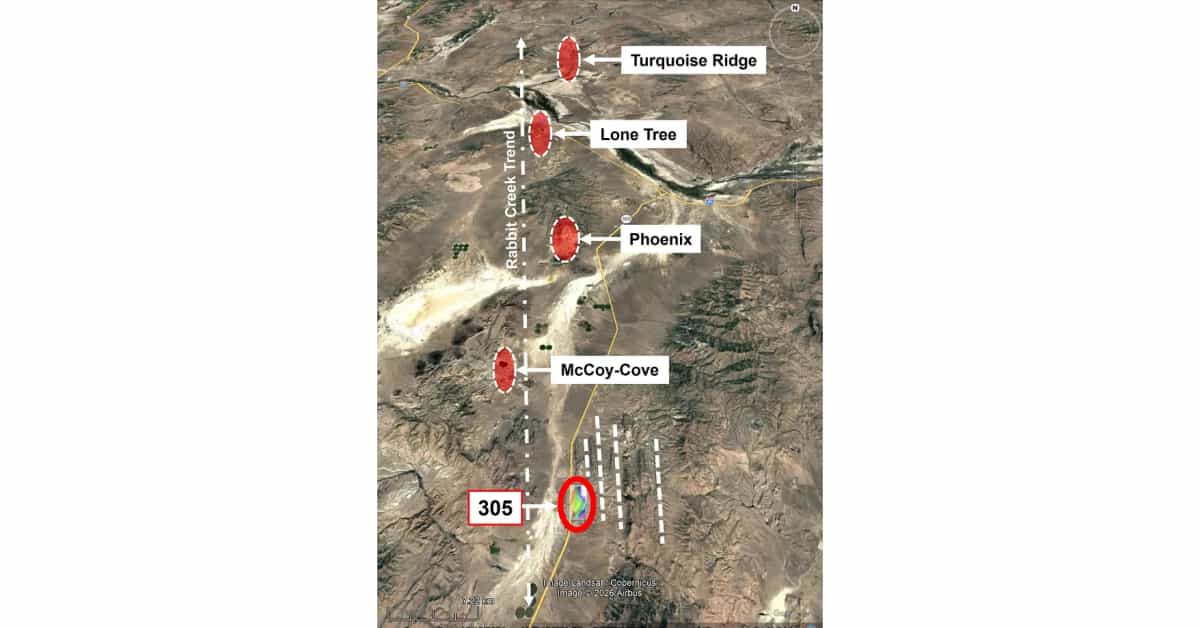
Black Mammoth maps two St. Elmo targets, but neither proves mineable gold
The southern target lies beneath historic workings and overlaps a magnetic feature identified in an earlier survey.
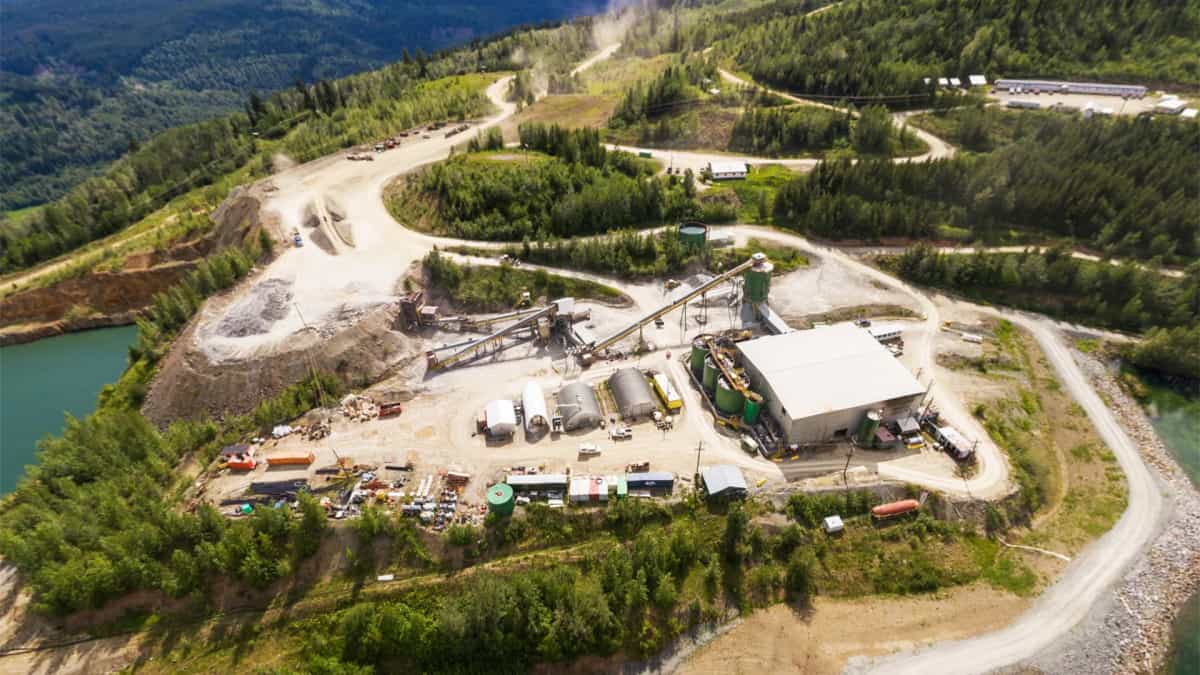
Osisko finds high-grade gold beyond Lowhee resource, but scale remains unknown
The holes tested deep and southeast extensions at Barkerville Mountain, where few vein corridors have been modelled.

NiobiumX targets Quebec niobium near Niobec as US import reliance sharpens the stakes
Shipshaw's nearest boundary is less than two kilometres from an operating mine, but proximity alone cannot establish what lies beneath the claims.