
Phenom reports 3.59 g/t gold at Dobbin, but most of Nevada target remains untested
Oxide mineralization starts near surface, but the first campaign sampled only a fraction of the broader target.
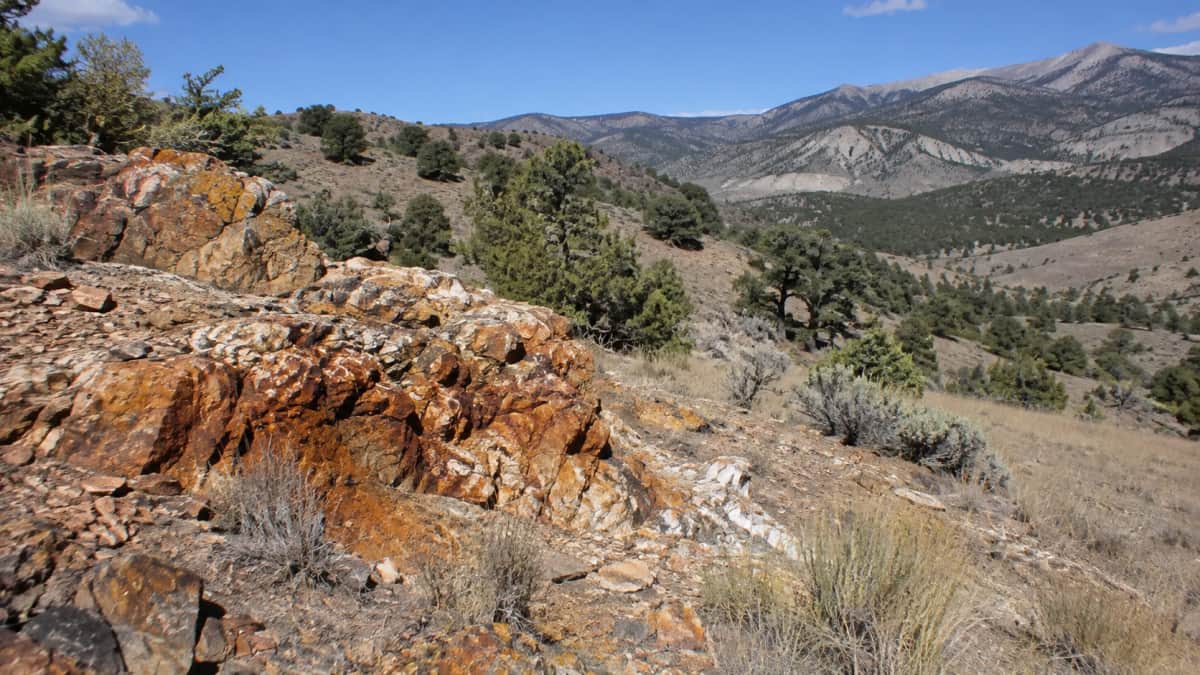
Why it matters: The early intercepts give Phenom a drill-defined starting point, but the scale and continuity of Dobbin’s gold system remain unknown.
15.24 metres at 3.59 g/t gold — DDH26-02, including 1.22 metres at 18.20 g/t.
11 holes and 2,690 metres drilled — eight holes still have assays pending.
2.1 kilometres by 200 metres — approximate dimensions of the northeast-trending soil anomaly.
650 metres — the length of the anomaly tested so far.
Phenom Resources reported a 15.24-metre gold intercept grading 3.59 g/t in the first diamond-drilling results from its Dobbin project in Nevada. Hole DDH26-02 intersected oxidized mineralization beginning 12.2 metres below surface, including 1.22 metres at 18.20 g/t gold. The company released the results on November 25, 2026.
Dobbin is in the Monitor Range, about 140 kilometres south of Eureka. Phenom controls an 85% interest through its subsidiary Copper One USA; an SSR Mining subsidiary holds the remaining 15%. The reported interval lengths are not identified as true widths in the available project details.
First assays confirm gold in three holes
The first three holes returned gold assays. DDH26-01 intersected 4.57 metres at 3.31 g/t, including 3.05 metres at 4.78 g/t. DDH26-03 returned 13.72 metres at 0.65 g/t. These results, together with DDH26-02, came from oxidized, gently dipping geological structures, according to the company.
Surface sampling near the drilling provides additional local context: one exploration trench returned eight metres at 4.55 g/t, including two metres at 10.35 g/t. Another sampled area returned 24.38 metres at 0.57 g/t, including 9.14 metres at 1.19 g/t. The proximity of these surface results and drill intercepts may help guide further targeting, but does not establish that they form a continuous mineralized structure.
Drilling has tested only part of the anomaly
The 2026 program targeted a northeast-trending gold-in-soil anomaly about 2.1 kilometres long and 200 metres wide. Drilling covered a segment of roughly 650 metres, leaving much of the anomaly untested. The 11-hole campaign totalled 2,690 metres; assays from eight holes were pending when the results were reported.
Phenom also identified an altered and mineral-replaced rock unit interpreted to be 114 to 130 metres thick along the drilled area and open toward untested ground. That thickness describes the altered unit, not a continuous gold intercept or an economic mineralized zone. The company said the geology has similarities to Nevada’s Carlin-type gold systems, but further work is needed to establish the nature and extent of mineralization at Dobbin.
Follow-up work depends on pending assays
Weather conditions ended fieldwork after the 11 holes were completed. Phenom expects to resume exploration in the boreal spring of 2027, with possible infill drilling within the tested 650-metre segment and holes at different orientations to refine its interpretation of the structures.
The shallow oxidized intercepts may warrant mineralogical and metallurgical investigation, but no recovery results or mining economics were reported. Dobbin has no mineral resource estimate, and the current drilling does not establish mineable dimensions or continuity. The outstanding assays will help the company set priorities for its next campaign.
More in Discoveries
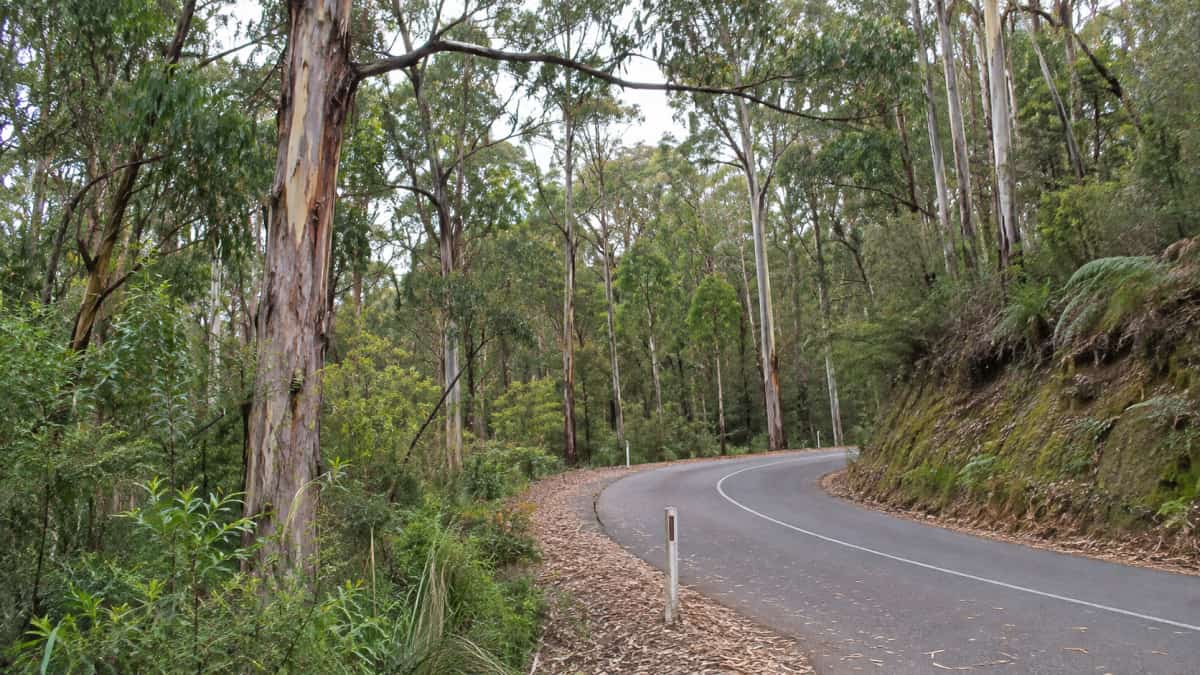
Crossroads Gold secures Club Terrace licence, but 34km corridor remains untested
Four historic gold districts lie within the licence area, but none has been tested with modern gold drilling.
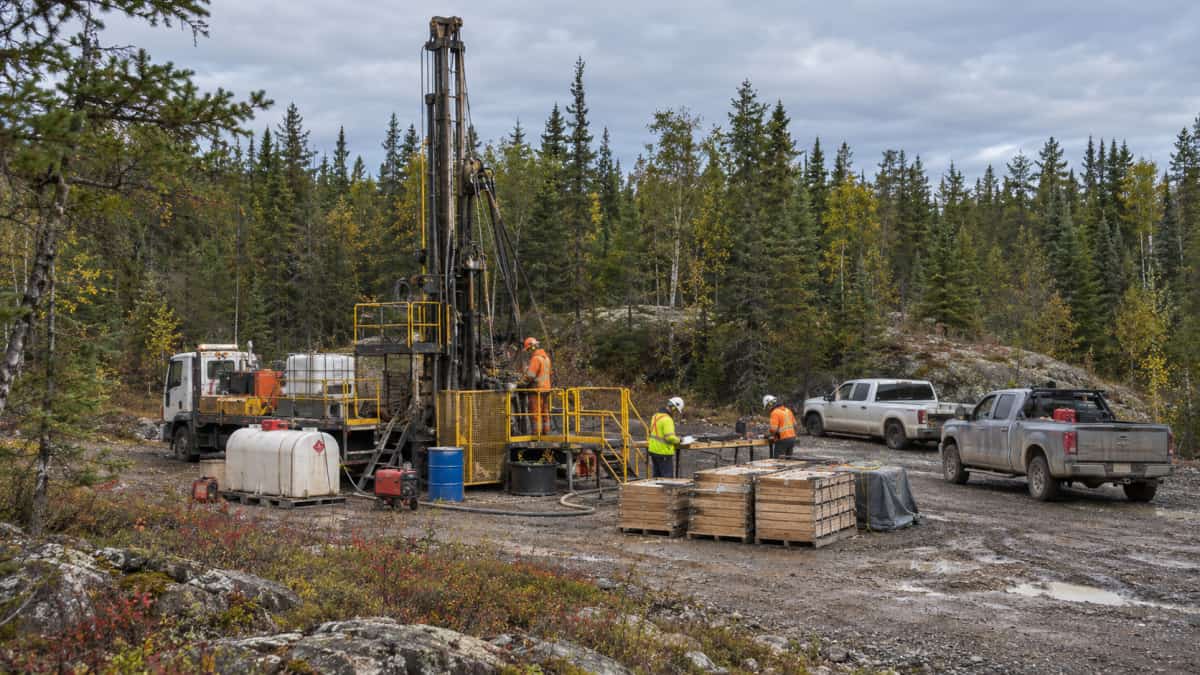
Athena Gold completes Forester survey, but Ontario’s next drill targets remain open
The geophysical work covers a 14,930-hectare property, while Laird Lake’s high-grade Scooby zone poses a separate test of continuity.
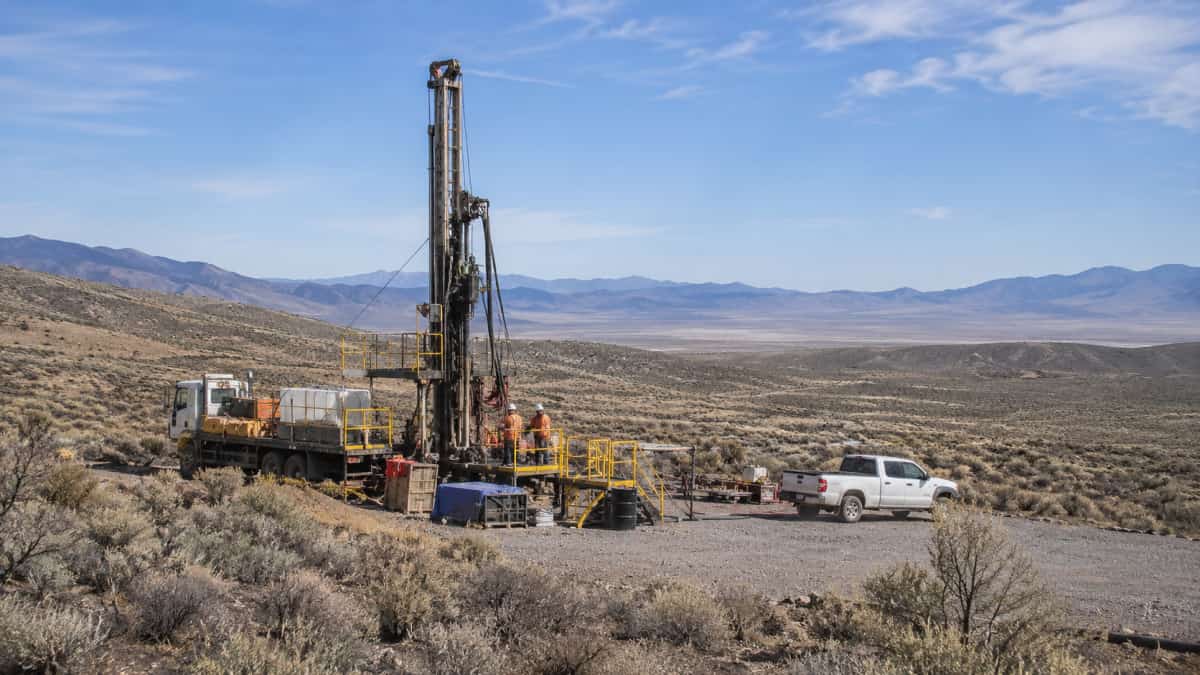
BCM adds second rig at Utah copper project to test buried southern target
The target lies beneath sediment, and its porphyry-skarn interpretation remains unconfirmed until drilling reaches bedrock.