
Crossroads Gold secures Club Terrace licence, but 34km corridor remains untested
Four historic gold districts lie within the licence area, but none has been tested with modern gold drilling.
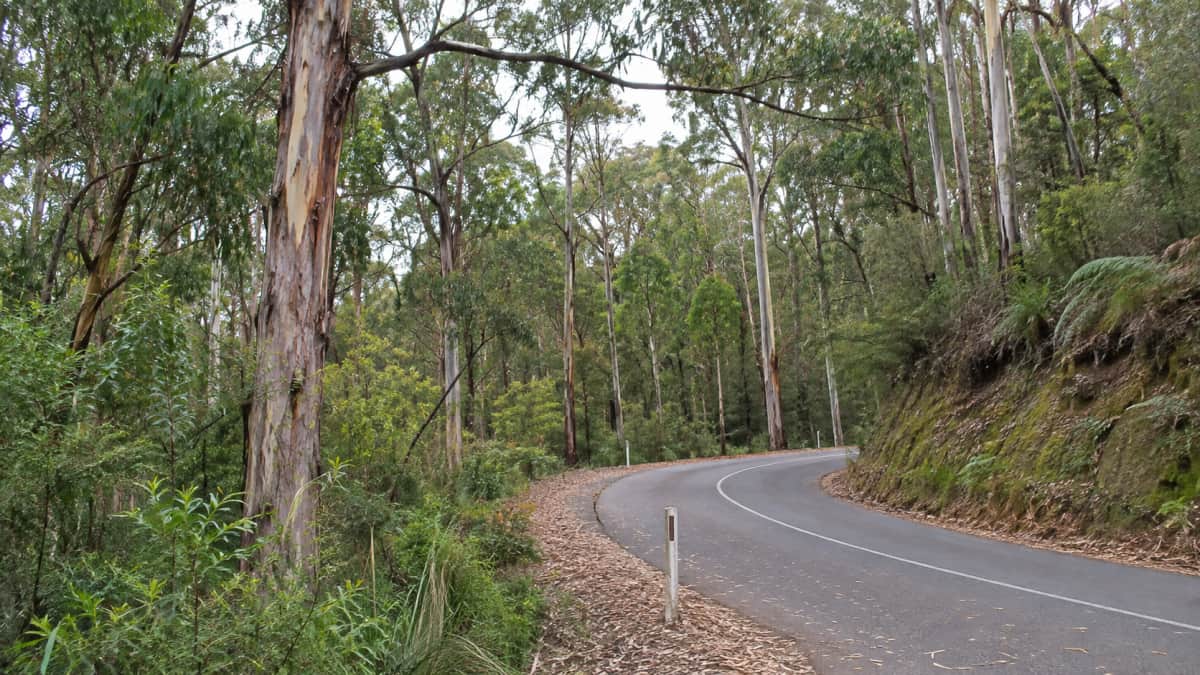
Why it matters: Modern exploration could test whether old, high-grade workings in East Gippsland point to a broader gold system.
126 km² — area covered by the Club Terrace licence
34 km — length of the structural corridor
11,799 oz — historical gold production recorded at Boulder
Crossroads Gold has secured a five-year exploration licence for its Club Terrace gold project in East Gippsland, Victoria, giving the company access to a 126 km² area containing four historic gold districts with no modern gold exploration drilling. The licence, EL008761, was granted to Rox-Ex Pty Ltd, a wholly owned subsidiary, and runs to 19 November 2031.
The company said it plans to combine historical mining records with high-resolution topographic surveys and geochemical sampling to identify targets for drilling. The licence covers a 34 km structural corridor associated with the regional Bemm and Club Terrace faults, about 420 km east of Melbourne.
Boulder’s historical production guides target selection
The former Boulder mine is among the priority areas. Records for 1898 to 1902 report recovery of 11,799 ounces of gold from 5,693 tonnes of material, equivalent to an estimated recovered grade of 64.5 g/t.
Those figures are historical and incomplete, and Crossroads has not independently verified the original records. They relate to material selected during earlier mining and should not be treated as representative of the grade of any remaining mineralisation. The company says the lack of modern drilling leaves potential extensions of the mined veins, laterally and at depth, to be tested.
Other priority targets include the former Ace of Clubs mine and workings at Poddy Creek. The licence’s corridor length describes the area of exploration interest, not a defined deposit; drilling will be needed to establish whether mineralisation is present and determine its extent and characteristics.
LiDAR and sampling to refine drill targets
Crossroads plans to use LiDAR to map terrain features associated with old workings, including in vegetated areas, and to digitise historical mine plans. The company also outlines 3D geological modelling, soil and rock sampling, portable X-ray fluorescence analysis and stream-sediment sampling as parts of its exploration program.
The staged approach is intended to help prioritise locations before deeper drilling. The company has described plans for initial shallow exploration drilling followed by diamond drilling, but the licence itself does not authorise every proposed activity. Crossroads will need to obtain low-impact exploration permits, known as LIEPs, before carrying out initial drilling.
Access and approvals remain part of the work
Club Terrace lies in the Lachlan Fold Belt, a large geological province in southeastern Australia. Crossroads is focusing on structures that may have channelled hydrothermal fluids and hosted gold-bearing quartz veins, but the geological setting alone does not establish mineralisation at the project.
The licence area includes mainly state forest, as well as private land and areas around roads. Exploration planning will therefore need to address access, environmental conditions and Indigenous cultural heritage requirements, alongside the licence’s spending and reporting obligations.
Crossroads also holds the Pambula, Steiglitz and Pheasant Creek projects in southeastern Australia. Soil sampling at Pambula returned results of up to 21.8 g/t gold in September 2026; those results are from a separate project and do not establish grades at Club Terrace. Club Terrace has no current mineral resource or reserve estimate. The next project-specific step is to secure the required permits and select sites for its first modern drilling.
More in Discoveries
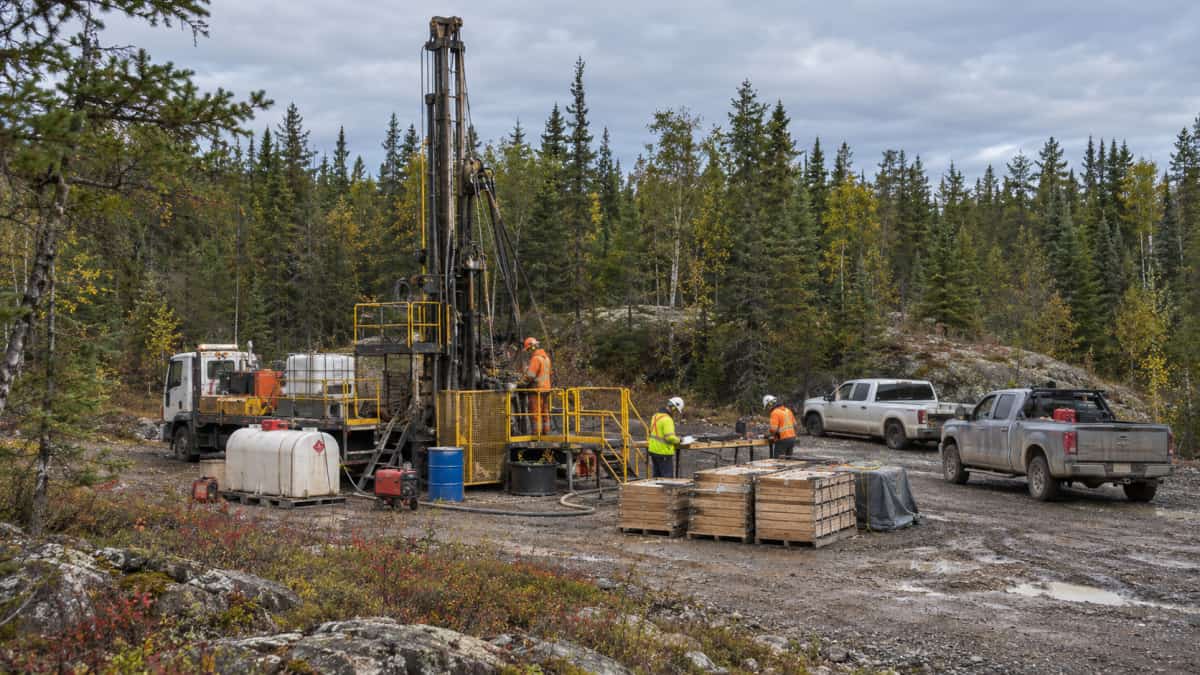
Athena Gold completes Forester survey, but Ontario’s next drill targets remain open
The geophysical work covers a 14,930-hectare property, while Laird Lake’s high-grade Scooby zone poses a separate test of continuity.
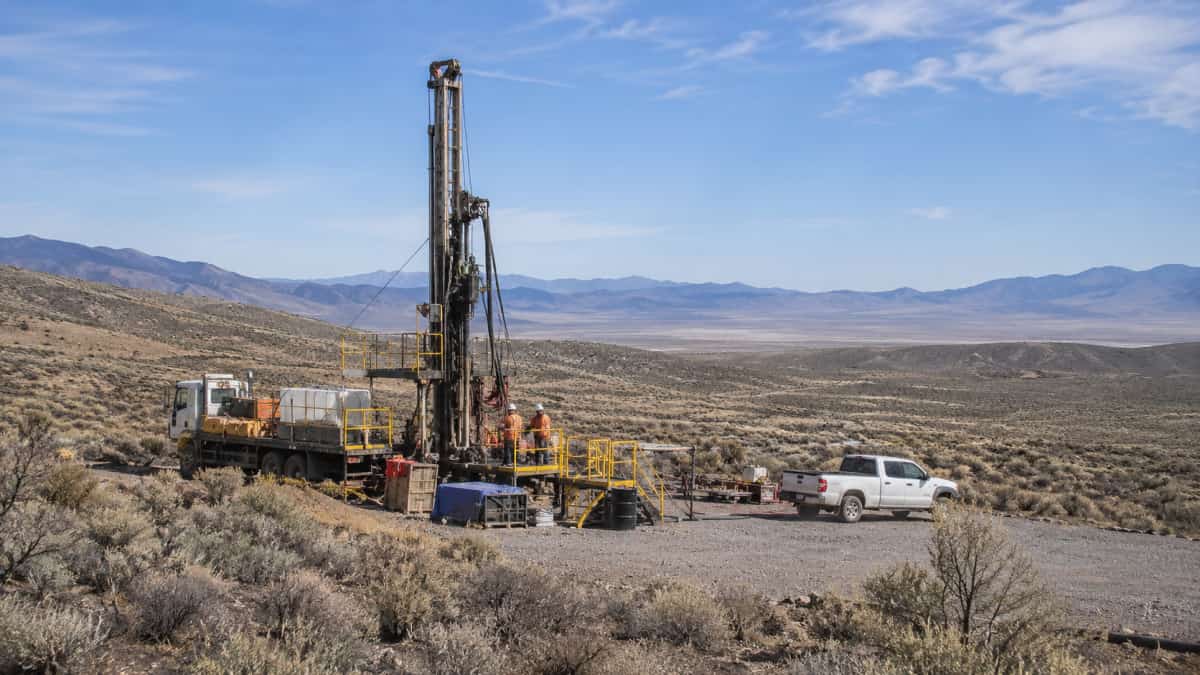
BCM adds second rig at Utah copper project to test buried southern target
The target lies beneath sediment, and its porphyry-skarn interpretation remains unconfirmed until drilling reaches bedrock.
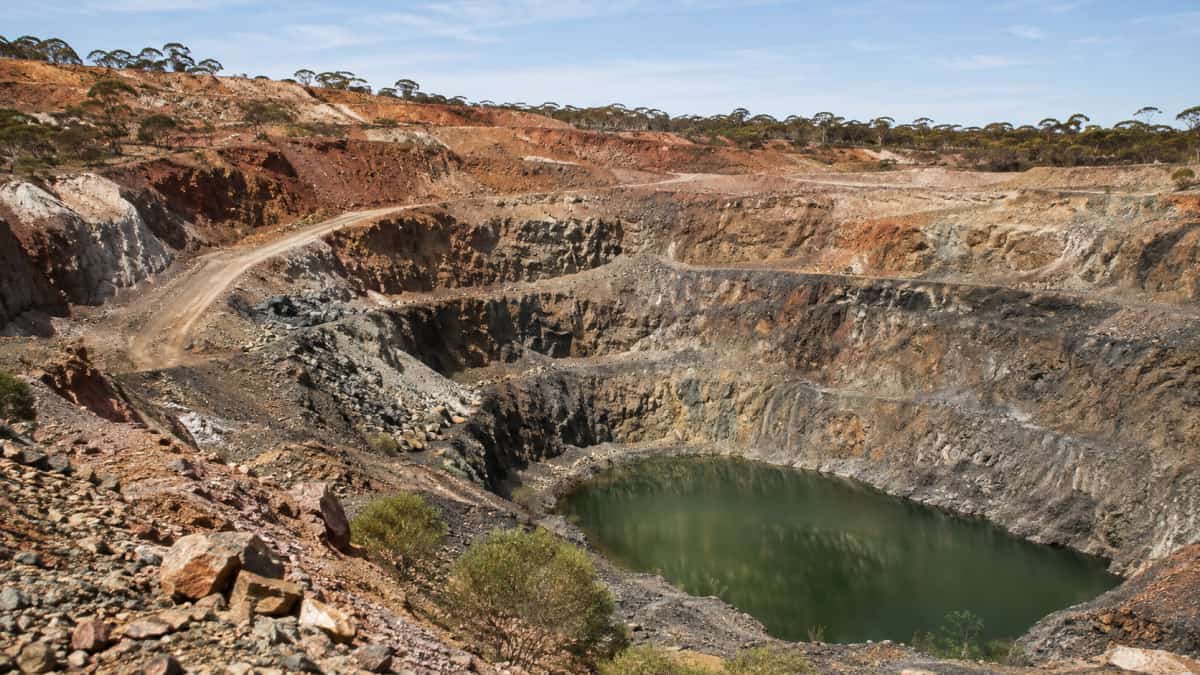
Corazon Mining identifies three gold targets at Chalice, but drilling has yet to test them
The soil program was built for lithium, so the gold case now depends on pathfinder chemistry and follow-up work.