
Lion One hits high-grade gold at Tuvatu, but Zone 500 hole misses two veins
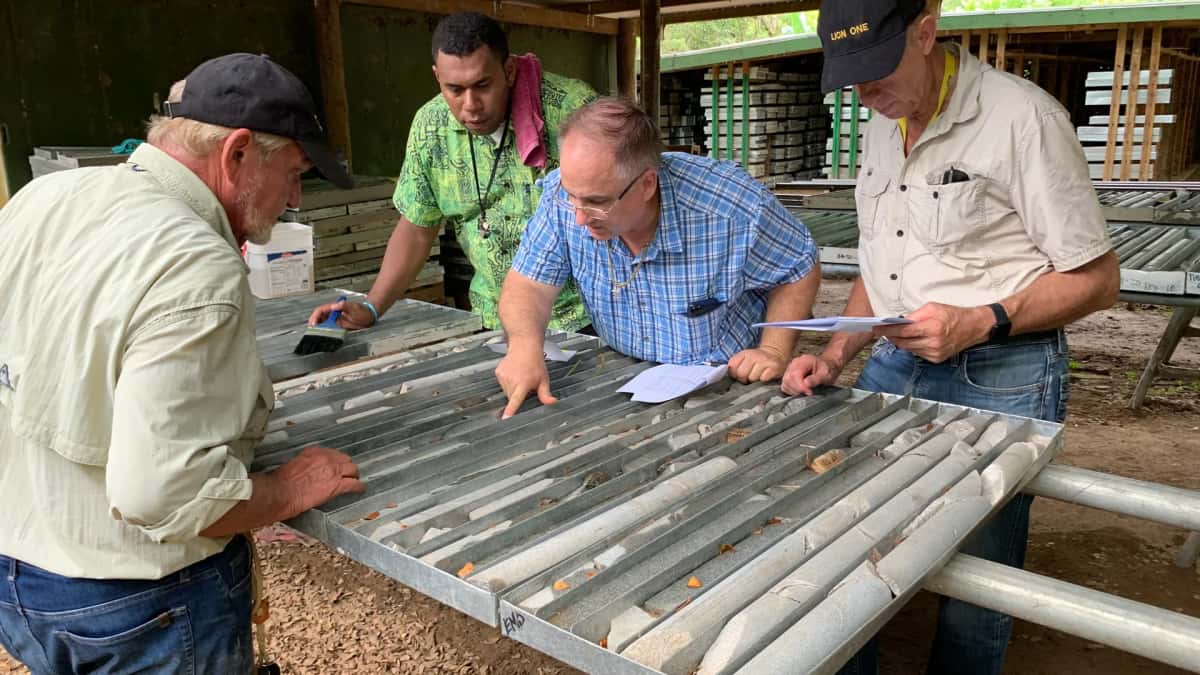
The 1051 station was designed to improve angles into steep structures, but the first underground test also had to prove it could stay on course.
liononemetals.com
Why it matters: The result adds high-grade gold to Tuvatu’s Zone 500, but the first underground hole did not test most of its planned targets.
44.39 g/t gold over 2.0 metres — the main interval in hole TGC-0709
474.3 metres — the hole’s final depth, short of its planned 555 metres
Eight holes totalling 4,480 metres — planned from the 1051 underground station
Lion One Metals reported 44.39 grams of gold per tonne over 2.0 metres in the first underground hole targeting Zone 500 at its Tuvatu project in Fiji. Hole TGC-0709 deviated from its planned path and ended at 474.3 metres, before reaching two of the three structures it was designed to test.
The main interval in the hole, drilled from the 1051 station, included 66.11 g/t over 1.3 metres and, within that, 158.76 g/t over 0.4 metres. The company also reported intervals of 21.92 g/t over 0.4 metres and 27.57 g/t over 0.5 metres. These are downhole lengths, not true widths; Lion One said local variation in the structures’ orientation means true widths are unknown.
TGC-0709 drifted from its planned targets
The drill plan called for the hole to cross three veins: UR2-NOC1, UR2-NOC13 and UR4-NOC8. Instead, TGC-0709 deviated south and downward, intersecting the first target about 60 metres from its planned position. Lion One said the deviation reduced the likelihood of reaching the other two structures, and the hole was stopped short of its planned depth.
The 44.39 g/t interval lies in the UR2-NOC1 vein, part of the UR1 and UR2 vein system that makes up a significant portion of Zone 500. It is 40 metres northwest of two earlier intersections in UR2-NOC13: 76.9 metres grading 20.86 g/t in hole TUG-141 and 20.1 metres grading 23.02 g/t in TUDDH-601. TGC-0709 did not reach that vein.
The reported intervals were calculated using a 3 g/t gold cut-off, with less than one metre of internal dilution below that threshold and no cap on high-grade assays. In September 2026, Lion One reported 4.6 metres grading 82.28 g/t at Tuvatu from grade-control and infill work.
The 1051 station changes the drilling geometry
Earlier Zone 500 drilling came from surface or near-surface positions. Lion One said those holes met the steeply dipping structures at suboptimal angles. Drilling from the 1051 level, one of the mine’s lowest levels, allows the company to vary hole direction and inclination in an effort to better assess true widths. The first hole, however, did not establish those widths.
TGC-0709 also intersected 6.41 g/t over 0.4 metres at 81.75 metres downhole, above Zone 500. Lion One said the mineralisation was not expected and could represent a new structure or an extension of a known one; neither interpretation has been confirmed.
The hole was the first of eight planned from the station, for a total of 4,480 metres, and the first Zone 500 drilling from underground since definition programs in 2020–2022. It also marked the first use on this target of the company’s new Boart Longyear LM90 underground drill rig. Lion One said it adjusted the planned angles and azimuths of subsequent holes to account for the deviation; the second hole was nearing completion when the results were reported.
Assays and quality controls
Lion One said chief geologist Melvyn Levrel, a company employee and qualified person under NI 43-101, reviewed and approved the technical information, including drill logs, sampling procedures, assay certificates and quality-control checks.
Exploration samples were split at the site, with one half sent to the company’s Fiji laboratory and the other retained. Gold was analysed by fire assay with atomic absorption finish; samples above 10 g/t were re-analysed by gravimetric methods. The company also sends ALS Global in Brisbane or Townsville duplicates equivalent to 5% of samples grading above 0.5 g/t for check assays. Lion One said its Fiji laboratory is accredited to ISO/IEC 17025:2017 for gold analysis.
More in Discoveries
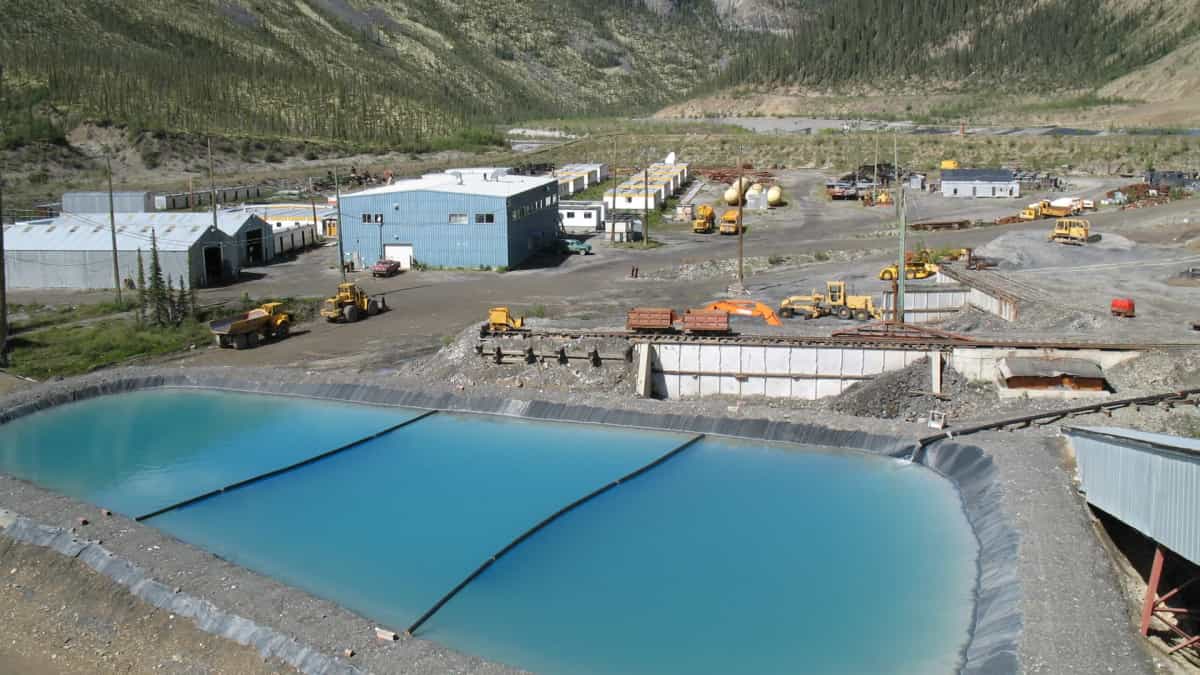
Honey Badger’s Sunrise Lake assays face a test against a fire-damaged record
A 2014 wildfire destroyed stored core, leaving the company to compare new drilling with a legacy database it cannot fully resample.
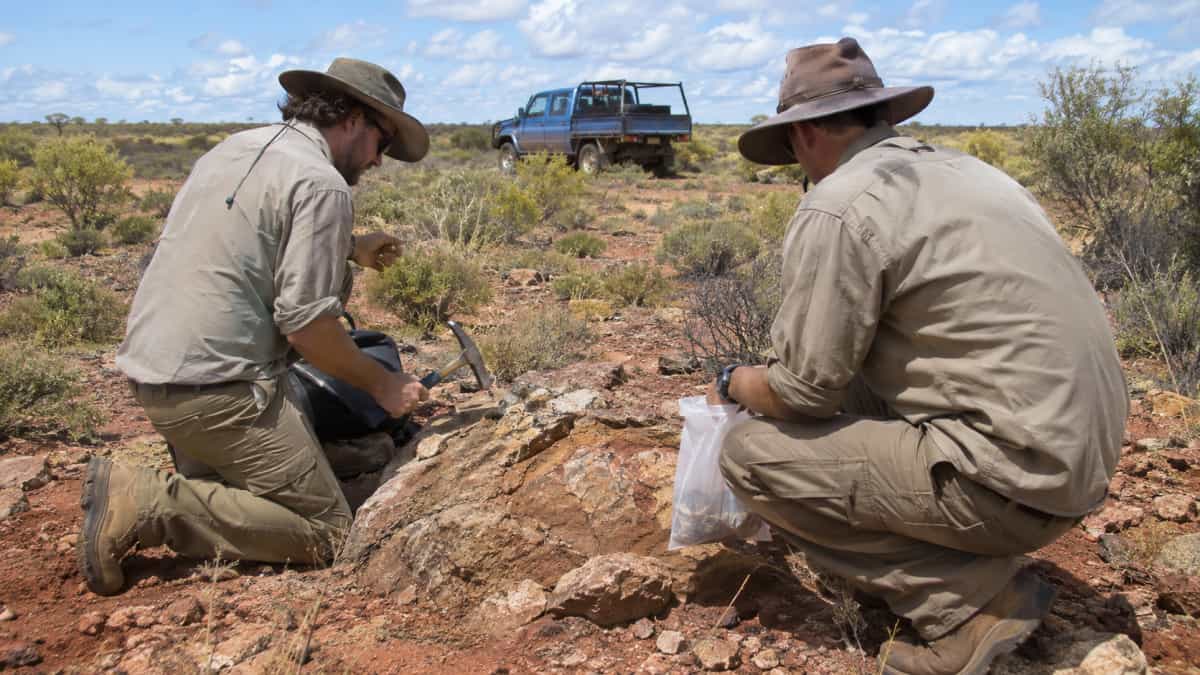
Danakali resets Deckard exploration as alluvial cover masks Western Australian targets
Thin alluvial cover makes the underlying geology difficult to inspect, leaving the first tests to assess interpreted targets rather than exposed mineralisation.
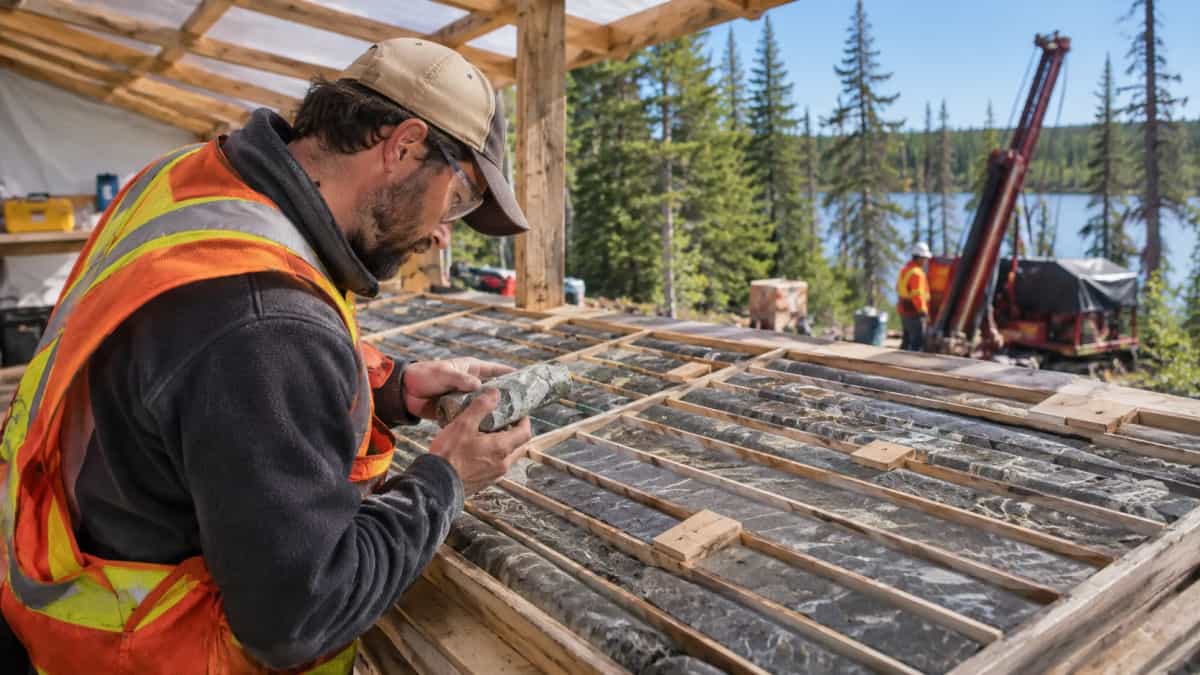
Trident tests whether Contact Lake gold extends below Saskatchewan mine
Cameco mined Contact Lake from 1994 to 1998; Trident is now testing ground beneath the old workings.