
Gorilla Gold finds high-grade gold at Vivien, but continuity remains untested
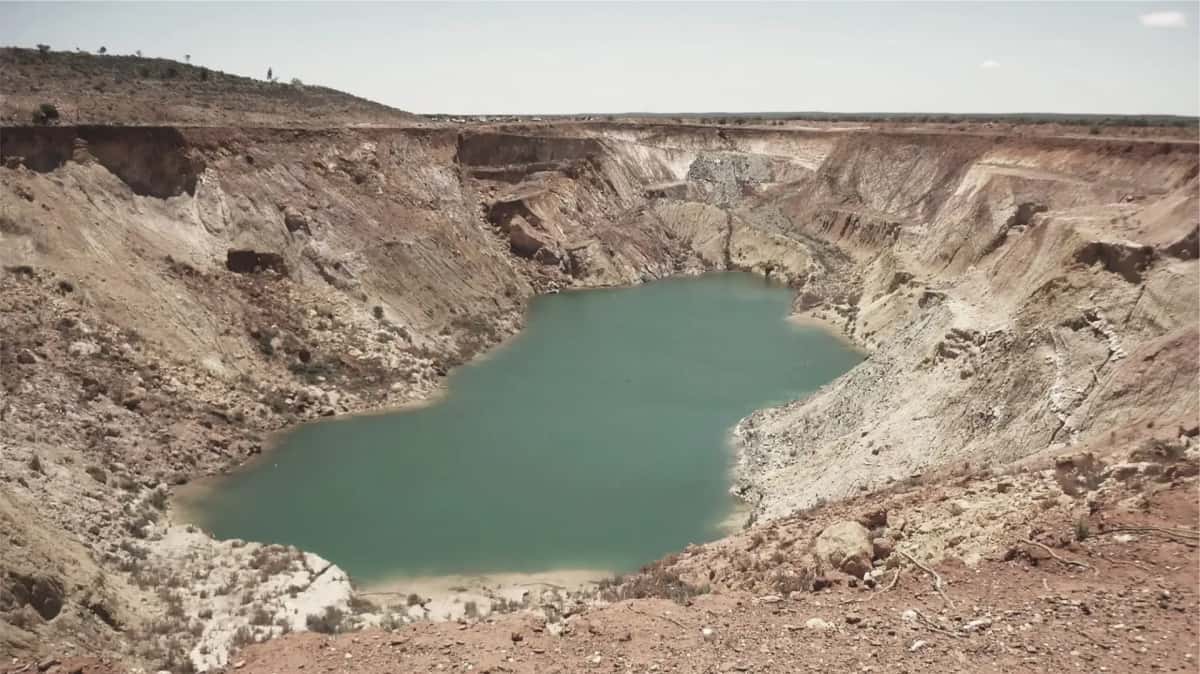
Targets now span ground near Vivien’s old pit and a structure almost 600 metres below surface.
gorillagold8.com
Why it matters: If follow-up drilling establishes continuity, Vivien’s new targets could add exploration potential near existing mine workings and infrastructure.
5.7 m at 19.7 g/t gold — main intercept at the Vince prospect.
0.5 m at 33.8 g/t gold — deeper Vince intercept, at about 590 m below surface.
2.1 million tonnes at 4.1 g/t gold — Vivien’s current mineral resource, equivalent to 278,000 ounces.
More than 400 m — strike length over which Gorilla Gold has identified mineralisation at Val.
Gorilla Gold reported a 5.7-metre intercept grading 19.7 g/t gold at the Vince prospect within its Vivien project in Western Australia. The company is following up targets near the existing pit and at depth, but the continuity and extent of the mineralisation remain to be tested.
Vince drilling tests shallow and deep targets
The main intercept came from a diamond drill hole at Vince, from 243 m downhole. It is about 100 m along strike from an earlier intersection of 2.1 m at 55.4 g/t gold. The spacing between the two points gives the company positions to test for continuity; drilling has also identified parallel veins. The reported intervals are intercept lengths, and no true widths were provided.
The 5.7-metre result lies about 220 m below surface, immediately north of the Vivien open pit. At greater depth, a separate hole returned 0.5 m at 33.8 g/t gold from 674.9 m downhole. Gorilla Gold places this structure about 590 m below surface. The narrow interval is a follow-up target, not evidence of a defined volume of mineralisation.
Diamond drilling is under way to investigate the deeper position. The company is also awaiting results from four holes and is mobilising a reverse-circulation rig to work alongside the diamond campaign. The programme is intended to test both targets near the pit and those identified at depth.
Val lies close to Vivien’s historic workings
At the Val discovery, a hole intersected 0.9 m at 15.7 g/t gold from 142.3 m downhole, in the upper part of the system and about 100 m below surface. Discovered in 2025, Val is oriented perpendicular to Vivien’s main vein, which was mined historically.
Gorilla Gold has identified mineralisation at Val over more than 400 m of strike and 400 m down-dip, across several parallel veins. Both dimensions remain open to exploration. The discovery is about 30 m from the wall of the Vivien pit and 70 m from underground infrastructure. Chief executive Simon Lawson cited that proximity as relevant to further work. The company also said the gold-associated pyrrhotite could help guide follow-up drilling using downhole electromagnetic surveys.
Vivien, 10 km west of Leinster, has historically produced about 370,000 ounces of gold at an average grade of approximately 5.5 g/t. Its current mineral resource is 2.1 million tonnes grading 4.1 g/t, or 278,000 ounces.
Cosmos processing proposal remains conditional
Gorilla Gold’s regional strategy also includes a proposed acquisition from IGO of the Cosmos project and its processing facilities. The plant is 68 km by sealed road from Vivien, but its existing nickel concentrator would require conversion and technical studies to process gold.
The transaction remains subject to shareholder approval and other conditions. Gorilla Gold said it is targeting completion by the end of January 2027; the company announced the agreement with IGO on 16 November 2026.
More in Discoveries
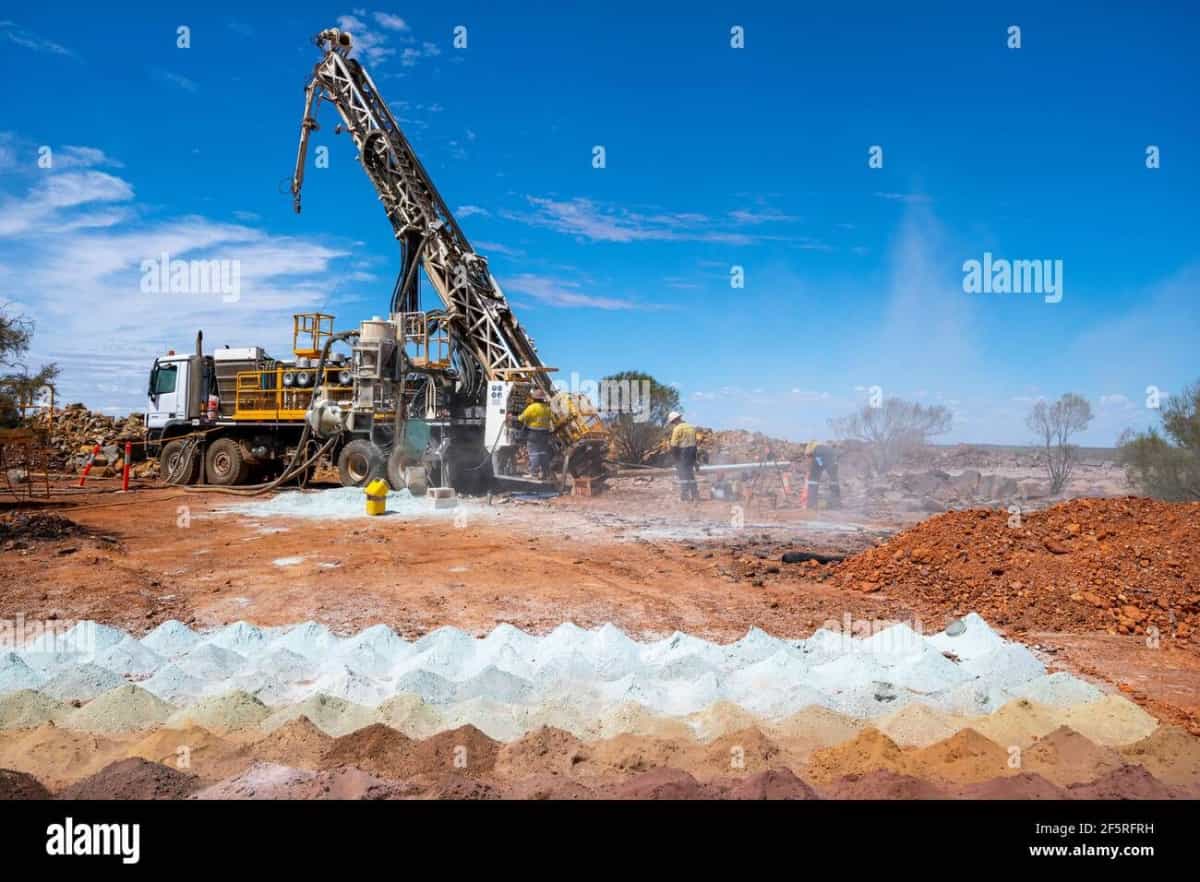
Kookynie gold drilling revives Leonora district, but deposit scale remains unproven
Three explorers are testing old workings and covered ground in a district known for high-grade veins.
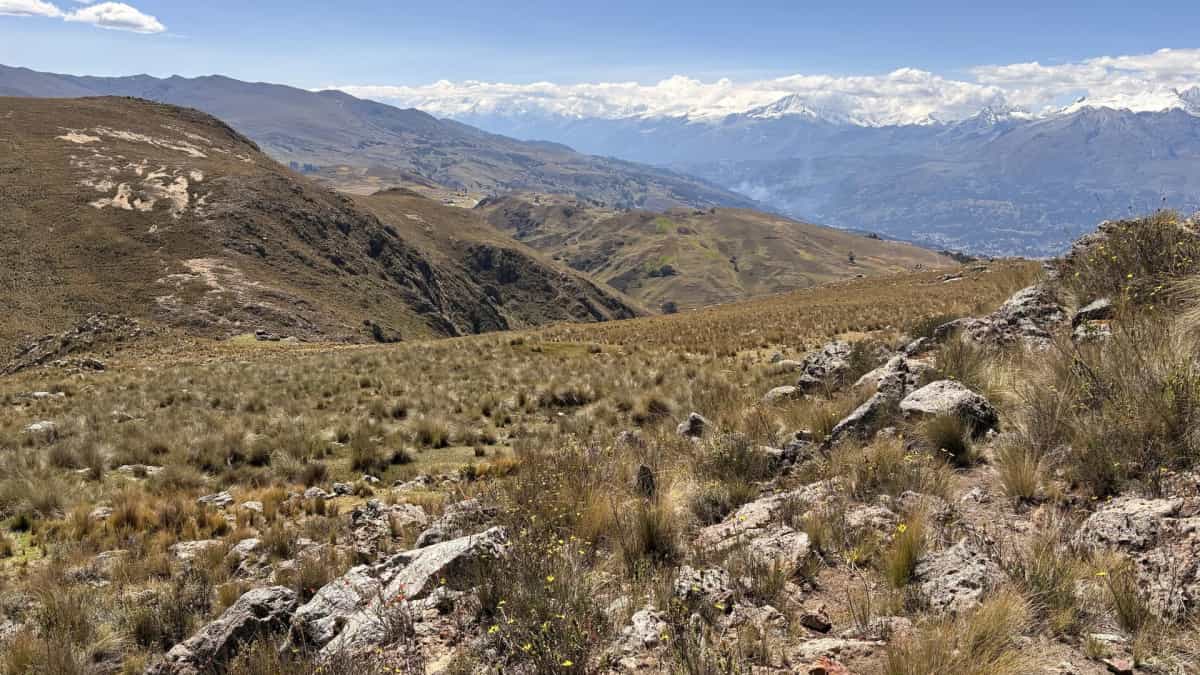
Forte secures access to Alto Ruri, but Peru drilling remains unpermitted
The gold system has a 2-by-1.5-kilometre alteration footprint, yet modern surface work has not tested it systematically.
Waratah Minerals hits high-grade gold at Goldenclad as deeper assays remain pending
The first Wollard’s Line test adds a separate target, but assays cover only the upper portions of two deep holes.