
South Africa’s Transalloys plans job cuts as Eskom tariff approval stalls
The plant has been idle since July, but Transalloys has retained staff while a regulator weighs the power deal needed to restart it.
Why it matters: The proposed cuts put South Africa’s remaining manganese smelting capacity at risk as the industry waits for a power tariff decision.
10% — approximate workforce reduction Transalloys expects over the next two weeks.
600 direct jobs — positions the company previously said were at risk, alongside the livelihoods of about 7,000 people.
30% more energy — Transalloys’ estimate of silicomanganese’s energy use compared with ferrochrome smelting.
0.62 rand/kWh — preferential rate approved for two ferrochrome producers in May.
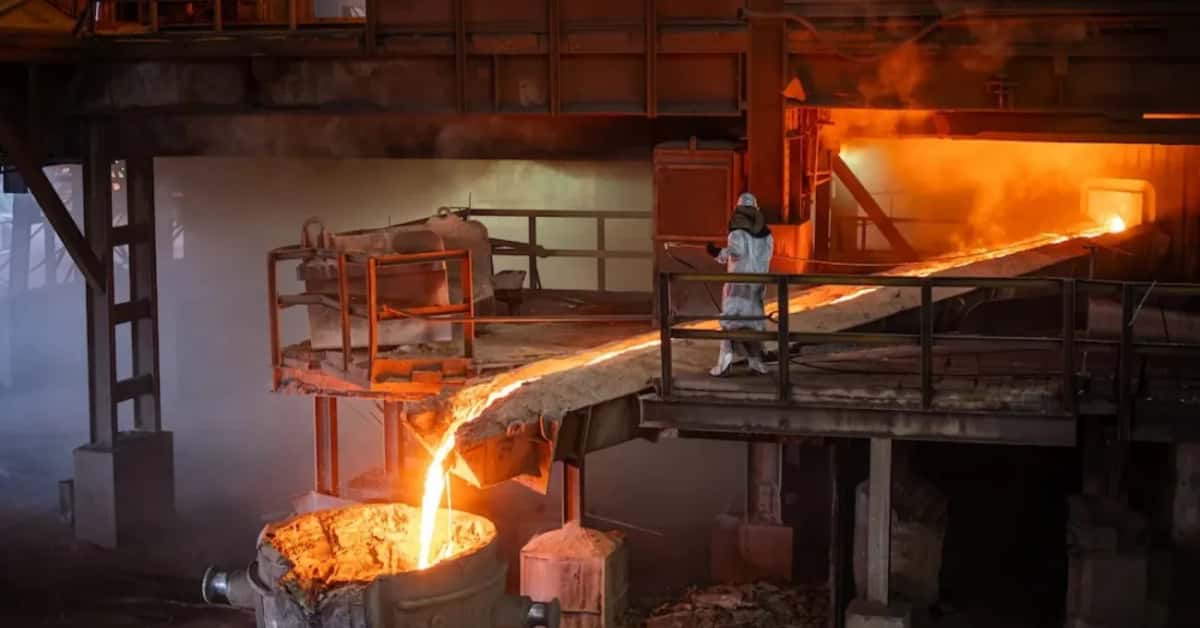
Transalloys plans to cut about 10% of its workforce over the next two weeks as approval of a preferential electricity tariff remains pending with South Africa’s National Energy Regulator (Nersa). The company said Tuesday that it reached an agreement with state utility Eskom in October 2026, but the deal cannot be implemented until the regulator approves it.
Transalloys chief executive Konstantin Sadovnik said the proposal was submitted to Nersa four weeks ago. The regulator has yet to begin the public consultation required for approval, he said.
Production has been suspended since July
The company’s metallurgical complex in Mpumalanga suspended ferroalloy production on July 1, 2026, after several years of financial losses. Transalloys has maintained its workforce while seeking an electricity-cost solution that could allow operations to resume.
In December 2025, the company warned that about 600 direct jobs and the livelihoods of roughly 7,000 people depended on securing economically viable power-supply terms. The planned reduction marks a change after the company kept staff on its payroll during negotiations.
Sadovnik said further regulatory delays could lead to additional layoffs and the permanent closure of the facilities. That would remove the smelting capacity Transalloys describes as South Africa’s last for manganese ferroalloys.
Manganese smelting faces a higher power burden
Transalloys says silicomanganese production consumes about 30% more energy than ferrochrome smelting, leaving it particularly exposed to high electricity costs. Silicomanganese is used in steelmaking to remove oxygen during the metallurgical process and to improve the mechanical properties of the finished steel.
The power negotiations follow a separate tariff arrangement for ferrochrome. Eskom announced in April 2026 that Samancor Chrome and Glencore-Merafe would receive a preferential rate of 0.62 rand per kilowatt-hour. Nersa approved that tariff framework in May.
Sadovnik questioned why manganese producers face a prolonged approval process when a support mechanism has already been approved for another ferroalloy segment. The rates for the ferrochrome producers do not establish the tariff agreed for Transalloys.
The company has asked Nersa to set a timetable for public consultation and approve the Eskom agreement before Christmas. The approval process remains the condition for implementing the tariff; Transalloys says continued delays could bring further job losses and a permanent shutdown.
More in Critical Minerals
China extends critical-mineral export pause as US chip curbs test trade truce
Washington’s advanced-chip rules sharpen a separate technology dispute just days before the minerals pause was due to expire.

Axel REE starts Woolrich drilling, but Brazil’s first ISR test site remains open
The field programme will test whether magnesium-sulphate solution can move through the regolith and be recovered.

IMC Rare Earths lists in New York, but Itarantim still has no reserves
At Brazil’s Itarantim project, expanding drilling and laboratory work are testing whether in-situ recovery can advance beyond a concept.