
US prepares country-specific tariffs on China and EU as product scope remains open
Washington’s probe now reaches beyond steel, but the proposed duties must coexist with existing trade deals.
kharon.com
Why it matters: New country-specific duties could alter trade costs for manufacturers and add uncertainty to cross-border commodity supply chains.
2% to 7.5% — an outside estimate of possible additional duties if the administration seeks to restore pre-court tariff levels.
10% to 15% — the temporary global surcharge was raised on Feb. 22, 2026, after the Supreme Court ruling.
10% to 12.5% — the range applied in July to goods from about 60 economies under a separate investigation.
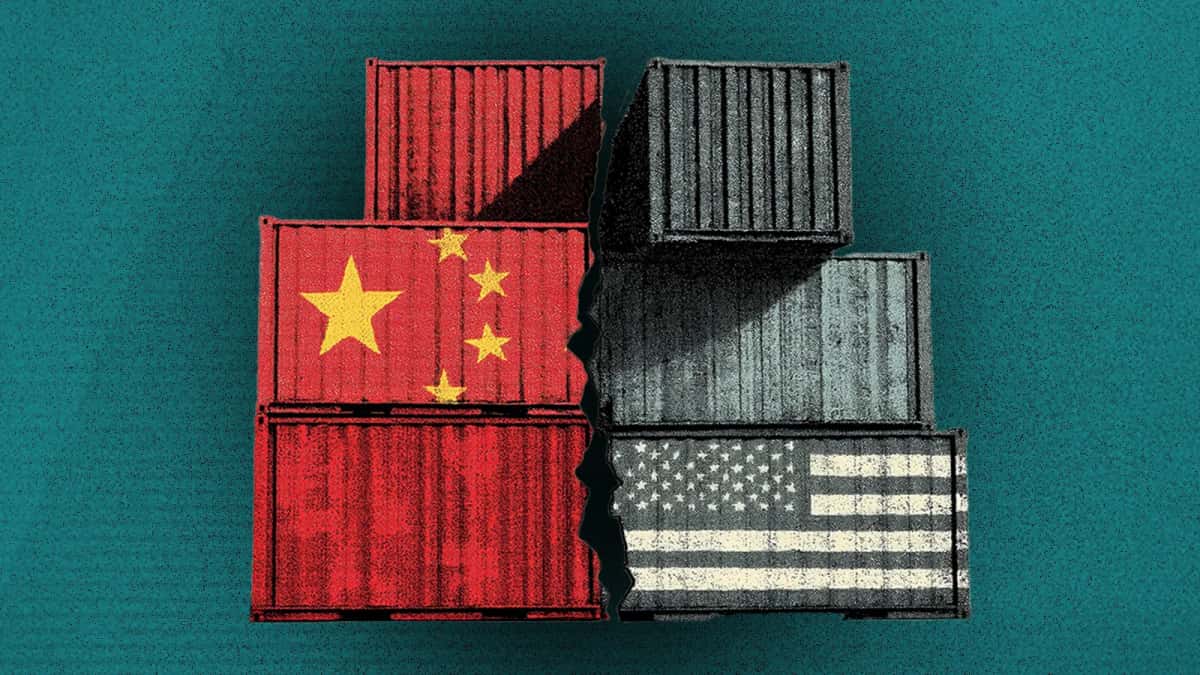
The Trump administration is preparing country-specific tariffs on imports from China, the European Union and more than a dozen other economies, potentially for announcement on Tuesday, Nov. 24. The duties would replace global tariffs struck down by the US Supreme Court, but the affected products and start date have not been confirmed.
The proposed tariffs would focus mainly on manufactured goods rather than apply at one uniform rate. People familiar with the plan said the new charges would not push total tariffs above levels agreed in individual trade deals, including agreements with the EU and China.
Section 301 probe extends beyond steel
The US Trade Representative’s Office (USTR) is expected to conclude an investigation into excess manufacturing capacity in the targeted economies. Opened in March after the court invalidated the earlier global tariffs, the inquiry is being conducted under Section 301 of the Trade Act of 1974, which allows the president to impose tariffs unilaterally in response to trade practices deemed unfair.
The administration alleges that investigated economies subsidise domestic manufacturers and harm US producers by exporting goods at low prices. US Trade Representative Jamieson Greer has argued that China, the EU and other economies have flooded the US market with cheap products.
The inquiry broadens a dispute that had focused heavily on steel and dumping complaints from that industry to other manufacturing sectors. Its findings could provide the basis for a new set of duties, but the final product coverage has not been made public.
China could face broader coverage
Chinese imports are expected to receive broader treatment than goods from other countries, with no exemptions, according to a person familiar with the details. The tariffs would nevertheless remain within the limits of the trade truce reached by US President Donald Trump and Chinese President Xi Jinping in South Korea in 2025.
Trade policy adviser Deborah Elms estimated that duties could add between 2% and 7.5% if the administration’s goal is to return to tariff levels in place before the Supreme Court ruling. That is a conditional estimate, not an official rate announced by the government.
The timing remains uncertain. Although an announcement was expected this week, Trump has changed course on trade policy before, and the precise products and implementation date remain unresolved.
Other tariffs face a separate court challenge
The tariff push follows a Republican setback in the November midterm elections, with frustration over the cost of living cited as one factor. Additional duties could increase political pressure on a policy Trump has defended as support for US manufacturers and domestic investment.
In July, the administration imposed tariffs of 10% to 12.5% on goods from about 60 economies following a separate investigation into alleged failures to address forced labour. Those duties are being challenged in the US Court of International Trade. The new initiative rests on a different investigation, and its final terms have yet to be published.
More in Resources

Chile’s October producer prices rose as copper pulled mining ahead of the wider basket
The national index combines commodity-linked extraction with factory and utility prices, whose contributions diverged in October.

Chile grid coordinator lifts frequency reserves after blackout, but gaps persist
A national restoration drill tested whether recovery plans can work across operators, as compliance reviews continue to flag shortcomings.
Zelenskyy turns to US Congress as 48 Patriot interceptors await approval
Kyiv wants tougher pressure on Moscow, while Russian strikes are widening the demands on Ukraine’s air defences.