
US copper moves back toward China as tariff odds fade and prices slide
China’s import premium has climbed sharply, but most reported exchange stocks remain in US warehouses.
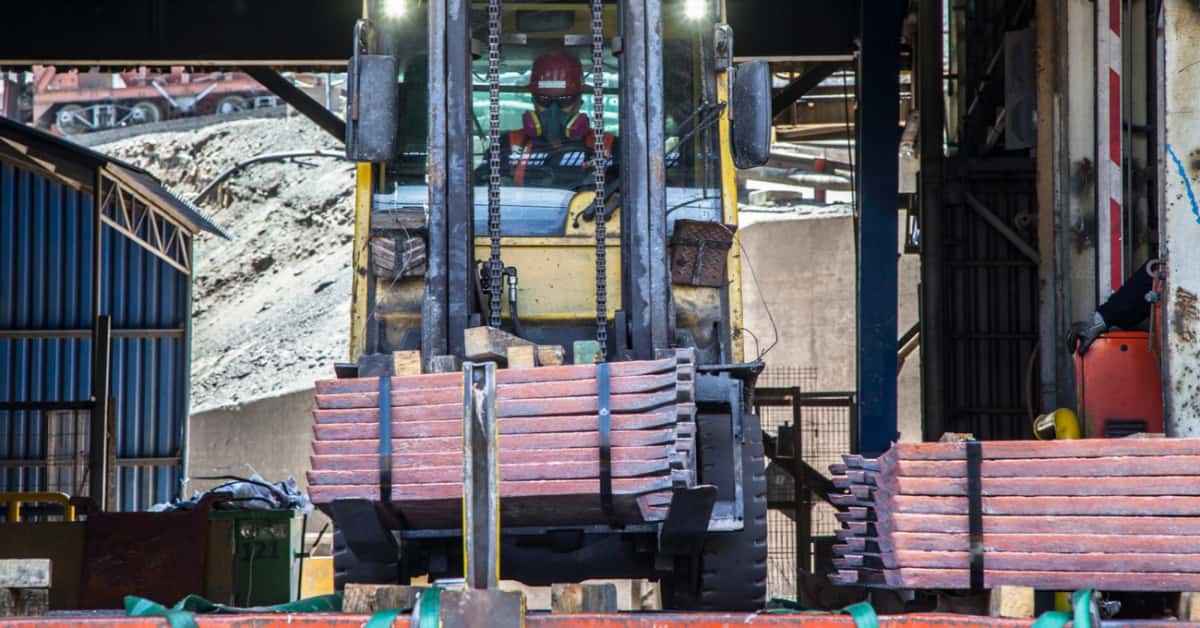
Why it matters: A reversal in copper flows could redirect physical supply as traders weigh China’s tight market against uncertainty over US tariffs.
US$500 per tonne — Yangshan’s import premium on November 19.
30,846 tonnes — Shanghai exchange copper stocks on November 20, or 2.8% of the three major exchanges’ combined inventories.
730,433 tonnes — COMEX stocks, equal to 66.8% of the combined total.
US$5.51 per pound — LME copper’s official close on November 23, about 16% below its October 30 close.
Metal traders have begun moving refined copper from US warehouses to China, reversing a flow that had supplied the US market for months as traders anticipated possible tariffs. The shift reflects reduced expectations that Washington will impose a levy on refined copper and a shortage of physical metal in China, according to Albert Mackenzie, an analyst at Benchmark, and other market participants.
The US decision remains unresolved. Meanwhile, copper prices have retreated: the London Metal Exchange’s official price closed at US$5.51 per pound, or US$12,165 per tonne, on November 23, according to Chile’s Copper Commission (Cochilco). That was about 16% below the US$6.55 per pound close on October 30.
China’s premium draws metal from US warehouses
Mackenzie said tight supply and high premiums had opened an arbitrage opportunity in China, prompting several traders to move, or prepare to move, material from the US. The Yangshan premium, paid to import copper into China, reached US$500 per tonne on November 19 and stood at US$495 the following day, Cochilco reported.
Shanghai exchange inventories rose 11.6% week on week to 30,846 tonnes by November 20. That was still only 2.8% of the 1,093,304 tonnes held across the three major exchanges. Cochilco said the replenishment had not removed the tightness in China’s local market.
COMEX held 730,433 tonnes, down 0.2% on the week and equivalent to 66.8% of the combined exchange stocks. However, the price spread can affect whether additional shipments make economic sense. On November 19, COMEX copper traded 2.64 US cents per pound below LME copper, a differential that Cochilco said did not then encourage new shipments to Asia. Freight and financing costs also shape the arbitrage.
Tariff decision remains outstanding as prices weaken
Refined copper cathodes are not currently covered by US national-security tariffs on the metal. The 50% duties apply to semi-finished copper products and certain derivatives and manufactured goods.
The original US proclamation asked Commerce Secretary Howard Lutnick to provide an update by June 30, 2026, so President Donald Trump could decide whether to impose a phased tariff: 15% from January 1, 2027, rising to 30% from 2028. A White House official said in September that Commerce had submitted its report, but no final decision had been announced. Mackenzie said more market participants, particularly in China, increasingly believed the tariff might not take effect.
Copper fell 10.13% in the week of November 16–20, closing Friday at US$5.55 per pound, Cochilco said. The commission cited concerns about further US Federal Reserve rate increases, a dollar near a 19-month high, uncertainty over data-centre copper demand and automated fund selling. Traders also linked the decline to tariff uncertainty. Copper’s 2026 average stood at US$6.14 per pound, up 38.92% from the same point in 2025.
More in Resources
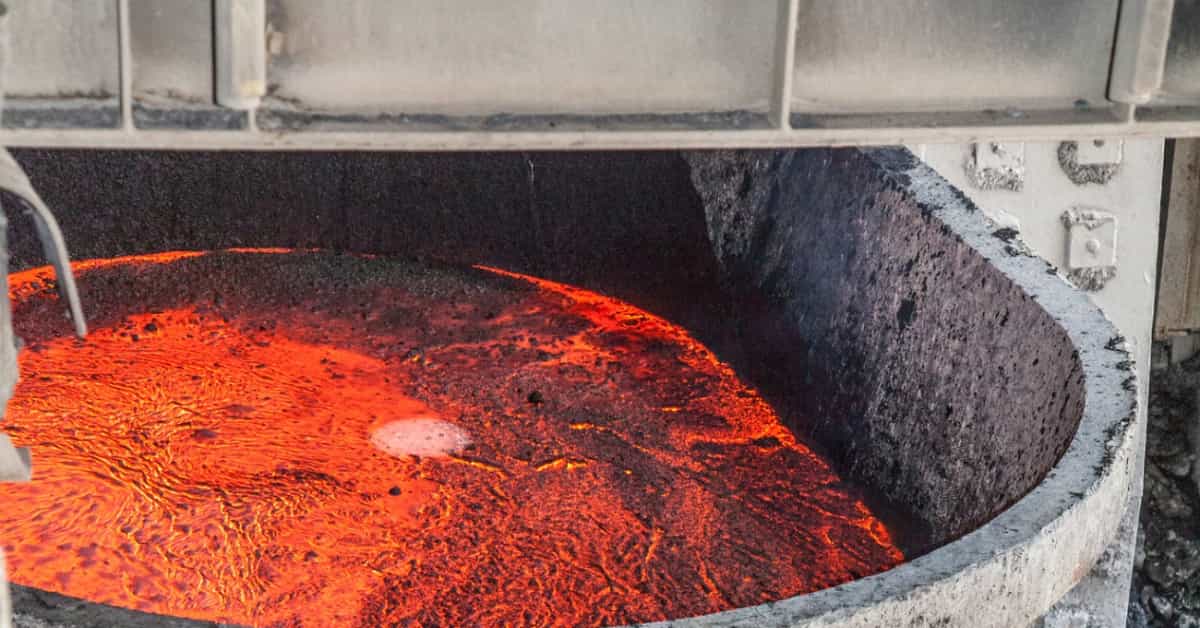
Copper's 10% weekly slide puts Chile's fiscal recovery under pressure
Mining receipts helped narrow the deficit, but fuel support and a shrinking economy leave the budget more exposed to a weaker metal.
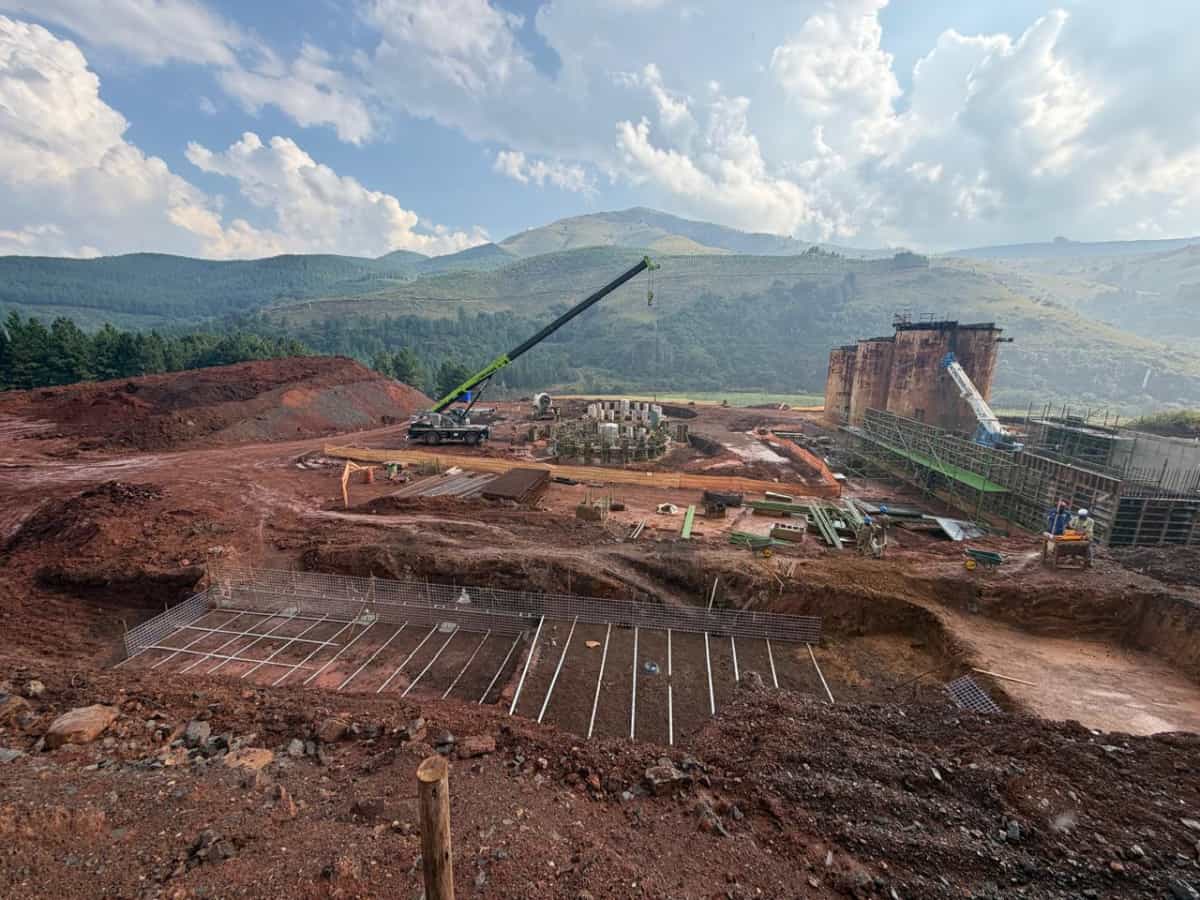
Theta Gold targets 2027 production at TGME, but underground ore must follow
TGME’s first feed is being assembled from existing material, but the mine plan depends on a later shift to Beta and Rietfontein.

JPMorgan sees El Niño keeping food prices under pressure into 2027
The climate pattern is forecast to ease after an intense start to 2027, while crop cycles and water systems may respond on a different timetable.