
Palladium rises to US$874 on Nymex as tariff dispute remains unresolved
U.S. buyers have resumed purchases of Russian metal, while Sibanye-Stillwater’s challenge keeps the tariff fight in play.
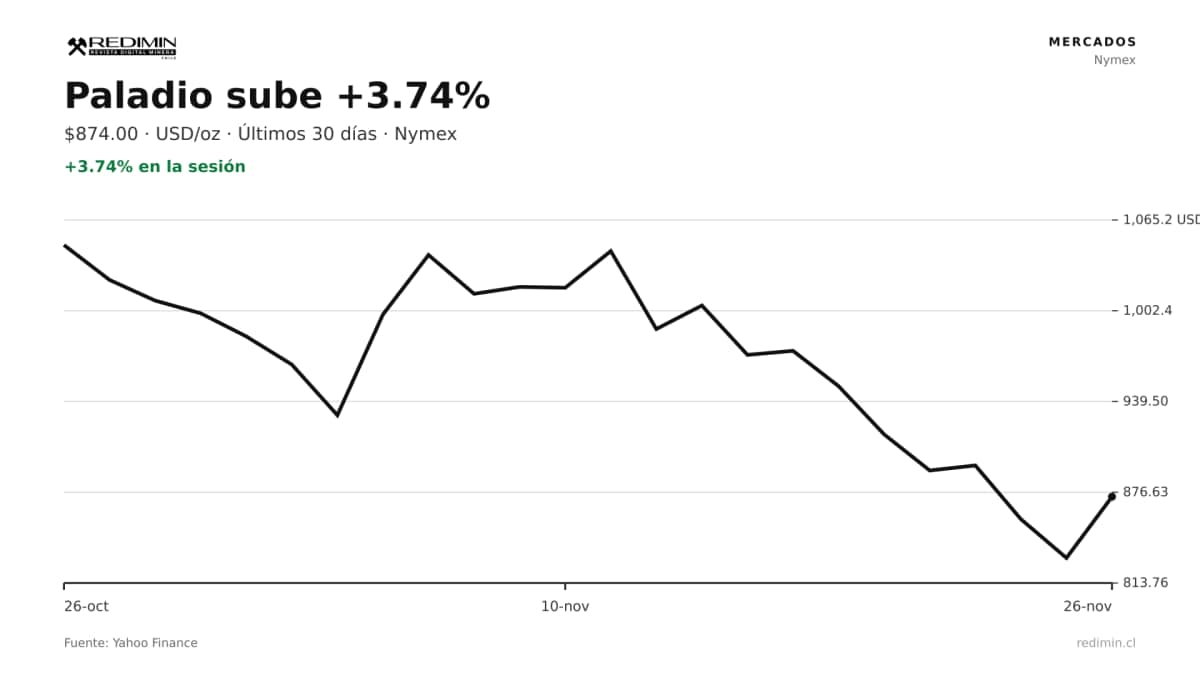
Why it matters: Palladium’s wide annual trading range and unresolved trade issues leave the session’s gain in a market with competing price pressures.
US$874.00/oz — last available Nymex price at 18:54 UTC on Nov. 26
3.74% — increase from the previous close of US$842.50
US$856.50–US$890.50/oz — session trading range
US$831.10–US$2,169.90/oz — reported 52-week range
Palladium rose US$31.50 per ounce to US$874.00 on Nymex at 18:54 UTC on Nov. 26. The price traded between US$856.50 and US$890.50 during the session, ending US$16.50 below the intraday high. Reported volume was 3,794; no unit was specified.
Price remains far below its 52-week high
The latest quote stood US$42.90 above the contract’s reported 52-week low and US$1,295.90 below its high. That spread shows the scale of the metal’s annual trading range, but does not establish where prices may go next.
The 3.74% daily change measures the move against the previous close. The available figures do not provide a breakdown linking reported volume to buying or selling, or identify a specific cause for the session’s advance.
Russian purchases resume as tariff challenge continues
The rise came against a backdrop of resumed U.S. purchases of Russian palladium and an unresolved tariff dispute. Sibanye-Stillwater has challenged the decision that blocked the tariffs. Those developments frame the market, but the available information does not establish that they drove the Nov. 26 price increase.
In separate November exploration news, Bravo Mining reported nickel and copper intercepts beneath a platinum-palladium deposit at its Luanga project in Brazil. The company reported grades of up to 1.59% nickel and 0.95% copper in a drill interval. Those exploration results do not, on their own, represent an increase in mineral resources.
More in Resources
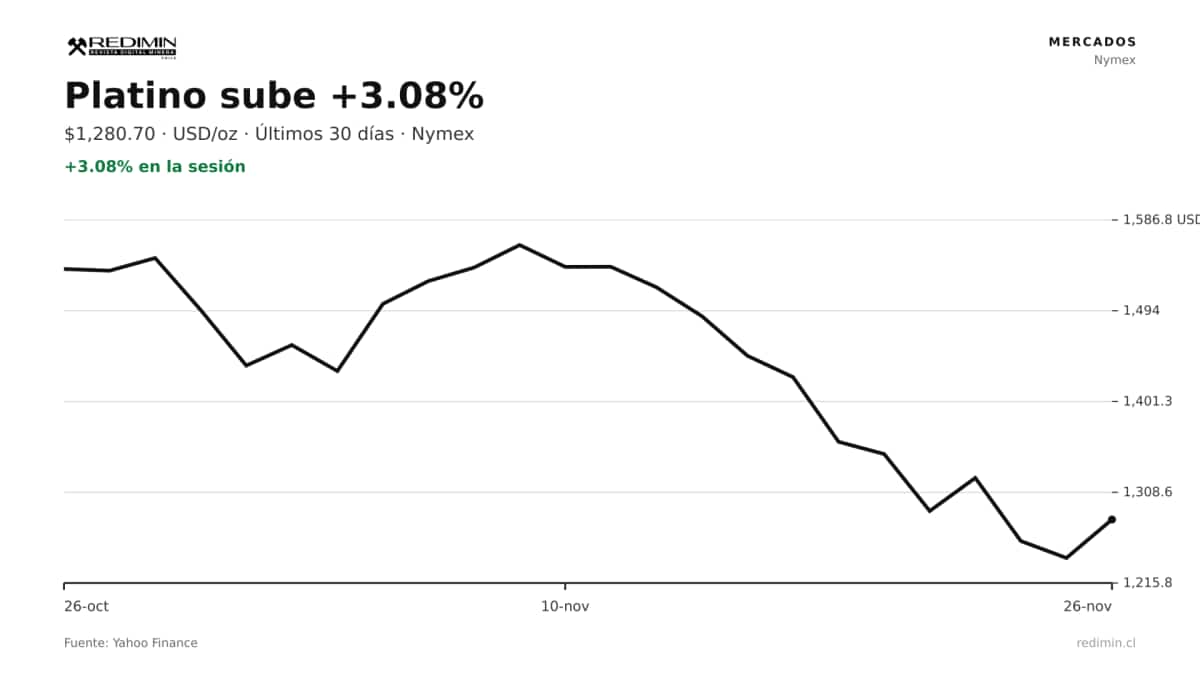
Platinum gains 3.08% on Nymex but remains close to its 52-week low
The annual trading band is wide enough to put one session’s move in a much larger price context.
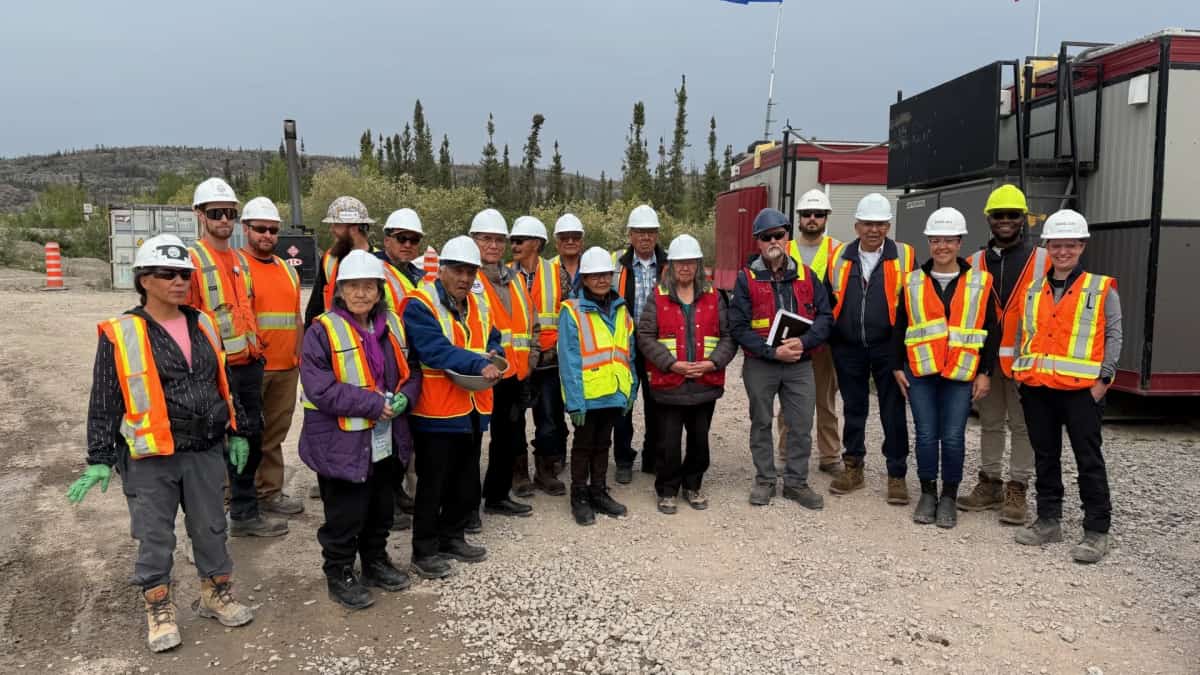
Sanexen, Avataa win Brownie Award for Nunavik soil plant as shipping limits treatment south
A brief annual marine-shipping season complicates the established route of sending contaminated soil to southern Quebec.
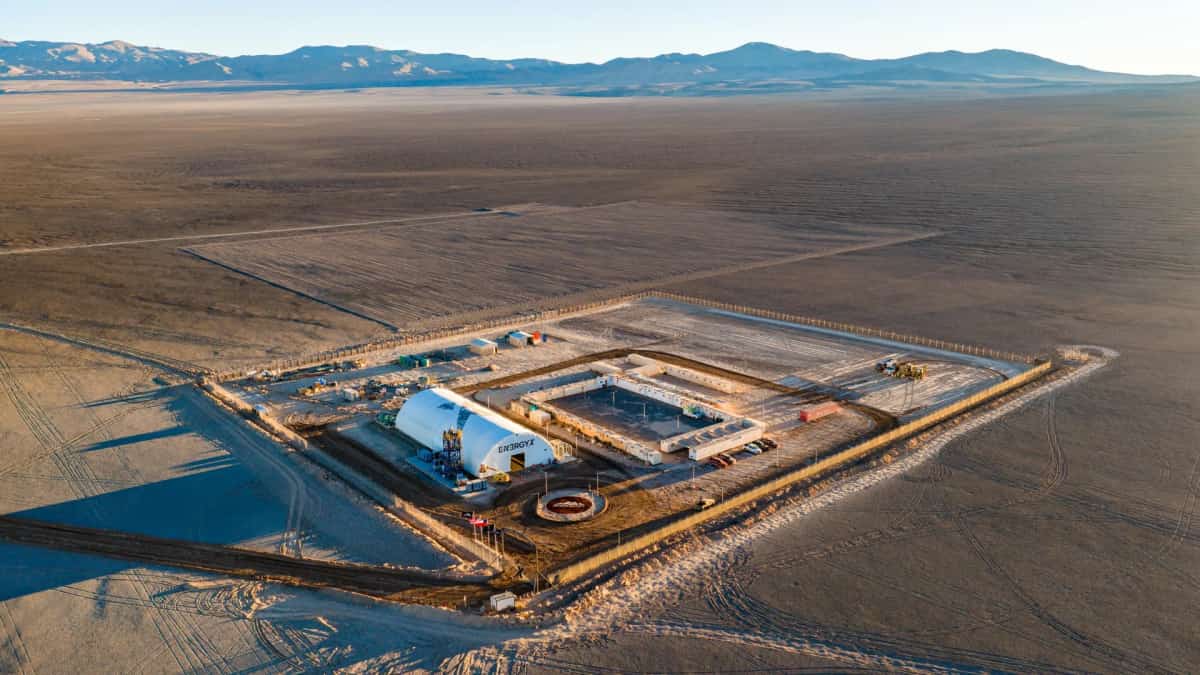
Chile litigation covers 43% of major-project investment, versus 24% of projects
Most original decisions are upheld, but appeals can pass through several bodies and take years to resolve.