
Ecuador’s seven-project mining push faces a workforce test beyond hiring quotas
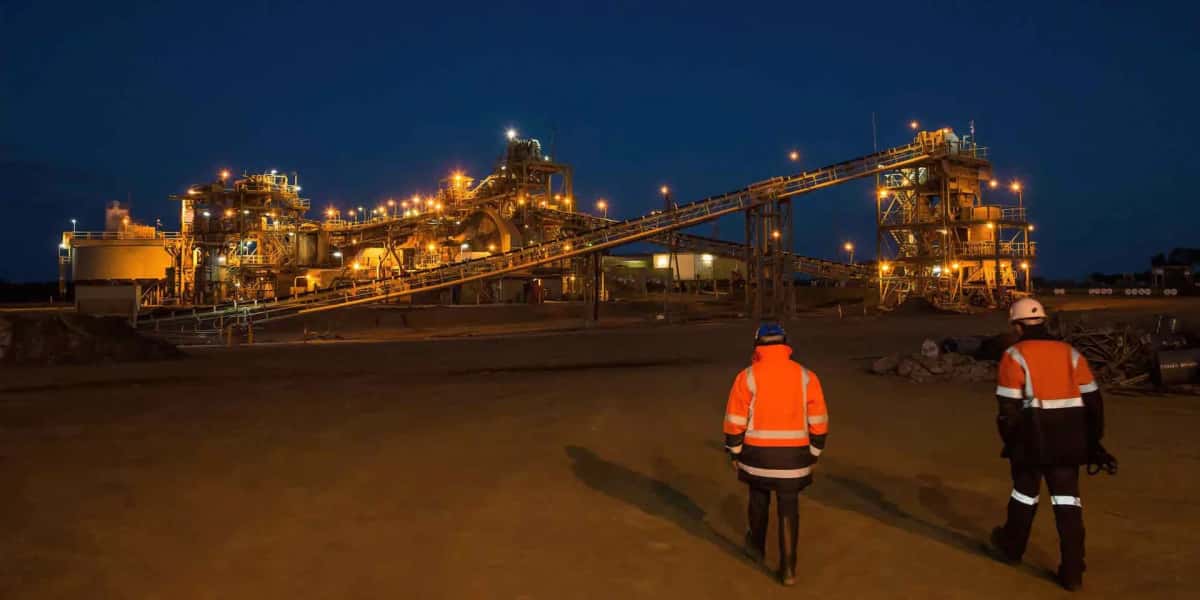
A national hiring rule sets the floor, but projects distant from mining centres need skills close to site.
globe24-7.com
Why it matters: The availability of skilled workers near project sites could shape how Ecuador’s mine developers staff construction and operations.
US$11 billion — projected investment across seven mining initiatives.
28% — projected increase in mining employment associated with the project pipeline, according to the World Bank.
49,064 — direct and indirect mining-related jobs recorded by Ecuador’s central bank in 2024.
79 — people reported trained in sector-related modules in Ecuador’s 2025 Minamata report.
Ecuador’s seven-project mining pipeline is projected to attract US$11 billion in investment and could increase mining employment by 28%, according to the World Bank. But the country’s requirement that at least 80% of mine personnel be Ecuadorian does not establish whether qualified workers will be available near each site. Available training figures cover specific modules, not a national count of mining graduates or job-ready specialists.
The projects are Curipamba, Loma Larga, La Plata, Mirador Norte, Cascabel, Cangrejos and Warintza. Ecuador currently has two large producing mines, Mirador and Fruta del Norte. The World Bank’s employment projection is tied to the project portfolio; it is not a record of jobs already created. Cangrejos, for example, has a US$1.7 billion mining contract signed in April 2026 by Ecuador and CMOC’s local subsidiary.
The 80% rule applies nationally, not only near mines
Ecuador’s Mining Law sets out two separate obligations. Article 75 requires at least 80% of a mine’s personnel to be Ecuadorian, while Article 77 says residents of areas near a project should be given preference. The law does not require every role to go to a local resident.
That distinction matters for projects distant from major cities and established mining districts. A company could meet the national employment threshold by recruiting specialists from elsewhere in Ecuador without demonstrating that an equivalent pool of qualified workers exists near the operation. The law’s general regulations also address training and technical assistance, including requirements for approval or accreditation; announcing a course alone does not establish that it meets those conditions.
Employment figures do not measure specialist availability
The Central Bank of Ecuador recorded 49,064 jobs linked to mining in 2024: 12,266 direct positions and 36,798 indirect jobs in supplier-chain activities. That provides a sector-wide employment baseline, but does not show how many workers hold the specific skills the new projects will need.
The 2025 Ecuador report under the Minamata Convention recorded 79 people trained in safety, environmental management, mineral recognition and regulation—69 women and 10 men. A further 24 people took part in refresher workshops. These are reported training activities in defined subjects, not a census of mining vocational graduates. The available data do not provide a consolidated national count of people completing mining-specific vocational training.
Construction and operations need different workforces
Published project estimates illustrate how staffing needs can change by stage. Loma Larga envisages about 1,500 construction jobs and 500 direct jobs during operations. La Plata estimates more than 600 direct construction positions and more than 300 in operations. These are project estimates, not current employment totals or evidence of local hiring.
The Inter-American Development Bank has identified transferable skills as a way to support workers when construction work ends. The OECD’s June 2025 Mining for Talent report also points to demand for specialised modules, practical learning and technical capabilities as mining becomes more technologically sophisticated. The Minamata figures, however, cannot establish how many qualified workers will be available for the seven projects; staffing demand will need to be assessed against each project’s schedule and requirements.
More in Resources
Nexa Resources jumps as gold rebounds, but stays below its 52-week high
With 63 moves of more than 5% in a year, one rally offers limited evidence of a lasting shift.

Gold Fields seeks Tarkwa renewal as Ghana weighs value-sharing before 2027 expiry
Five of the mine’s six permits expire together, while the government is also weighing Gold Fields’ role as a strategic state partner.
Alaska Silver's Illinois Creek restart hinges on a Yukon River access road
Illinois Creek's first producing phase ended in bankruptcy, and the state later handled remediation as a new access route enters review.