
Chile’s copper slide puts 2027 budget assumptions under pressure
The fiscal plan counted on stronger mining activity, but falling output leaves less room to absorb weaker prices.
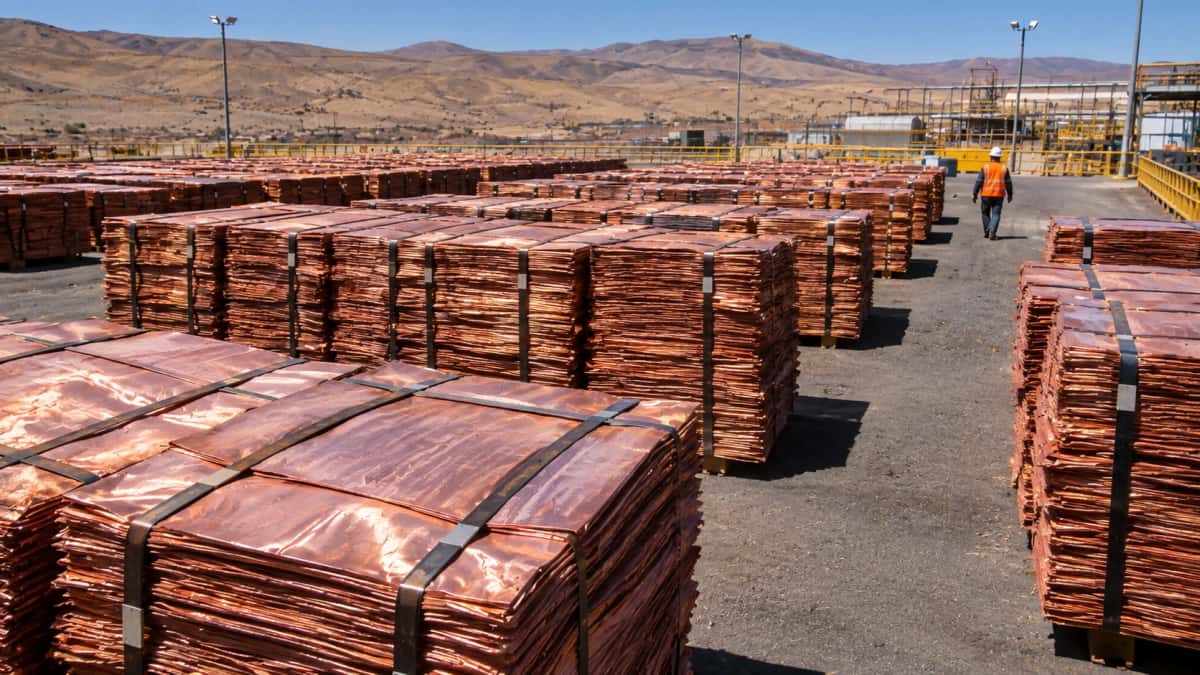
Why it matters: A prolonged copper downturn could squeeze state revenue from Codelco, private miners and royalties while Chile’s public debt nears its prudent threshold.
US$5.31 per pound — copper’s London close on November 25, below the budget assumption.
4.94 million tonnes — Cochilco’s projected Chilean copper production for 2026.
44.7% of GDP — central government gross debt at the end of the third quarter.
US$60 million — estimated annual state revenue sensitivity for each one-cent fall in copper’s average price, according to an academic cited in the report.
Copper closed at US$5.31 per pound on the London Metal Exchange on November 25, after falling 2.76% for the day and extending its losing streak to 12 sessions. The price is below the US$5.65 per pound average used by Chile’s Finance Ministry to prepare the 2027 budget, as well as the US$5.37 structural benchmark set for that budget.
The decline comes as Chile’s copper production is forecast to contract and gross central government debt has reached 44.7% of GDP. If weaker prices persist, the combination could reduce revenue from state-owned Codelco, private mining taxes and the mining royalty, complicating efforts to meet fiscal targets. A short-term price drop alone, however, does not automatically mean those targets will be missed.
Copper’s fall tests the budget’s price assumptions
Copper has lost about US$1.06 per pound since November 9, when it traded at US$6.36, a reported decline of 16.59%. The metal is also more than 20% below its 2026 nominal high of US$6.74 per pound, reached in London on August 17. November was on track to post its steepest monthly fall since September 2011, though the final result depended on the month’s remaining sessions.
The market retreat has coincided with a stronger US dollar, expectations of tighter US monetary policy and uncertainty over proposed tariffs. Revised expectations for investment in artificial intelligence and data centres have also weighed on demand projections for copper, after those sectors had supported the outlook.
Chile’s 2027 fiscal projections were set before November’s sharp correction. The third-quarter Public Finance Report forecasts GDP growth of 3.3%, effective revenue of 84.42 trillion pesos and public spending of 91.18 trillion pesos. It projects both the effective and structural deficits at 1.8% of GDP, with gross debt at 42.5% of GDP at year-end 2027.
Structural price rule separates market swings from spending
The structural copper price is not the same as the current market price. For the 2027 budget, an expert committee set the long-term reference at US$5.37 per pound, based on estimates for 2027–2036. That compares with US$4.38 used for the 2026 budget; the two figures are expressed in the currency of their respective years.
Chile’s structural balance rule is designed to limit permanent spending commitments based on temporary windfalls from copper. A short-lived market decline therefore affects effective revenue without automatically changing the structural benchmark. If the downturn lasts, however, future long-term price estimates could be revised lower, narrowing the room available for public spending in subsequent budgets.
Rodrigo Tranamil, an academic at Universidad Autónoma, estimates that each one-cent decline in the annual average copper price could mean up to US$60 million less in state revenue. That is a sensitivity estimate, not an immediate loss for every daily price movement; the fiscal impact also depends on output, operating costs, the exchange rate and mining companies’ tax positions, and may be distributed across tax years.
Lower production adds to Chile’s revenue exposure
Cochilco expects Chile to produce about 4.94 million tonnes of fine copper in 2026, an 8.4% year-on-year decline. Higher prices earlier in the year partly offset lower sales volumes, but November’s drop weakens that cushion and increases the importance of a production recovery.
At the end of September, central government gross debt stood at US$164.902 billion, equal to 44.7% of GDP and close to the 45% prudent debt reference in Chile’s fiscal policy. The quarterly debt ratio is distinct from the year-end projection, which depends on estimates for growth, financing and the exchange rate.
Codelco and private producers face the operational task of maintaining investment, controlling costs and advancing projects amid declining ore grades and ageing deposits. The course of copper prices over the coming months, alongside the recovery in production, will shape whether the 2027 fiscal assumptions remain attainable.
More in Resources
Copper logs 12th straight loss as gold and silver slide from record highs
US inflation has revived bets on another Fed rate increase, while industrial-demand concerns add a separate pressure on copper and silver.
Pivotal Metals’ Horden Lake study faces a valuation gap as funding comes into focus
Once held by a private family, the Quebec deposit now needs market recognition before its open-pit plan can advance.

Chile’s peso falls as copper slides, pushing dollar above 1,040
A sell-off in AI-linked assets and firmer US inflation added to the pressure from London copper.