
Icahn Enterprises faces May bond test as CVR Energy value slides
The refiner was both a major listed asset and a potential source of cash as Icahn Enterprises confronted costly refinancing.
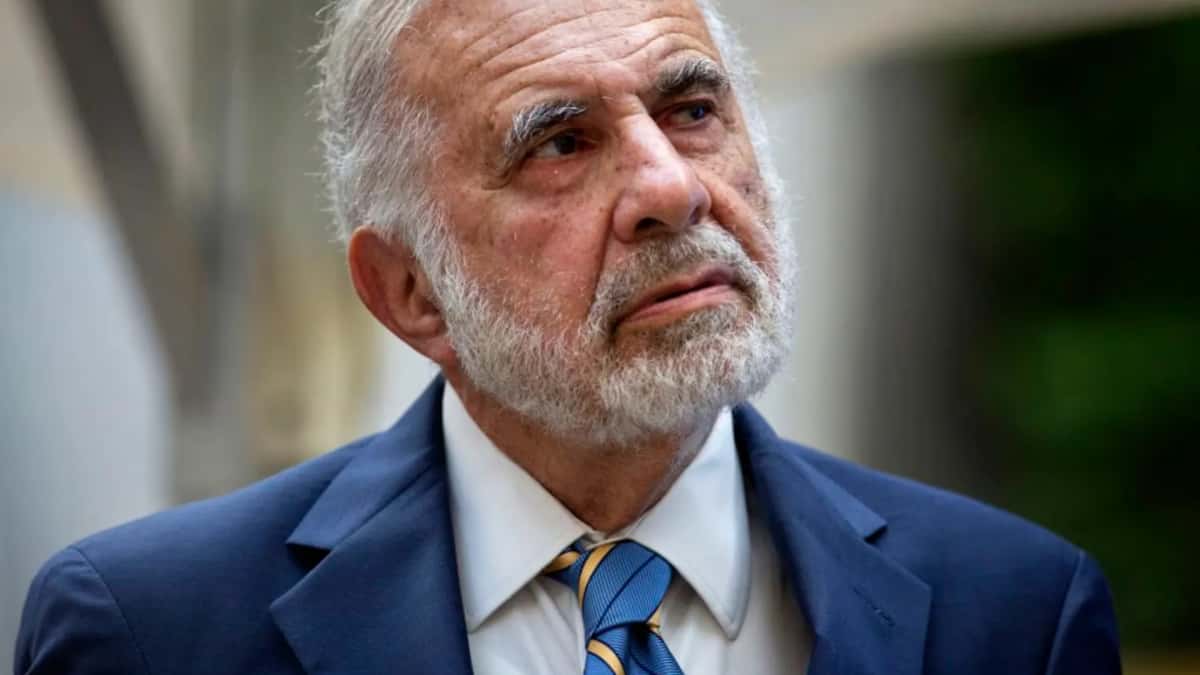
Why it matters: Icahn Enterprises’ ability to meet upcoming debt obligations depends partly on assets whose market value has fallen and may be difficult to sell quickly.
US$1.4 billion — bonds due in May, which the company says it cannot guarantee it will refinance on acceptable terms.
More than 14% — yield on the bonds, up from about 6% three months earlier.
About 40% — decline in CVR Energy shares after it agreed to buy two refineries.
US$920 million — cash Icahn Enterprises reported at the end of September.
Icahn Enterprises LP is facing a May bond maturity as the value of its large CVR Energy holding has retreated and borrowing costs have climbed. In its third-quarter report, the investment company said it could not assure investors it would refinance the US$1.4 billion due in May, or do so on acceptable terms.
Yields on its bonds rose to more than 14%, from about 6% three months earlier. Some notes due in 2029 yield above 30%. Icahn Enterprises has about US$4.4 billion of bonds outstanding.
CVR’s decline weakens a potential source of liquidity
CVR Energy accounted for close to half of Icahn Enterprises’ publicly traded investment portfolio at the end of September. Its shares had more than doubled in value through that month, but then fell about 40% after the refiner agreed to acquire two additional refineries.
Icahn Enterprises committed up to US$500 million to support the transaction, although the financing was not ultimately required. The subsequent share-price decline reduced the value of a holding that the company could potentially sell to raise cash.
The company also uses short positions in the energy sector to hedge some of its CVR exposure. Those positions lost US$523 million in the first half of 2026, while broader market hedges lost another US$292 million. The losses were partly offset by US$591 million in gains on long positions, including CVR, according to an August S&P Global credit analysis.
Investment funds backed by Icahn Enterprises, Carl Icahn and his family also performed poorly. They fell 31% in the third quarter, with long positions losing US$170 million and short positions losing US$610 million. Their return through September 30, 2026, was negative 43.8%. Since the end of 2018, the funds recorded a positive annual return only once: 0.4% in 2025.
Cash, fund interests and asset sales underpin liquidity
Icahn Enterprises reported about US$920 million in cash and a US$1.4 billion interest in its investment funds at the end of September. The company can redeem its fund interest with notice, but cautioned that rapidly liquidating positions could force it to accept losses. It has also sold assets, including Pep Boys, for about US$700 million.
The decline in the funds did not translate directly into a lower reported net asset value. Icahn Enterprises’ net asset value rose 33% in the third quarter, mainly because of the higher value assigned to its CVR holding, and was up about 9.5% in the first nine months of the year.
Other holdings include real estate and businesses in automotive services, home textiles, pharmaceuticals and processed-meat casings. Together, they generated US$16 million in adjusted EBITDA attributable to Icahn Enterprises in the 12 months to September 30, compared with company-calculated net asset value of US$1.88 billion.
Icahn’s units also secure personal loans
Icahn’s stake in Icahn Enterprises, valued at about US$2 billion after the units fell more than 40% during the month, is his largest asset. All of his units are pledged against personal loans of about US$1.3 billion. His estimated fortune fell to US$1.2 billion on Friday before rising by about US$100 million after the units gained 6% on Monday.
The loan arrangements drew regulatory scrutiny in 2023. Icahn and Icahn Enterprises paid a combined US$2 million to settle US Securities and Exchange Commission charges over inadequate disclosure of the loans, without admitting or denying the findings. Icahn has since restructured the credit facilities, changing payment schedules and balances; margin calculations now depend on Icahn Enterprises’ net asset value rather than its unit price.
The company’s quarterly distribution of US$0.50 per unit could imply payments of nearly US$380 million per quarter, although the actual cash outlay is generally lower because Icahn takes about US$25 million in cash and the balance in new units. Moody’s warned in May that his unpredictable choice of payment method could increase the company’s liquidity needs. Icahn Enterprises has not guaranteed that it can refinance the bonds on acceptable terms.
More in Mining Stocks

Liberty Star retains four Arizona prospects, but reports no mineral resources
The renewals keep a broad exploration position in good standing, but bring no new technical evidence on the prospects.
Silverback targets 90% of Uganda tungsten project, but Ruhizha remains undrilled
Five historic mines sit within the licence, while Silverback has until June 2027 to decide whether to proceed.
Blastcon’s Ravenswood expansion hinges on a five-year drilling deal
The arrangement brings Roc-Drill equipment and crews into a service model built around one Queensland gold operation.