
BlackRock challenges gold buybacks as AngloGold backs a selective approach
Repurchases climbed sharply in 2025, but investors disagree over whether miners should buy at peak prices or wait for cheaper shares.
Why it matters: How miners time share repurchases can determine whether cash returns build per-share value or buy stock at a cyclical high.
US$5.8 billion — gold-led mining share buybacks in 2025, up 252% from the prior year
US$2 billion — maximum value of AngloGold Ashanti’s approved repurchase programme
US$854 million — Gold Fields’ repurchases under a US$1.25 billion capital-return plan
12% — Ghana’s top variable royalty rate, applicable at a gold price of US$4,500 per ounce
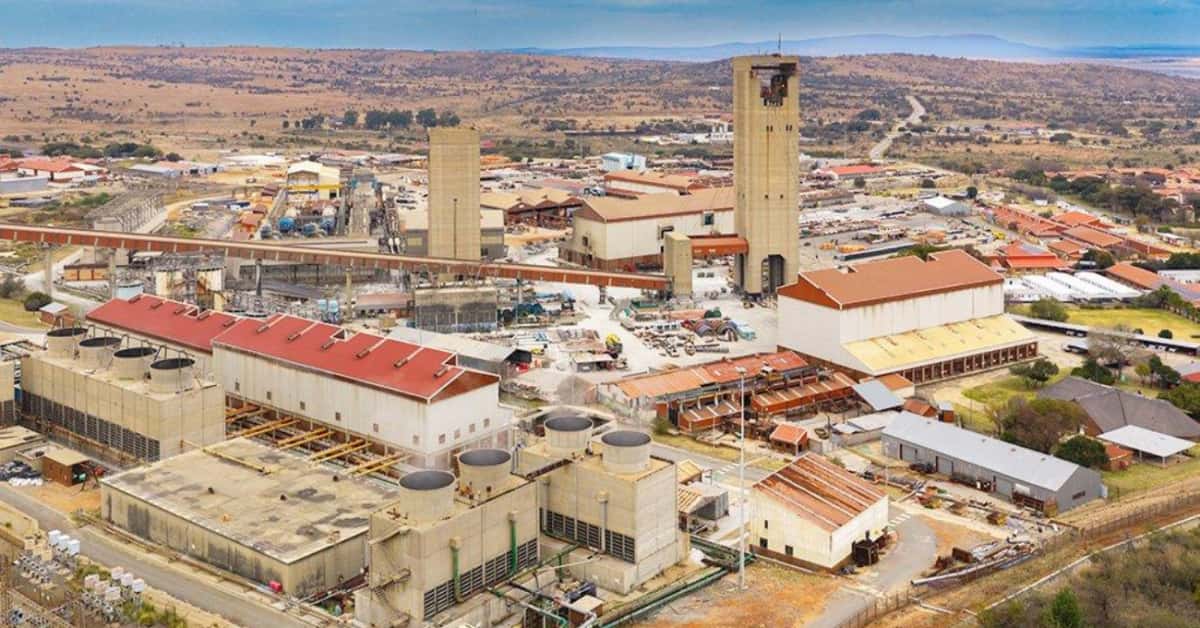
AngloGold Ashanti chief executive Alberto Calderon defended a selective approach to share buybacks after BlackRock questioned miners’ tendency to launch large programmes when their shares are near highs and pull back when gold prices fall. Calderon said dividends remain the company’s main way of returning capital, while repurchases should be made only when they create value.
Evy Hambro, BlackRock’s global head of thematic and sector investing, raised the timing concern at an October metals and mining summit. He described a scenario in which gold fell to US$4,000 an ounce and mining shares became 40% cheaper than at their highs, while companies stopped buying. The issue comes as gold producers have sharply increased repurchases.
Gold-miner buybacks reached US$5.8 billion
PwC’s SA Mine 2026 report, published in June, said share repurchases rose 252% in 2025 to US$5.8 billion, driven by gold companies. The report also noted that some producers may be substituting buybacks for dividends. That could reflect a more flexible, tax-efficient return policy, or uncertainty about future commodity prices.
AngloGold shareholders approved a buyback programme of up to US$2 billion in July, following similar announcements by Newmont and Barrick Mining. Barrick approved a programme of up to US$3 billion in May 2026, to be carried out over 12 months. Gold Fields said it had repurchased US$854 million in shares since announcing a US$1.25 billion capital-return plan in November, combining special dividends with selective buybacks.
Calderon said AngloGold typically distributes 50% of its cash flow through dividends, a share that normally rises to between 60% and 65%. He described buybacks as a more opportunistic tool with a stronger downside bias: the company must assess whether its share price makes the repurchase value-accretive. He added that AngloGold had discussed the issue with BlackRock and did not consider a considered process inconsistent with Hambro’s criticism.
Share-price performance points to different cases
The case for repurchases varies by company. Over the 12 months covered, AngloGold shares rose 17% while gold fell 2%; the stock was almost flat over the preceding 30 days. Nedbank Securities analyst Arnold van Graan cautioned that buying shares when gold is at a high can destroy value, given miners’ close link to the metal price.
Gold Fields shares, by contrast, fell about 13% over the year. Its third-quarter operating performance was overshadowed by uncertainty over a possible improved offer for Australia’s Northern Star Resources and the renewal of its Tarkwa mining concessions in Ghana. Those concessions expire in less than six months, and Tarkwa contributed 17% of Gold Fields’ total gold production in the third quarter.
AngloGold also operates in Ghana, but its concession deadlines are further out. Third-quarter production fell 9%, while EBITDA increased to US$1.57 billion. Its Obuasi concession runs to 2050 and Iduapriem’s to 2035, compared with Gold Fields’ pending Tarkwa renewal.
Ghana’s royalty change adds to operating risk
Calderon said AngloGold was dissatisfied with Ghana’s higher mining royalties. The rate moved from a fixed 5% to a variable scale reaching 12% when gold is priced at US$4,500 an ounce. He said the company maintains communication with the government and that its actual relationship with authorities differs from some perceptions of how foreign miners are treated.
More in Mining Stocks
NVIDIA Restores Jensen Huang as CEO While Security Probe Remains Open
The board had ruled out a return six days earlier, as the company expanded oversight of export controls and national-security risks.
IRH’s proposed Kenmare takeover hinges on approvals for Mozambique’s Moma mine
Kenmare faces near-term funding pressure while the proposed change of control still requires approvals in the country that hosts Moma.
Silver Crown closes first El Bagre royalty tranche, but US$7M still hinges on security
Soma's secured lender has agreed to release its claims, but replacement first-ranking security over the mine assets is not yet registered.