
Argentina approves RIGI incentives for YPF’s US$50.75bn LNG plan, but FID remains
The plan would link Vaca Muerta gas to offshore liquefaction units, while the partners still face a final capital commitment.
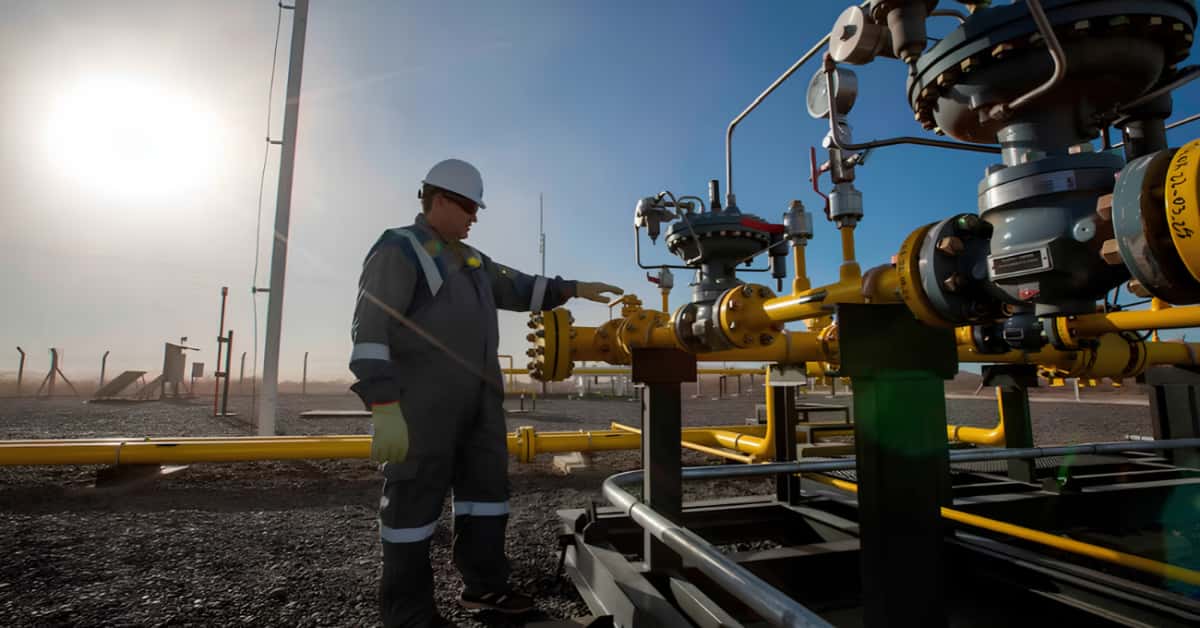
Why it matters: RIGI approval gives the partners a more stable framework for financing a project intended to turn Vaca Muerta gas into a major export stream.
US$50.75 billion — projected cumulative investment through 2050, according to Economy Minister Luis Caputo.
US$25 billion — planned investment between 2027 and 2030.
12 million tonnes a year — proposed combined capacity of the project’s two floating LNG units.
524 kilometres each — planned lengths of the gas and liquids pipelines to Río Negro’s Atlantic coast.
Argentina’s evaluation committee approved Argentina LNG for the country’s Large Investment Incentive Regime (RIGI) on November 20, clearing an incentives hurdle for the project led by YPF, Italy’s Eni and the United Arab Emirates’ XRG. The partners have not yet made a final investment decision (FID), which YPF chief executive Horacio Marín said was expected to be signed on November 30, 2026.
The project’s projected investment totals US$50.75 billion through 2050, Caputo said, including US$25 billion planned for 2027–2030. RIGI offers tax, customs and foreign-exchange incentives, alongside 30 years of regulatory stability for projects that meet its requirements.
Vaca Muerta gas would feed offshore liquefaction
Argentina LNG is designed as an integrated chain, starting with natural gas production in the Vaca Muerta formation in Neuquén province. Gas and associated liquids would then be transported to the Atlantic coast of Río Negro through separate pipelines, each planned to run 524 kilometres.
At the coast, two floating liquefaction units would operate offshore in the Gulf of San Matías. Their combined capacity is projected at 12 million tonnes of LNG a year. Caputo said the facilities would require gas production of about 65 million cubic metres per day to operate at full capacity.
The minister estimated that LNG and associated liquids exports could generate more than US$9 billion in annual revenue once production reaches the planned level. That figure is a projection, dependent on the project being built and achieving its expected output.
Incentives approved, financing still conditional
YPF submitted the RIGI application in August 2026. The company said the regime would be important to securing international financing for the long-term development. The framework was established under Law 27,742.
In September, YPF also disclosed a proposal for up to US$6 billion in long-term financing from the Export-Import Bank of the United States. The funding has not been approved: it remains subject to a final decision by the bank’s board and would support purchases of US goods and services for the project’s infrastructure and production.
The RIGI decision therefore advances the project’s regulatory and investment framework but does not itself commit the partners to construction. The next stated milestone is the planned FID on November 30.
Jobs depend on construction and operating plans
YPF estimates that construction could support about 20,000 jobs a year, with peaks of up to 40,000 workers during the busiest periods. For operations, the company projects approximately 8,000 direct and indirect jobs.
Those employment estimates, like the export and investment figures, remain tied to the project proceeding. The immediate condition is the partners’ final investment decision; the financing proposal also awaits approval by the US Export-Import Bank’s board.
More in Mining Stocks
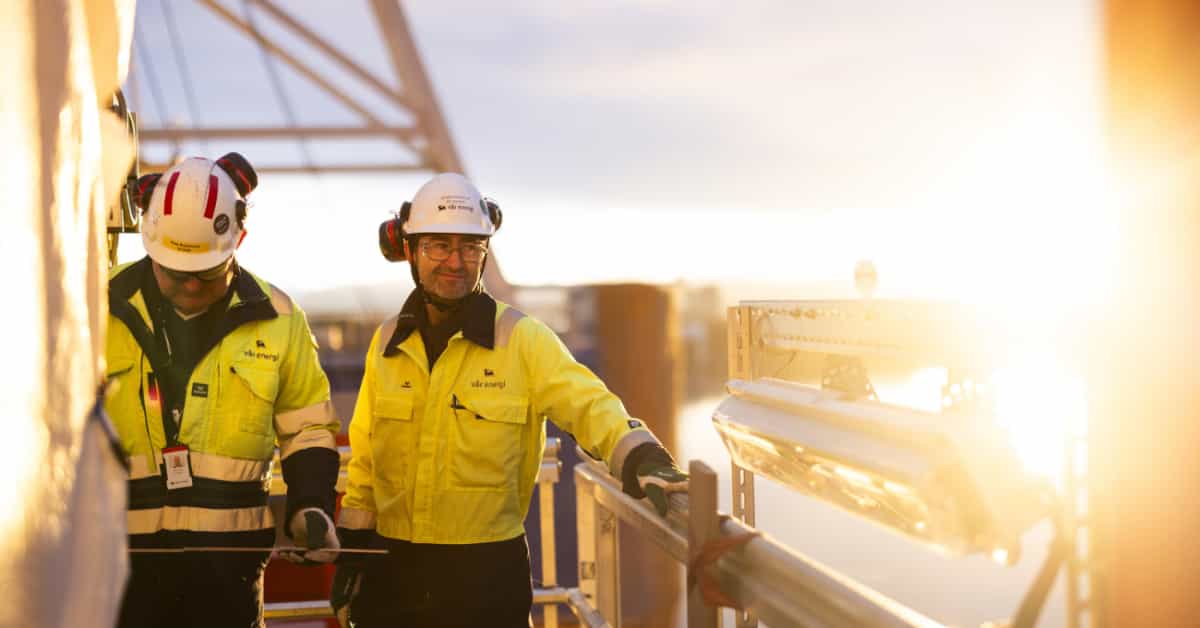
Vår Energi’s Ekofisk deal expands North Sea reach, pending 2027 clearance
The package links Norwegian production with a UK export terminal, but the transfer still needs government and regulatory approval.
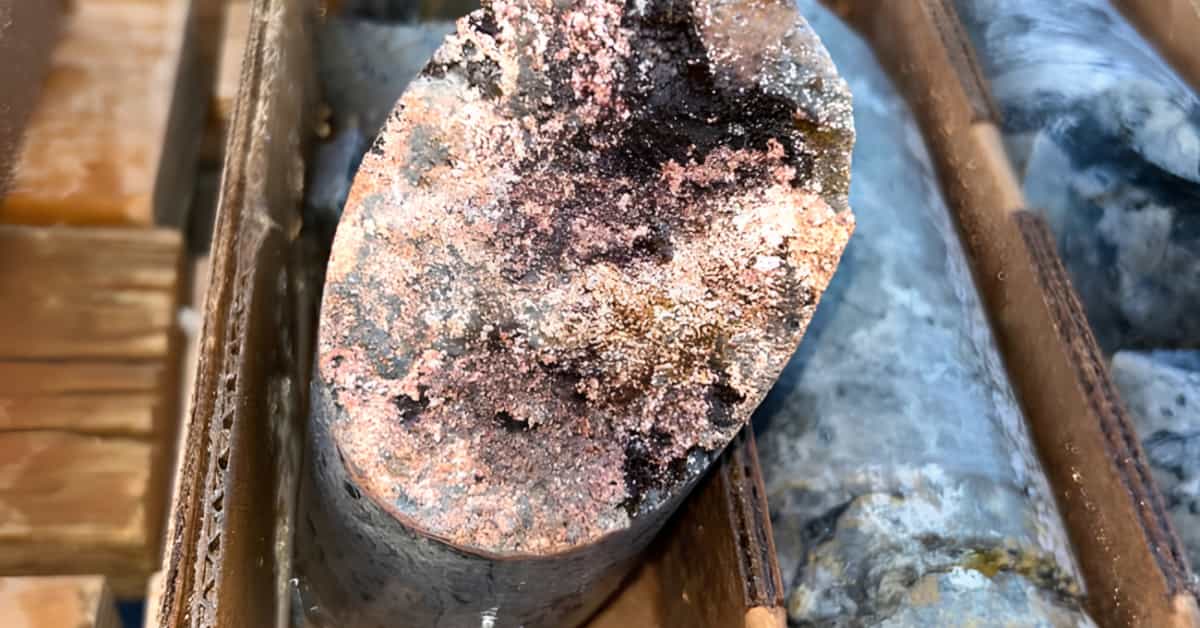
Copper One targets full ownership of Quatum, but the option runs five years
The British Columbia property is close to Copper One’s Redonda project, but its exploration case rests on records dating to 1970.
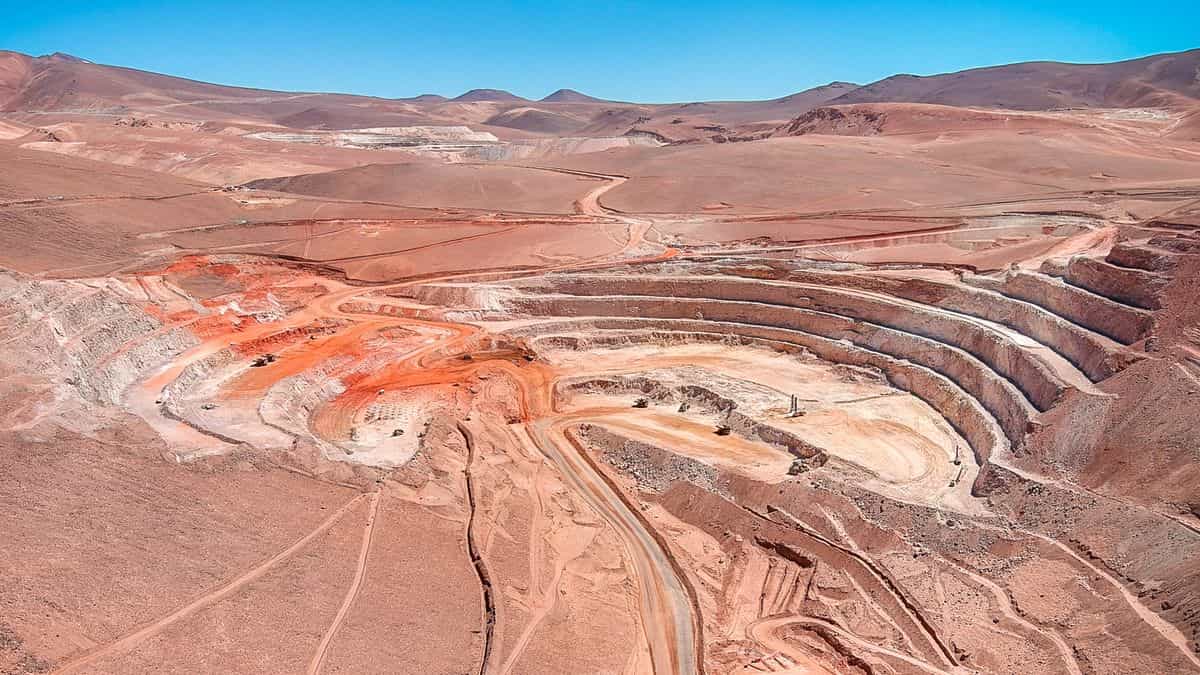
Kinross faces US investor lawsuit as Round Mountain weighs on guidance
A 2-million-ounce 2026 target sits at the centre of claims about what investors were told about the Nevada operation.