
Guinea jails 22 Siguiri officials over gold damage but clears corruption
Prosecutors sought a decade for each administrator, but the defence said the alleged mining predated their appointments.

Guinea jails 22 Siguiri officials over gold damage but clears corruption
Why it matters: The ruling establishes that local officials can face criminal penalties for environmental damage linked to illegal mining even when corruption charges fail.
22 administrators — sentenced to two years each
202 miners — sentenced to three years each
10 million Guinean francs — fine for each administrator
10 billion Guinean francs — joint fine imposed on the miners
Guinea’s Court for the Repression of Economic and Financial Offences (CRIEF) sentenced 22 former territorial administrators to two years in prison each for complicity in environmental degradation tied to illegal gold mining in Siguiri. The court acquitted them of corruption, illicit enrichment and money laundering. The verdict was delivered in Conakry on 16 November 2026.
The administrators, who had served as prefects, sub-prefects and acting officials in the north-eastern gold district, were convicted of complicity in environmental degradation, destruction and water pollution. The 202 miners tried alongside them each received three years in prison. Judge Alpha Camara also fined each administrator 10 million Guinean francs and ordered those convicted to pay the proceedings’ costs. The miners received a joint fine of 10 billion Guinean francs.
The court separated environmental liability from corruption
The prosecution had argued that the administrators facilitated clandestine mining and sought ten-year prison terms for each. Special prosecutor Alphonse Charles Wright said the officials’ criminal responsibility had been established on a subsidiary basis. He said he was satisfied with the verdict, arguing that establishing the facts mattered more than the length of the sentences.
The decision drew a distinction between alleged involvement in the environmental damage and evidence of personal financial gain. While the court found the administrators complicit in environmental offences, it did not convict them of profiting from the trade through corruption or money laundering.
The miners’ joint fine was reported as equivalent to about one million euros. Foreign nationals among those convicted were also barred from remaining in Guinea for ten years. Those tried included Guinean, Burkinabe, Malian, Mauritanian and Togolese nationals.
Defence challenged when the officials took office
The defence sought dismissal of the charges, arguing that the alleged acts predated the administrators’ appointments. Lawyer Abdourahmane Dabo said the ruling was a first-instance decision and that the defence would consult its clients before deciding whether to appeal. Another lawyer told the court that the officials had been posted only four months earlier.
The proceedings also examined evidence of the damage. A video was shown in court, while defence lawyer Mory Doumbouya challenged the case against his clients without disputing what he described as an ecological catastrophe. The defence also raised concerns about the evidence and how it had been presented.
Dismissals and mining restrictions preceded the trial
The criminal case followed the dismissal of 22 territorial administrators in the Siguiri region. A decree read on national television on 3 November 2026 ordered their removal over alleged promotion of clandestine mining and environmental damage. The dismissals preceded the court’s verdict and were an administrative measure, separate from the criminal findings.
A wider ban on artisanal gold mining has emptied sites in Siguiri, Mandiana, Kerouane and Kouroussa. Operators have been leaving, while residents fear the economic consequences for communities reliant on the pits. Amadou Secteur Barry, president of the Union of Patriots for the Development of Guinea, estimated that restoring damaged sites would take at least a century; that figure was his estimate, not an engineering assessment.
Both the defence and prosecution are considering whether to challenge the ruling. The sentences therefore remain subject to any appeal.
More in Frontier Mining
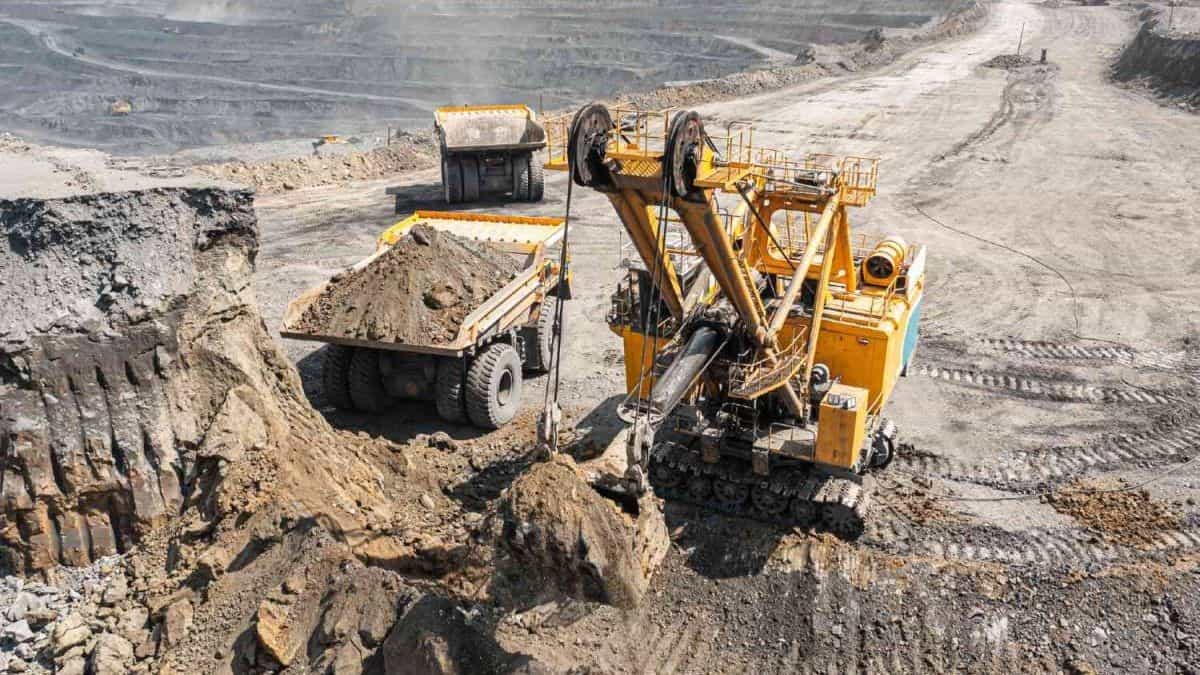
KP gold mining probe tests whether suspended contracts stopped extraction
The contract suspensions did not end the allegations—and names beyond the mining operators have surfaced.
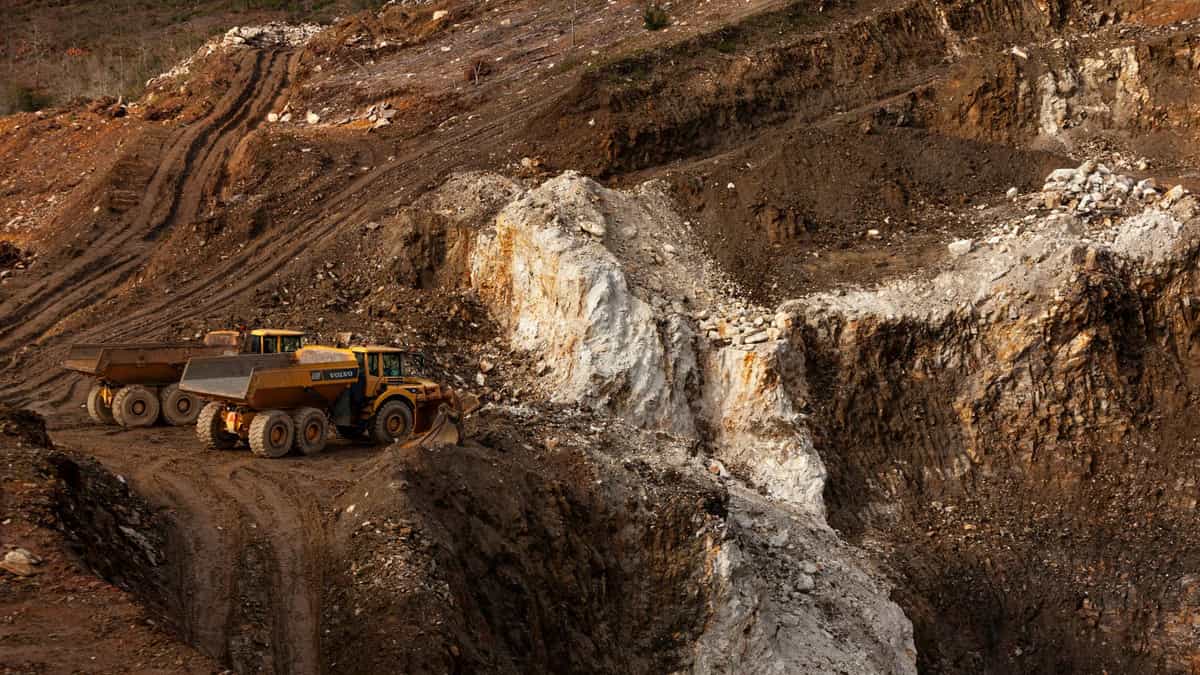
Siguiri gold mining: 22 former officials jailed for two years
The ruling reaches beyond expelled miners, putting the local officials meant to police the trade under scrutiny.