
FCC Clears SpaceX for 1 Million AI Satellites, With Debris Reviews Ahead
Solar-powered computing could move data centres off Earth, but SpaceX will still have to demonstrate its cooling and transmission model at scale.
Why it matters: SpaceX’s plan tests whether solar power and radiative heat rejection can support large-scale computing in orbit under regulatory debris controls.
Up to 1 million satellites — the maximum authorised for the Starmind constellation
75 metres across and 30 metres tall — the proposed dimensions of each satellite
Above 600 kilometres — deployments at these altitudes require an additional orbital-debris review
November 2040 — the deadline for the full constellation to be operational
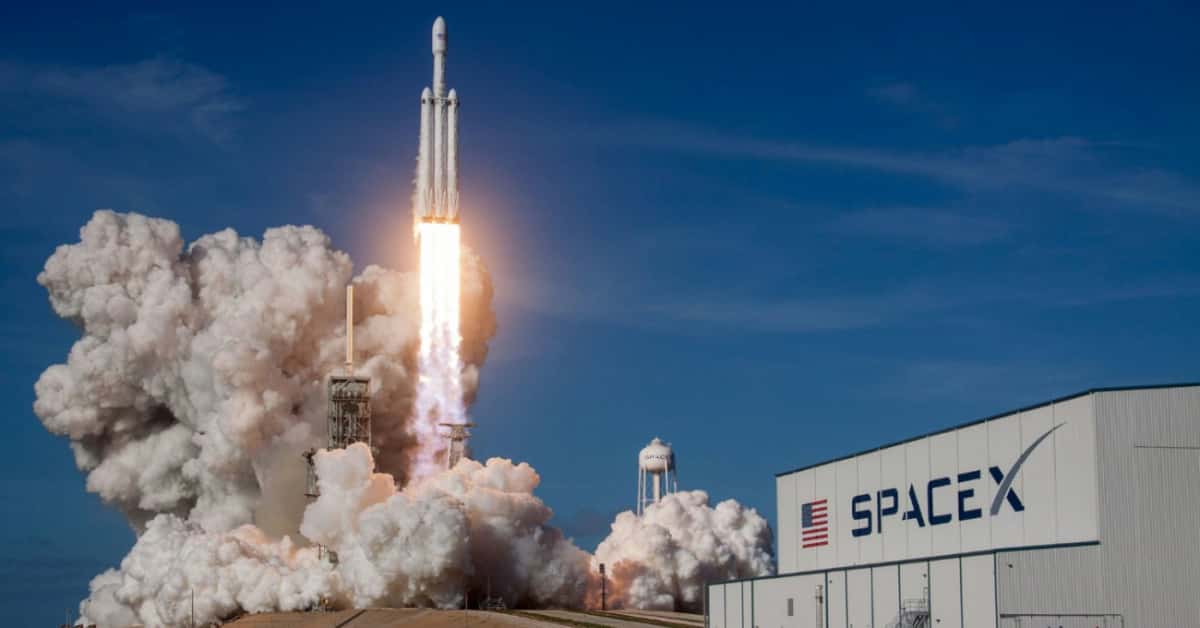
The US Federal Communications Commission authorised SpaceX on November 25 to deploy up to one million satellites for processing data in orbit. The proposed Starmind network would use solar power to run computing equipment and send processed information to Earth through high-capacity laser links connected to Starlink.
The FCC described the decision as the first US authorisation of its kind for an orbital data-centre constellation. SpaceX expects to begin deployment towards the end of 2027, while the authorisation requires the full network to be operational by November 2040.
Solar power and heat rejection underpin the design
SpaceX proposes using the availability of solar energy in orbit to power the computers. Instead of relying on terrestrial-style cooling systems, the satellites would dissipate heat through radiation. The company says this approach could reduce the energy required to cool computing equipment, but that benefit remains a projection to be demonstrated as the system is implemented.
The proposed satellites would measure 75 metres across and 30 metres in height. Laser links would carry data between the spacecraft and Starlink, which would relay information to the surface. The architecture is intended to process large volumes of information away from Earth, although the supplied plans do not specify the constellation’s computing capacity or the amount of data it would handle.
Deployment depends on manufacturing and launch capacity
SpaceX is building a manufacturing facility called Gigasat Factory in Bastrop, Texas, to produce the satellites. The company plans to use Starship, its designed-to-be-fully-reusable space transport system, to carry the units into orbit. The deployment schedule therefore depends on both satellite production and the availability of the planned launch system; the authorisation itself does not provide further milestones for either.
The FCC set conditions covering communications and space-debris management. Any satellites operating above 600 kilometres in altitude will require an additional assessment of debris-mitigation measures. That requirement makes orbital disposal a specific regulatory hurdle for parts of the proposed network, rather than a condition resolved by the initial authorisation.
The FCC said it is also evaluating other proposals for orbital data centres from technology and aerospace companies. SpaceX’s stated next step is to begin deploying Starmind units towards the end of 2027.
More in Frontier Mining

Epiroc digitises Pit Viper cameras, while SmartROC rollout follows a separate path
Remote operators need sharper views without added network load, but the upgrade leaves existing camera positions in place.

100 Minds takes AI safety assistant to Codelco’s Radomiro Tomic in limited rollout
Questions can surface during a night shift, far from a training room, when workers need to decide whether to proceed.

Chile's AIE turns 30 as businesses weigh the challenge of AI adoption
The programme puts practical AI use on the agenda, but names no company cases or measures for tracking adoption.