
Prospectiva’s São Francisco hit grades 11.75% copper, but continuity is unproven
The new interval lies near a previous high-grade result, but the company has yet to establish whether the two belong to one continuous body.
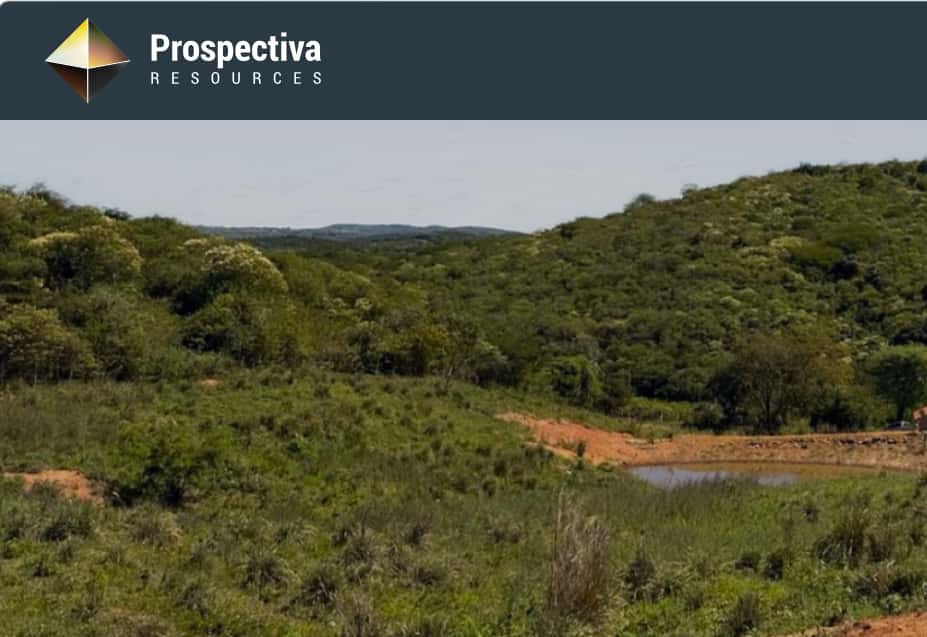
Why it matters: Whether São Francisco’s high-grade copper occurs in mineable, continuous volumes will determine how much weight to place on the latest intercept.
10.02 metres at 11.75% copper — reported in hole SF_26_006
60 metres northeast — approximate distance from an earlier high-grade interval
Nine holes completed — results available for the first six as of November 23
2027 — the company’s target for a first mineral resource estimate, subject to demonstrating continuity
Prospectiva Resources reported a 10.02-metre interval grading 11.75% copper at its São Francisco project in Pernambuco, northeastern Brazil. The result, from diamond hole SF_26_006, begins at 104.98 metres and also returned 0.87 grams per tonne gold and 1.09% zinc. The company has not established the true width of the mineralized structures.
New intercept extends the high-grade footprint
SF_26_006 was drilled about 60 metres northeast of hole SF_26_003, which returned 3.60 metres at 9.17% copper, including 0.75 metres at 15.90%. Prospectiva said the new hole is its strongest overall result at São Francisco to date. Other reported intervals include 7.15 metres at 4.78% copper in SF_26_003 and 2.50 metres at 3.24% in SF_26_002.
The proximity of the two high-grade results gives the company a basis for investigating how mineralization is distributed between and around the holes. It does not, by itself, demonstrate that the intervals connect or establish the thickness, geometry or volume of any potential mineralized body. Those questions will require further drilling and geological interpretation.
Sulphide system spans a broader exploration corridor
São Francisco is being explored as a possible volcanogenic massive sulphide system, a deposit type that can contain copper, zinc, gold and silver. Prospectiva is investigating a prospective corridor extending more than three kilometres between the SF1 and SF2 areas, along with other targets identified through geochemical and geophysical work.
Recent drilling has encountered chalcopyrite and pyrrhotite in massive and semi-massive forms. The company is also assessing how deformation and metamorphism may have redistributed sulphides and created higher-grade zones within the system. Surface electromagnetic surveys and downhole measurements are being used to identify conductive targets for follow-up drilling; geophysical anomalies will need to be tested and interpreted alongside geological and assay data.
Assays and drilling will shape the next resource step
As of November 23, nine diamond holes had been completed, with results available for the first six. Assays for SF_26_007, SF_26_008 and SF_26_009 were pending, and two additional holes were in progress. Prospectiva said two rigs were operating and that it had funding to complete the campaign during the fourth quarter of 2026.
The company is targeting a first mineral resource estimate in 2027, conditional on demonstrating sufficient geological continuity and grade distribution. It also holds 21 exploration licences covering about 343 square kilometres in Pernambuco and Paraíba.
The reported gold and zinc may contribute to a future assessment of the project, but no metal recoveries or economic value have been established. Metallurgical work would need to test how the metals respond to processing and whether saleable concentrates can be produced. For now, the next assay results and drilling will help determine whether the high-grade intercepts represent a continuous system or discrete mineralized zones.
More in Discoveries
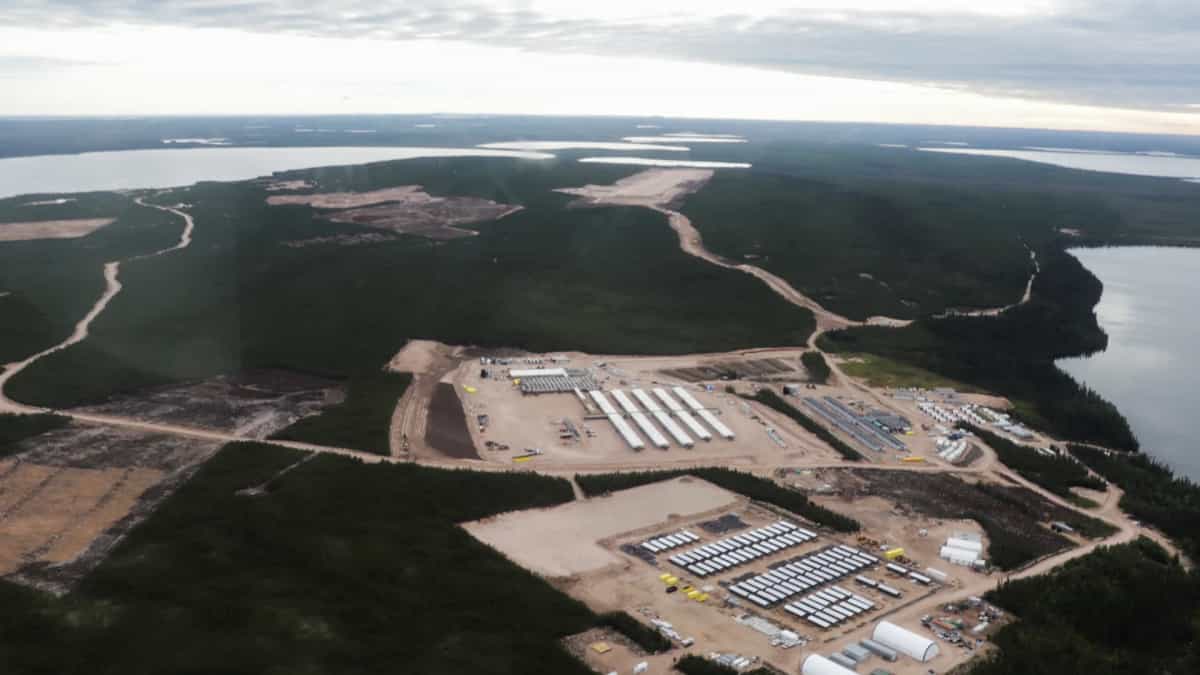
NexGen extends PCE uranium zone near Arrow, but assay grades remain unreported
The PCE discovery lies 3.5 kilometres from Arrow, the deposit at the centre of NexGen’s Rook I project.
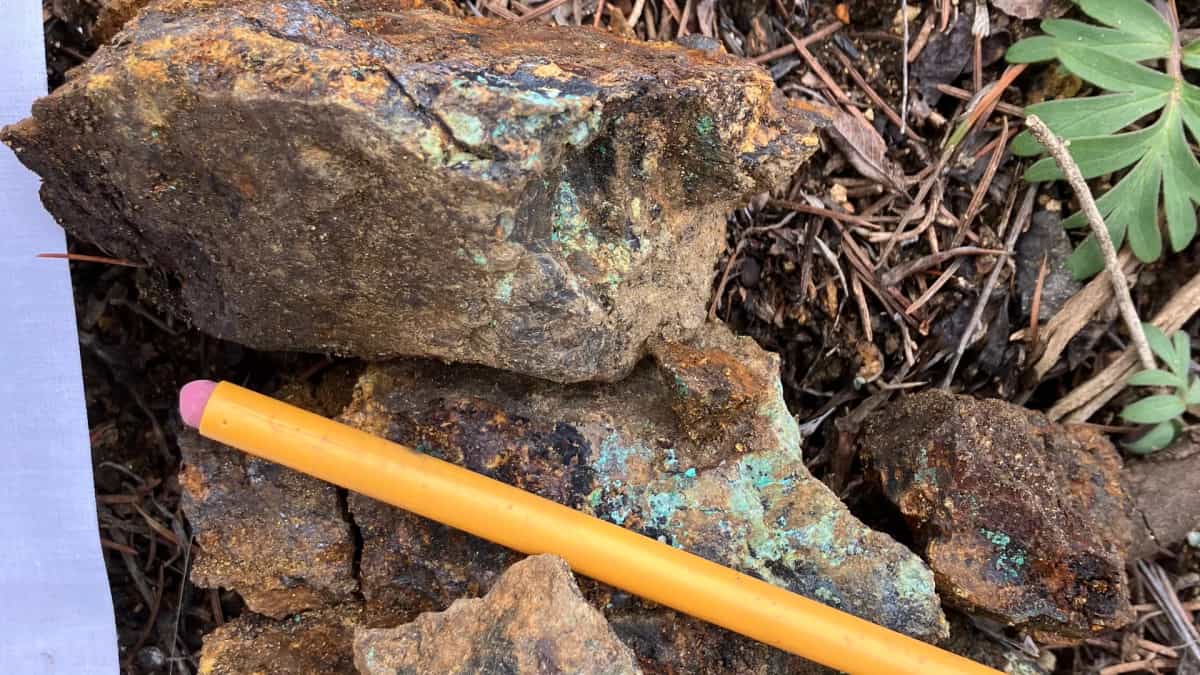
Green & Gold starts Copper Hills drilling as vein continuity remains unproven
The RC-first campaign is scheduled to move to Elizabeth Bluffs, but Queensland’s wet season could disrupt the sequence.
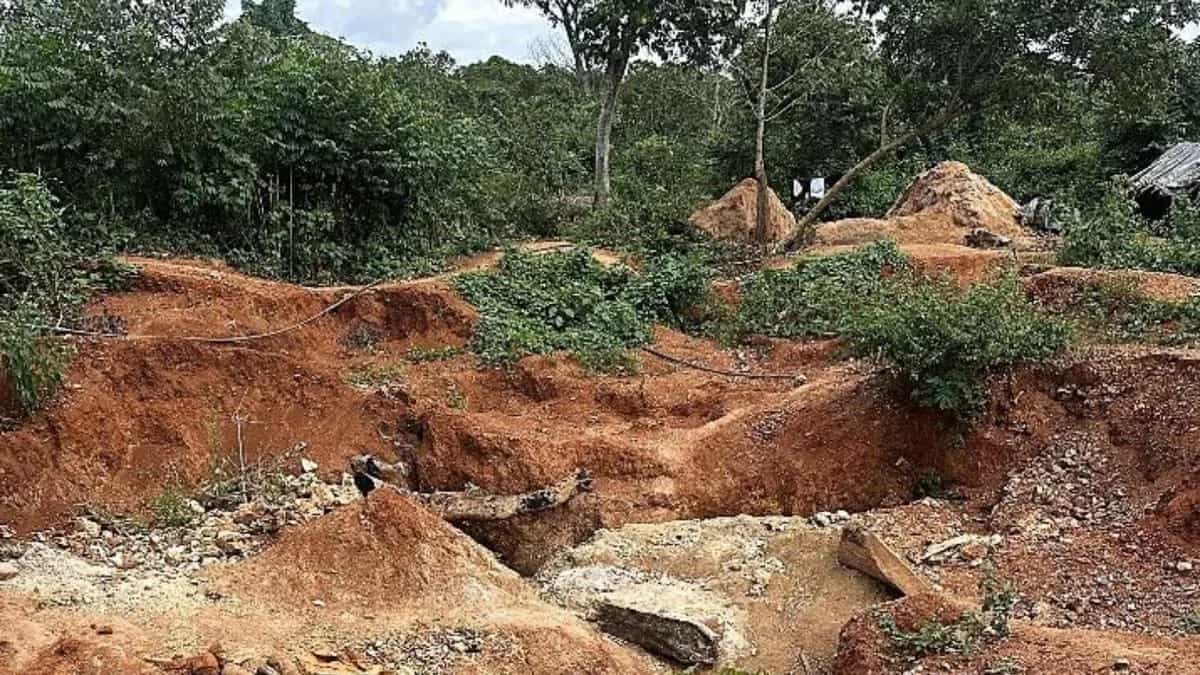
MetalsGrove maps 8 km of gold anomalies in Côte d’Ivoire, with drilling still ahead
Fieldwork resumed after community concerns paused operations, putting the next phase of target testing back on the schedule.