
Power Minerals extends Morro do Ferro rare earths beyond model as recovery remains under study
Morro do Ferro is moving toward its first resource, but the mineral host and the value of magnetic elements still need to translate into a workable flowsheet.
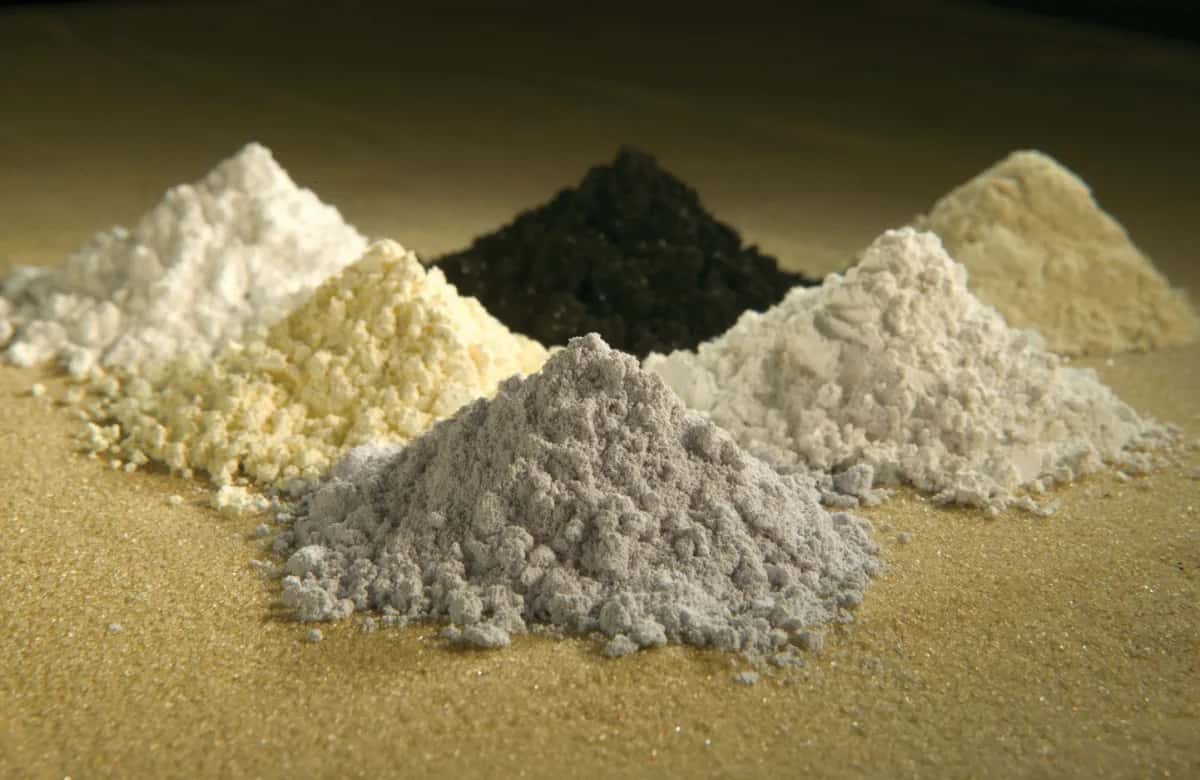
miningmetalnews.com
Why it matters: The new drilling could inform Morro do Ferro’s first resource estimate, but the deposit’s high grades still need to be matched by recoverable rare earths.
54 metres at 5.08% TREO — reported in hole MFSR-059.
34.5 metres at 6.12% TREO — from 2.5 metres, including a higher-grade interval.
16 metres at 6,426 ppm TREO — a deeper zone starting at 104 metres.
9.2–10.7 million tonnes at 7.8–9.2% TREO — the company’s conceptual exploration target, not a mineral resource.
Power Minerals reported a 54-metre intercept grading 5.08% total rare earth oxides (TREO) in diamond hole MFSR-059 at the Morro do Ferro project in Brazil. The hole also cut a deeper mineralised zone outside the significant mineralisation included at that depth in the company’s exploration target model. Metallurgical work to determine how much of the deposit’s valuable magnetic rare earths can be recovered is under way.
The near-surface interval includes 34.5 metres grading 6.12% TREO and 1.01% magnetic rare earth oxides (MREO) from 2.5 metres. Within it, the hole intersected 4 metres at 12.62% TREO and 1.95% MREO from 15 metres. Power drilled MFSR-059 on a new line 50 metres southeast of its established Base section. The company said the result helps define mineralisation to the southwest and will contribute to its first resource estimate.
Deeper zone sits outside the model
At depth, MFSR-059 intersected 16 metres at 6,426 parts per million TREO from 104 metres, including 2 metres at 1.13% TREO from 112 metres. Power said the interval lies beyond the significant mineralisation incorporated at that depth in its exploration target model. Whether it will be included in resource-definition work remains to be assessed.
The target covers a conceptual range of 9.2 million to 10.7 million tonnes grading 7.8% to 9.2% TREO. It is an exploration guide, not a mineral resource. Power is continuing drilling in different parts of the deposit and is targeting a first resource estimate towards the end of 2026. On September 29, 2026, the company reported that hole MFSR-056 intersected 39 metres at 4.42% TREO from 80 metres.
Bastnäsite dominates identified mineral mass
Mineralogical analyses by GeoLabs of 70 samples validated against assays attributed about 87.5% of the identified rare earth mineral mass to bastnäsite. Cerianite accounted for about 6.4% and monazite 6.1%; bastnäsite was present in every validated sample.
Bastnäsite is also the principal rare earth host at operations including Mountain Pass in the United States and Bayan Obo in China. At Morro do Ferro, its prevalence gives Power a basis for developing a processing approach, but does not establish how much of the target elements can be extracted. The company is also assessing whether cerium-rich cerianite could be physically separated before leaching.
Initial laboratory-scale metallurgical tests have begun, with the first study expected in the December quarter of 2026. Power is drilling PQ-diameter core to obtain larger samples for more extensive testing in Brazil. The work is intended to assess recovery of magnetic rare earths including neodymium, praseodymium, dysprosium and terbium.
Yttrium also occurs in three holes
The company also reported yttrium oxide (Y₂O₃) intersections in three holes: 45 metres at 2,013 parts per million from 9 metres in MFSR-055; 6.45 metres at 5,047 parts per million from 69.55 metres in MFSR-053; and 8 metres at 1,551 parts per million from 13 metres in MFSR-059. Yttrium is used in advanced ceramics, phosphors, optical materials and lasers.
The results add yttrium to the project’s reported mineralisation and include near-surface, high-grade material in what the company describes as generally soft ground. The next key technical milestone is the initial metallurgical study, expected in the December quarter of 2026.
More in Discoveries
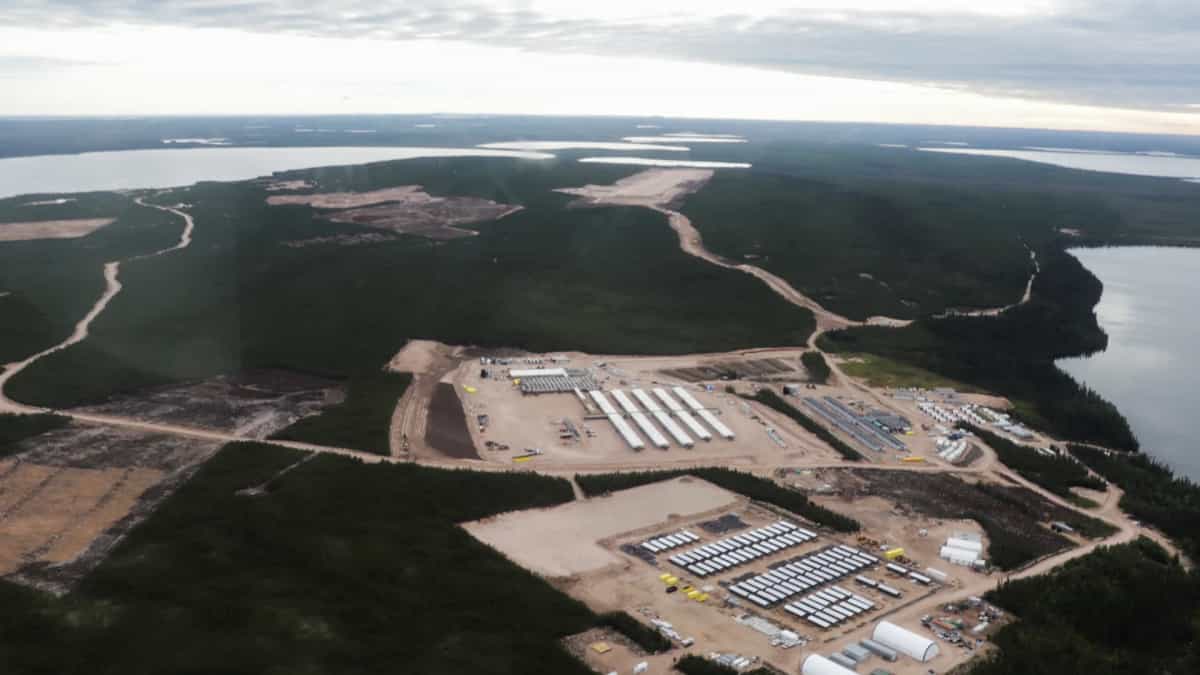
NexGen extends PCE uranium zone near Arrow, but assay grades remain unreported
The PCE discovery lies 3.5 kilometres from Arrow, the deposit at the centre of NexGen’s Rook I project.
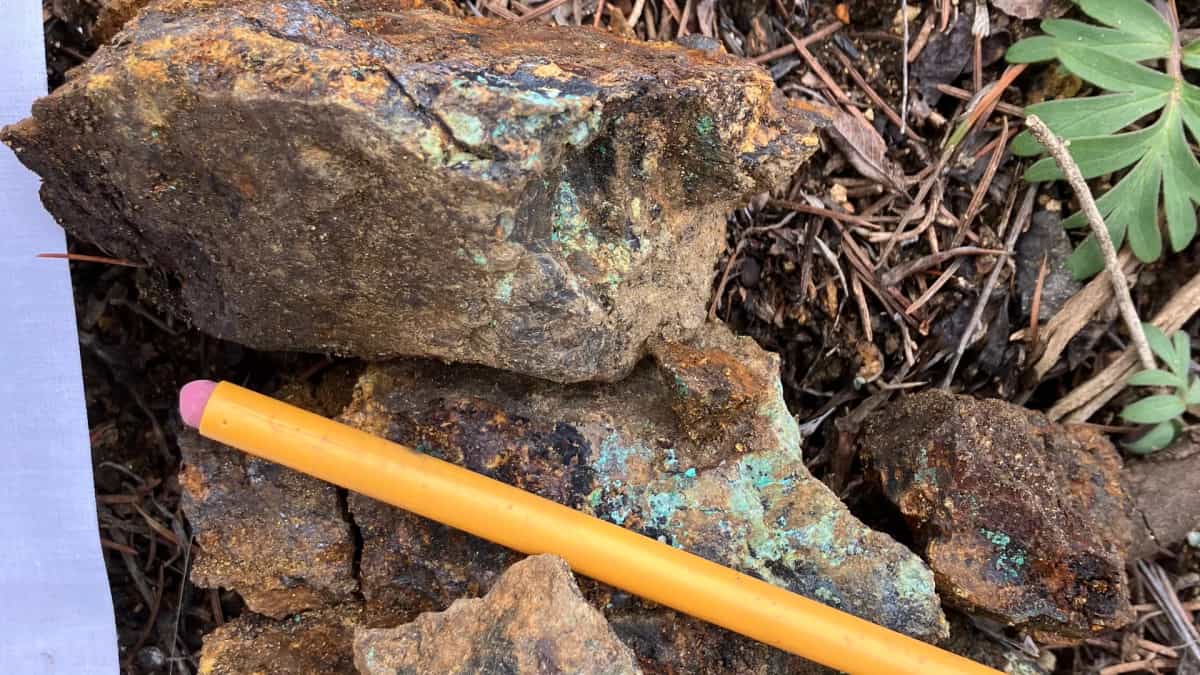
Green & Gold starts Copper Hills drilling as vein continuity remains unproven
The RC-first campaign is scheduled to move to Elizabeth Bluffs, but Queensland’s wet season could disrupt the sequence.
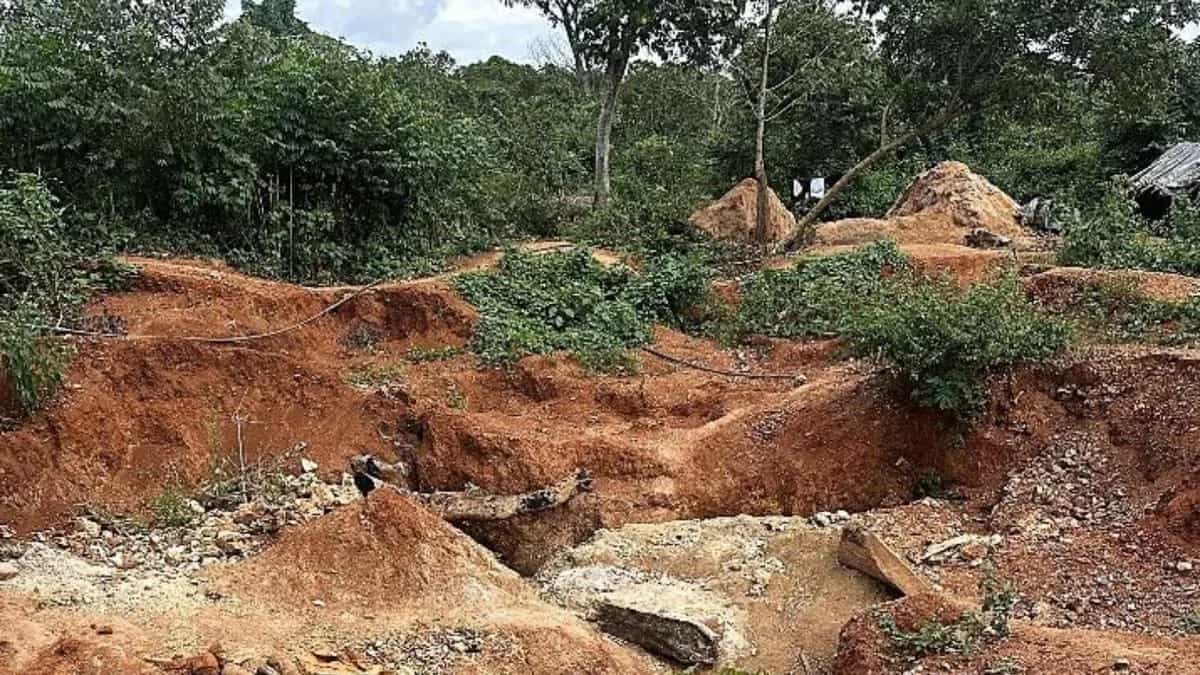
MetalsGrove maps 8 km of gold anomalies in Côte d’Ivoire, with drilling still ahead
Fieldwork resumed after community concerns paused operations, putting the next phase of target testing back on the schedule.