
NorthWest Copper hits 81 metres at Kwanika, but pit potential hinges on continuity
North Pit Extension lies near the proposed open-pit area, but its place in a future mine plan depends on how consistently mineralisation continues.
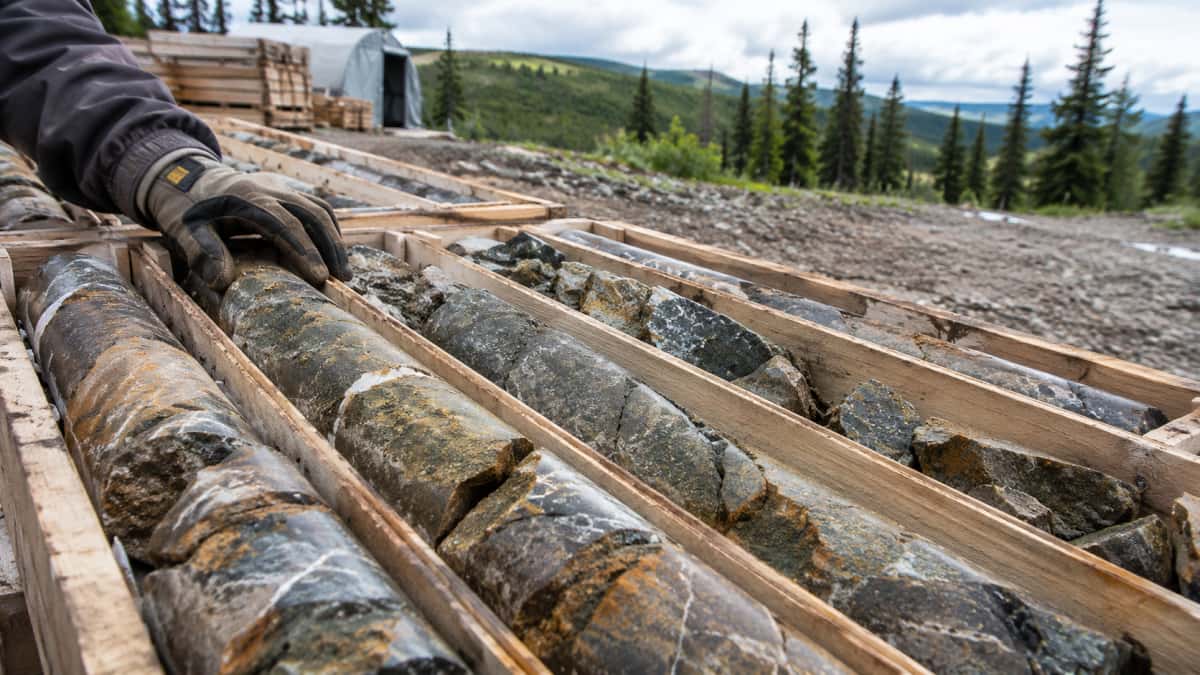
Why it matters: Whether North Pit Extension mineralisation is continuous enough to enter a future open-pit plan will shape the significance of these new intercepts.
81 metres at 0.59% CuEq — K-26-311, from 92 metres downhole
73.4 metres — estimated true width of the 81-metre intercept
12,291 metres in 43 holes — NorthWest Copper’s 2026 drilling campaign
14 holes — campaign results still to be incorporated into the published tally
NorthWest Copper reported new copper-gold drilling results from the North Pit Extension at its Kwanika project in central British Columbia, including 81 metres grading 0.59% copper equivalent (CuEq) in hole K-26-311. The interval starts at 92 metres downhole and contains 0.28% copper and 0.28 grams of gold per tonne. The company estimates its true width at approximately 73.4 metres.
The results from five holes are intended to test mineralisation near surface and assess whether it could extend areas considered for a future open pit. They add geological information but do not, by themselves, establish an increase in resources or reserves.
Five holes test North Pit Extension
K-26-311 also returned 24.7 metres grading 0.89% CuEq from 54 metres, with 0.28% copper and 0.55 grams of gold per tonne. In hole K-26-338, the company reported 42.8 metres at 0.76% CuEq from 191 metres, including a separate six-metre interval at 5.32% CuEq from 246 metres.
That higher-grade interval contains 3.29% copper and 1.73 grams of gold per tonne. Within it, a 0.7-metre section graded 13.10% copper and 7.62 grams of gold per tonne, equivalent to 21.98% CuEq. The narrow width means its importance will depend on geological continuity and the volume of mineralisation around it. Hole K-26-313 returned 28 metres at 0.40% CuEq from 97 metres.
The company says the holes were spaced about 50 metres apart to improve its understanding of grade, thickness and the distribution of mineralisation. The reported downhole length is not the same as true width; for K-26-311, the estimated true width is about 73.4 metres.
Existing resources set the context
Kwanika is part of the approximately 35,700-hectare Kwanika-Stardust project, about 150 kilometres north of Fort St. James. NorthWest Copper owns 100% of the property.
A February 2026 resource estimate for the open-pit component of Kwanika Central lists 8.99 million tonnes of Indicated resources grading 0.55% copper and 0.51 grams of gold per tonne, plus 9.18 million tonnes of Inferred resources grading 0.33% copper and 0.35 grams of gold per tonne. These estimates provide context for the new drilling, but do not necessarily include the full 2026 campaign. Mineral resources are not mineral reserves and do not establish economic viability.
CuEq expresses the relative value of metals as a comparable grade; it is not the physical copper content of the rock. The company says its calculation reflects copper, gold and other recoverable metals. Actual project economics would also depend on factors including metallurgical recoveries, mining and processing costs, and concentrate terms.
More campaign results remain pending
NorthWest Copper drilled 12,291 metres across 43 holes during 2026. With the five holes in this update, results from 29 holes have been published, leaving 14 holes still to be incorporated into the technical assessment. The company is also updating its preliminary economic assessment of Kwanika-Stardust, including reviews of mine sequencing and processing options.
The next technical step is to integrate the drilling into an updated geological model and assess whether the mineralisation forms sufficiently continuous zones for resource growth or future mine planning. The project would also require further evaluation of infrastructure, permitting and environmental requirements before any development decision.
More in Discoveries
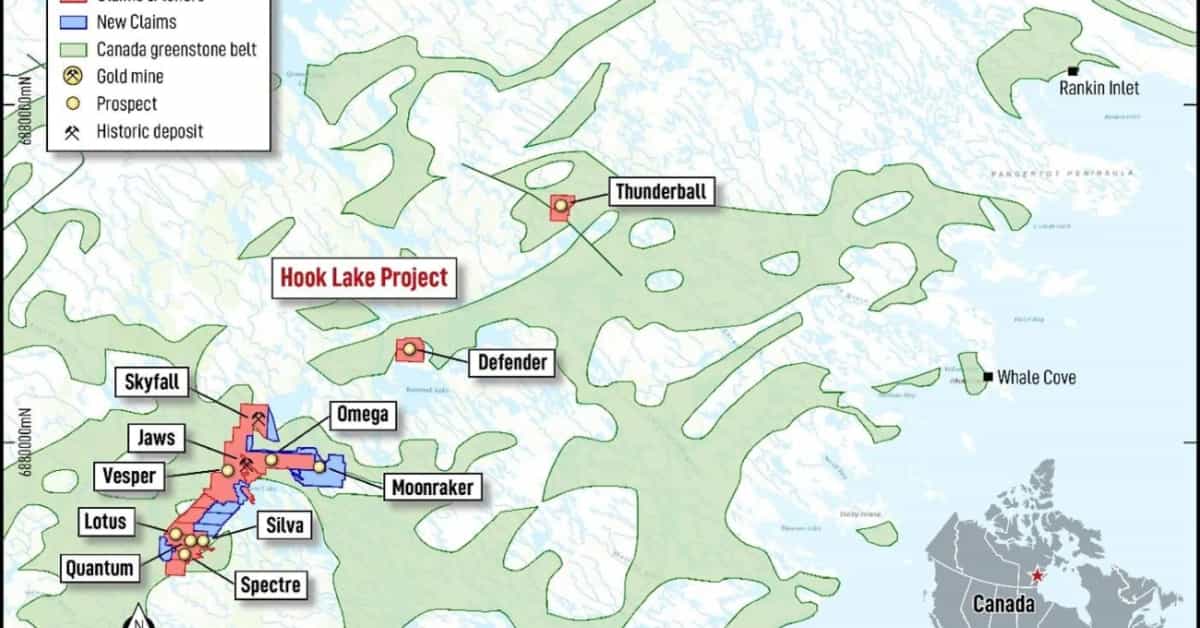
USFM targets 85% of Nunavut’s Hook Lake, but drilling continuity is unproven
The first campaign since 1988 tested selected stretches of two historic targets, while the proposed earn-in still needs a definitive agreement.
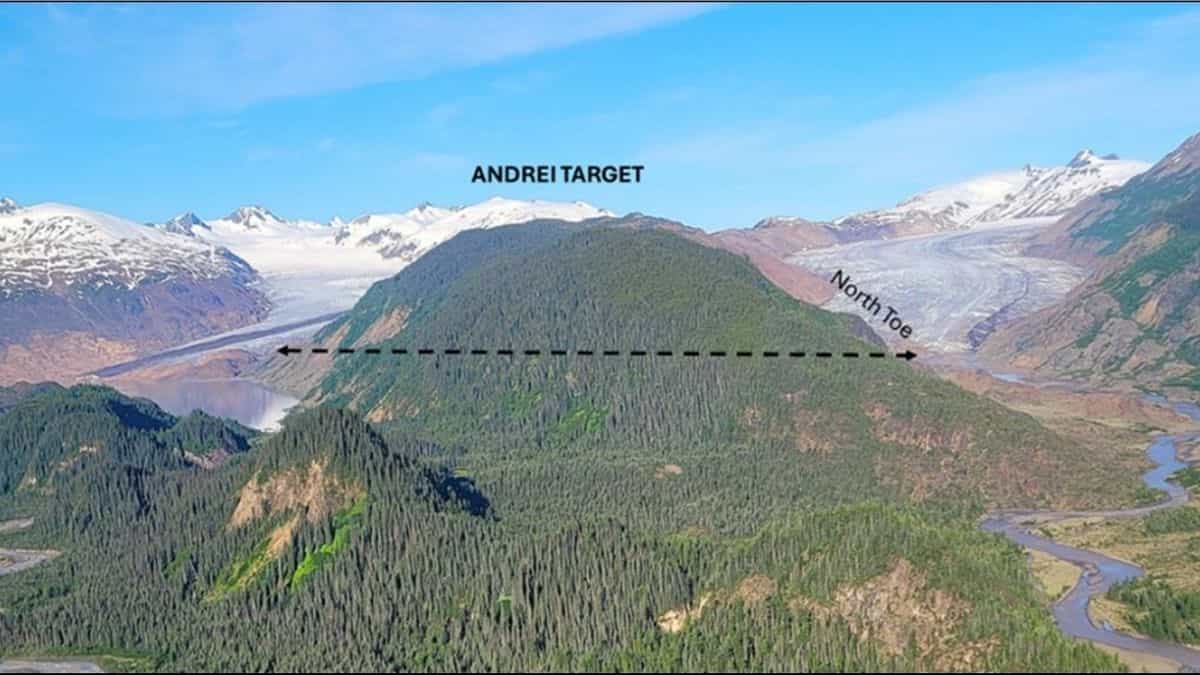
Total Metals completes four Purdex holes, but permit expiry leaves assays pending
Historical Purdex drilling ranged from high-grade gold intervals to lower-grade hits, leaving the new fan-pattern holes to test continuity.
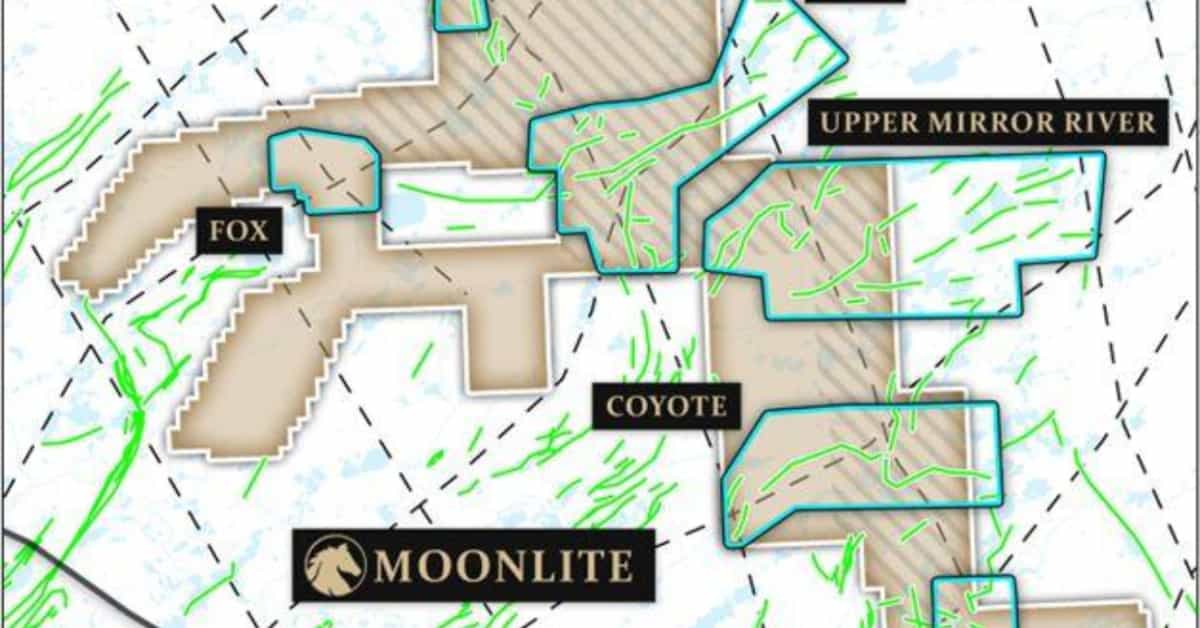
Stallion starts Moonlite surveys as Coyote drilling advances without new target data
A downhole survey on ML26-009 and an airborne magnetic program are intended to refine where phase II drilling goes next.