
Marmota begins 14,000m Campfire Bore campaign as northern ground remains untested
The southern zone returned a result of 107 g/t gold, but the new drilling must establish whether high grades extend beyond it.
thewest.com.au
Why it matters: Results from the untested central and northern zones could help determine whether Campfire Bore contributes to a broader resource and production plan at Gawler Gold.
14,000 metres — planned across about 150 reverse-circulation holes
93 metres — average planned hole length
107 g/t gold — best result reported from the first Campfire Bore campaign
90% — Marmota’s interest in the Golden Moon joint venture
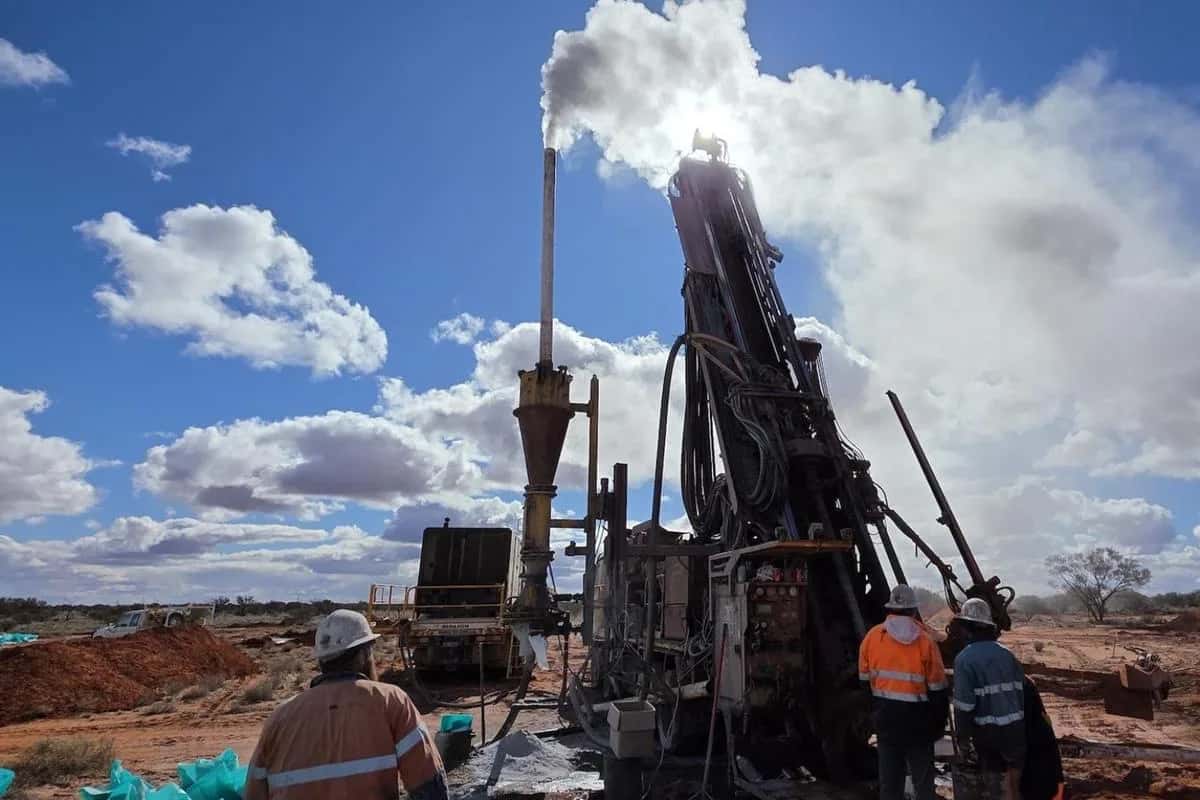
Marmota Minerals has started a second drilling campaign at the Campfire Bore gold discovery in South Australia, planning about 14,000 metres across nearly 150 reverse-circulation holes. The program will focus mainly on the central zone and include the company’s first drilling in Campfire Bore’s central and northern areas, while testing whether high grades reported in the south continue along the discovery.
Campfire Bore is part of the Golden Moon joint venture, in which Marmota holds a 90% interest. The discovery lies in the Gawler Craton, 3.6 kilometres east of Greenewood/Mainwood, other high-grade areas within the Gawler Gold project. Marmota said the campaign is intended to add geological information for a project scoping study and help support an indicated resource.
First campaign focused on the southern zone
Marmota’s initial Campfire Bore campaign comprised 86 reverse-circulation holes for 11,690 metres, concentrated in the south. The company reported 13 intersections grading above 10 g/t gold, including five above 20 g/t. The best reported result was 107 g/t from 57 metres below surface.
The reported material does not specify the width of that intersection. Without a stated interval width, the grade alone does not show the extent of the mineralised interval or establish how it may translate into a mineable zone.
The new program is designed to test that uncertainty across the deposit. Planned holes will average 93 metres, with most work in the central area. Drilling in the central and northern zones will provide the first company tests of those areas, while follow-up work in the south will target indications from the first campaign. Marmota has not provided a detailed hole-by-hole schedule or a timetable for Campfire Bore results.
The company also said the drilling will gather information for production optimisation, including assessment of where a processing plant could best serve adjacent deposits. The scoping work is expected to consider Campfire Bore alongside other parts of Gawler Gold; the new drilling is intended to strengthen the geological basis for that assessment.
Gawler Gold drilling provides wider project context
The Campfire Bore campaign follows the completion in October of 337 holes totalling 32,085 metres at Greenewood/Mainwood. Marmota said that work doubled the extent of high-grade mineralisation at Greenewood, extended the deposit to the north and south, and increased its strike length to more than 2.4 kilometres. The company also reported potential at depth.
Marmota groups Greenewood, Mainwood, Campfire Bore and Aurora Tank as an arc of adjacent gold deposits. Executive chairman Colin Rose said results from these areas would inform completion of the scoping study and production plans. The company said it aimed to complete as many Campfire Bore holes as possible before the Christmas break; it has not specified a completion date or a results schedule.
More in Discoveries
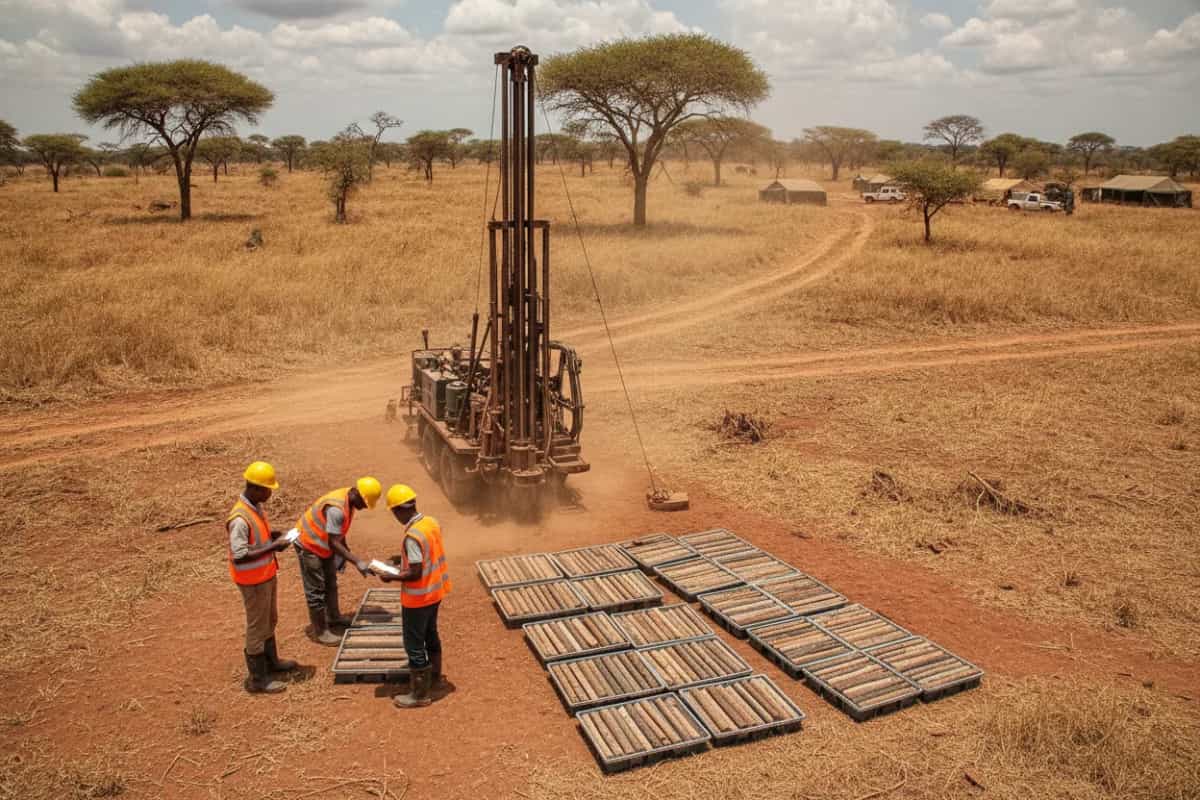
Many Peaks extends Ferké gold beyond Ouarigué, with assays still pending
A newly approved southern concession could widen the target area, but fieldwork there remains subject to grant formalities.
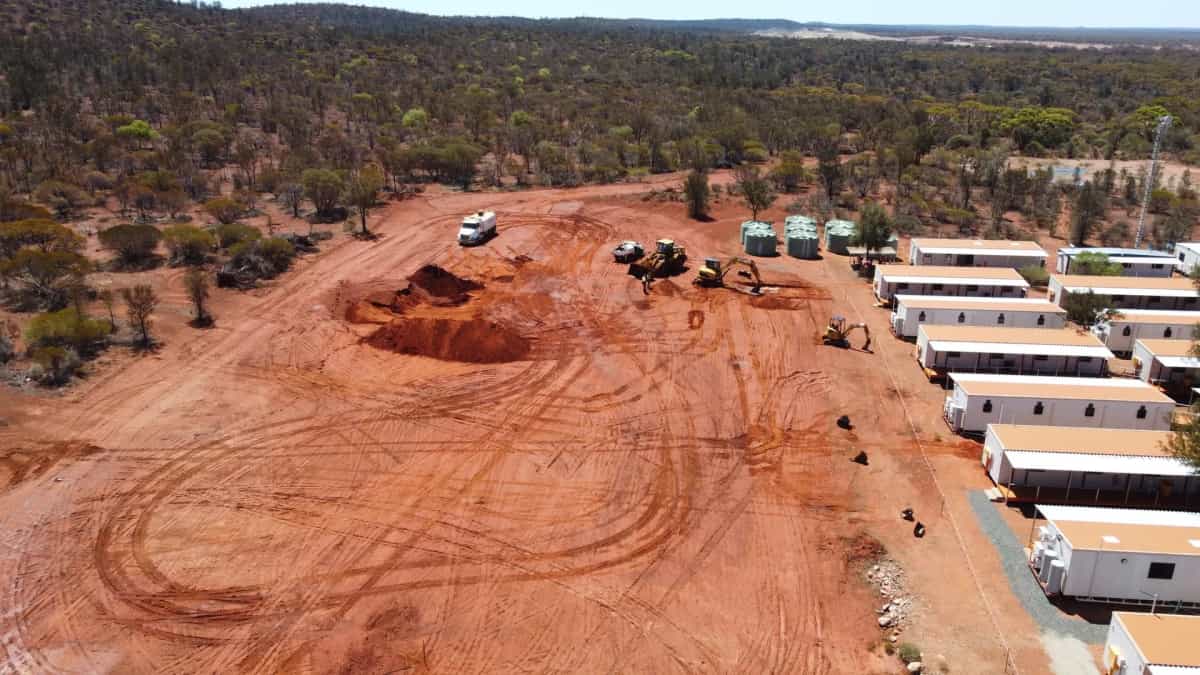
Ora Banda tests Davyhurst vein continuity with high-grade gold hits beyond workings
At Foxtrot, a narrow intercept lies far down-dip from Young Australian, testing whether the interpreted vein system extends that far.
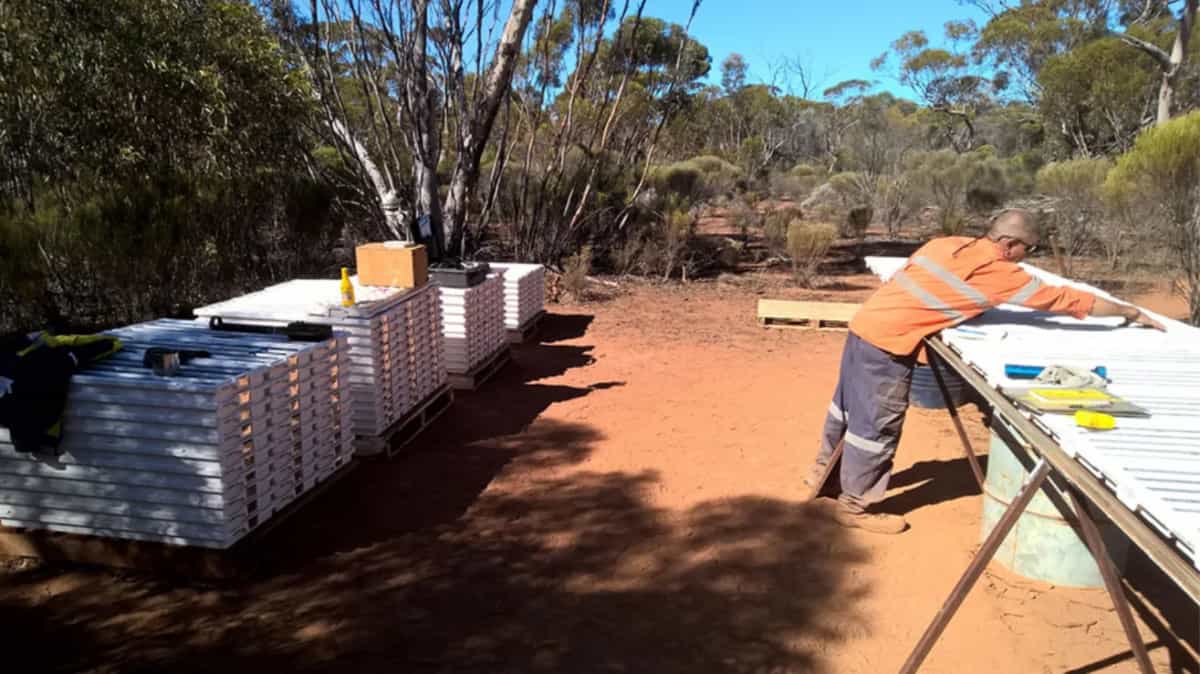
BOA launches 19,500m Neds Creek drilling as copper continuity remains untested
Earlier drilling traced copper over more than 400m of strike at Ricci Lee, but the interpreted high-grade zone still needs testing at depth.